Understanding Air Tanks and How They Work
Whether you’re using a small portable compressor or a large industrial system, knowing how to store and maintain compressed air is key to safety, efficiency, and longevity. One of the most frequently asked questions by homeowners, mechanics, and industrial operators alike is: Can you leave air in the air tank?
In this post, we’ll explore how air tanks work, whether it’s safe to leave air in them, pros and cons of doing so, and the best maintenance practices. Let’s break it all down to ensure your equipment—and your operations—stay in peak condition.
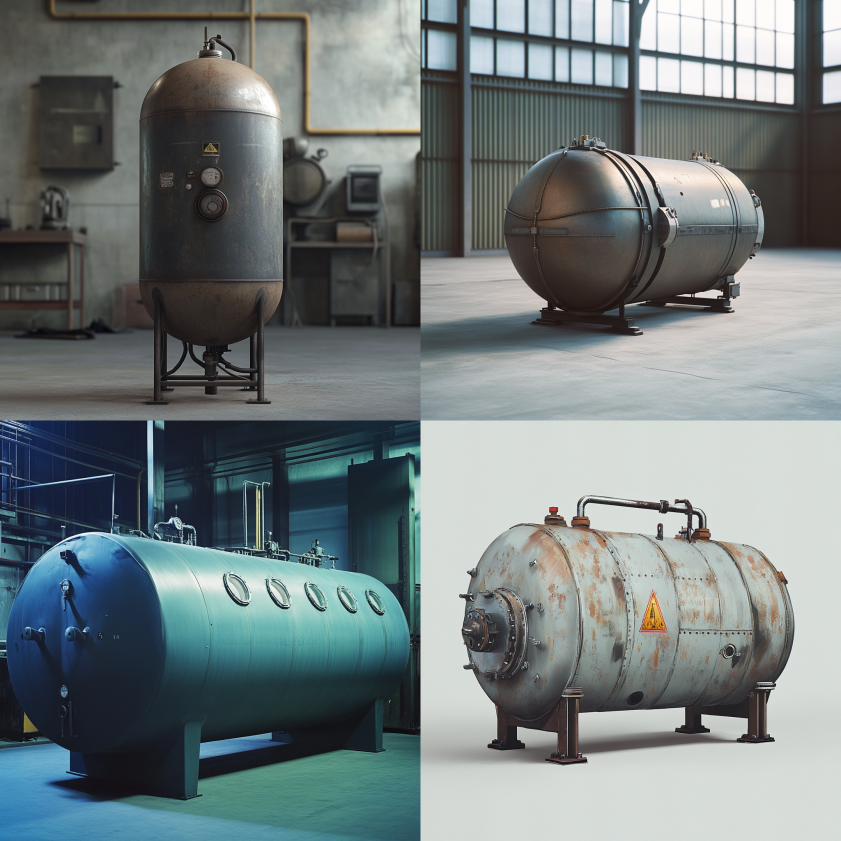
An air tank, or compressed air receiver, is a storage container that holds pressurized air generated by an air compressor. These tanks serve as a buffer between the air compressor and the application, reducing compressor cycling and improving efficiency.
Here’s a quick rundown of how it works:
- The air compressor draws in ambient air.
- It compresses this air using mechanical force (typically via a piston or rotary screw mechanism).
- The pressurized air is stored in the tank until needed.
This pressurized air powers tools, machinery, and systems ranging from nail guns to large-scale industrial operations. The air tank plays a critical role by storing this pressure for immediate or later use. But once the job is done, what happens to the leftover air?
Is It Safe to Leave Air in an Air Tank?
Short answer: it depends. Leaving air in the tank after use isn’t inherently dangerous, but it can lead to safety and maintenance issues if done without consideration.
The Safety Aspect
Air tanks are designed to withstand significant pressure. They come with pressure relief valves, gauges, and drain valves that help regulate internal conditions. As long as these systems are functional, leaving air in the tank won’t cause an explosion under normal circumstances.
However, over-pressurization due to a faulty valve or defective pressure switch can create hazardous conditions. Regular maintenance and inspections are crucial to prevent such risks.
The Moisture Problem
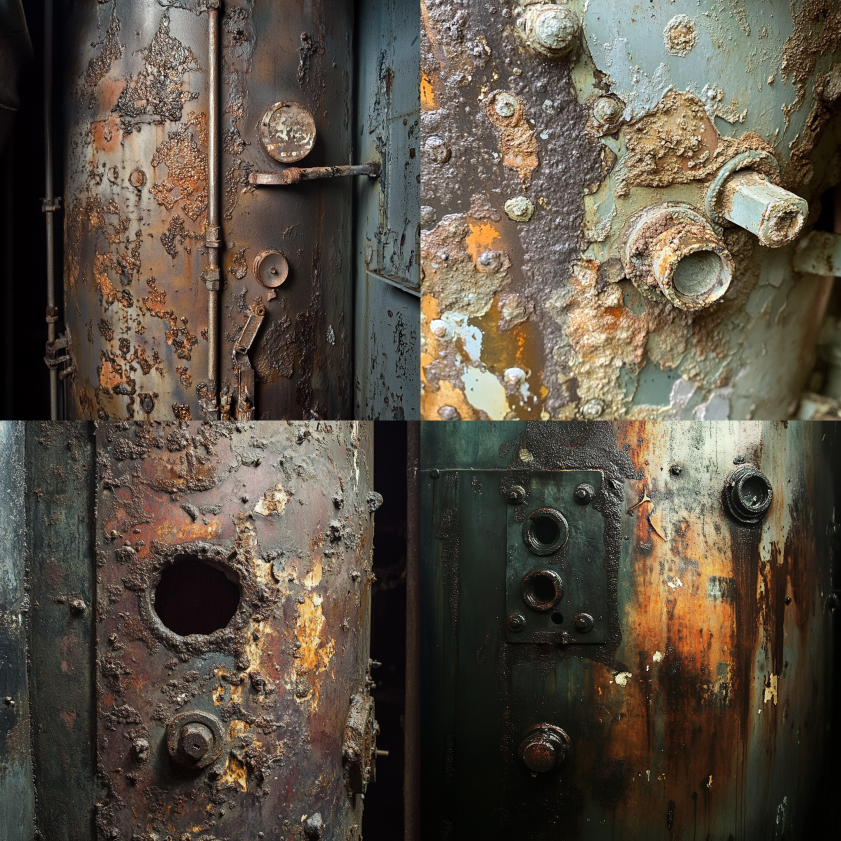
One of the biggest reasons not to leave air in your tank is moisture accumulation. When air is compressed, it cools and releases moisture. This moisture settles at the bottom of the tank. Over time, it:
- Leads to internal rust and corrosion
- Weakens the tank walls
- Compromises the structural integrity
If you frequently leave air (and its moisture content) inside the tank without draining, the lifespan of the tank will dramatically decrease.
According to the Compressed Air and Gas Institute (CAGI), proper tank drainage is one of the most important maintenance tasks for any compressed air system.
Pros and Cons of Leaving Air in the Tank
So, is it okay to walk away after using your compressor and leave the air in? Let’s examine the pros and cons.
Benefits
- Immediate Use
Having pressurized air ready to go can save time, especially in busy workshops or for jobsite tools that require frequent use throughout the day.
- Reduced Compressor Start/Stop Cycles
Frequent cycling puts stress on the motor. Leaving air in the tank can reduce the number of start-stop cycles, potentially prolonging motor life.
- Improved Energy Efficiency in the Short Term
If you’re using your compressor multiple times a day, repressurizing each time can waste energy.
Drawbacks
- Corrosion Risk
As discussed earlier, moisture inside the tank promotes rust. This can weaken the structure and lead to pinholes or cracks over time.
- Energy Loss
Air tanks can slowly leak air through fittings or valves, leading to energy loss. A constantly leaking system forces your compressor to work harder, consuming more power.
- Potential Safety Hazards
Although rare, long-term air storage can lead to valve failure or pressure buildup, especially if you’re not regularly inspecting your system.
- Reduced Lifespan of Components
Condensation doesn’t just harm the tank; it can damage hoses, fittings, and tools connected to the compressor system.
Best Practices for Air Tank Maintenance
To enjoy the benefits of compressed air without compromising safety or performance, follow these best practices:
Drain Your Tank Regularly
Use the manual drain valve at the bottom of the tank to release water. Some advanced systems have automatic drain valves, which are highly recommended for busy shops or industrial settings.
Red River offers insights and solutions for industrial air system maintenance. Learn more at Red River.
Inspect Pressure Relief Valves
Your pressure relief valve should release pressure when levels rise beyond safe limits. Test it periodically to ensure it’s functional.
Store in a Dry Environment
Where you store your air tank matters. Keep it in a cool, dry location away from humidity and direct sunlight. A controlled environment reduces condensation and rust formation.
Use Air Dryers and Filters
Install inline air dryers and moisture separators to reduce the amount of water vapor entering your tank. These additions are especially valuable in humid climates or for sensitive applications.
Follow Manufacturer Guidelines
Every air compressor system has specific operational guidelines. Always refer to your equipment manual for the safest storage and usage instructions.
Should You Leave Air in the Air Tank or Not?
At the end of the day, can you leave air in air tank? Technically, yes—but should you? That depends on your usage habits, environment, and maintenance discipline.
For short-term storage, especially in a dry location, it may be fine to leave air in your tank for convenience. But for long-term health and safety, draining the tank after each use is a wise habit to develop.
Don’t take shortcuts with equipment safety. Moisture is the hidden enemy of air tanks—avoid rust, protect your investment, and ensure consistent performance by maintaining your system properly.
Need a reliable partner?
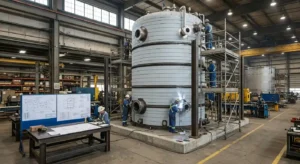
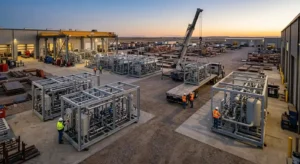
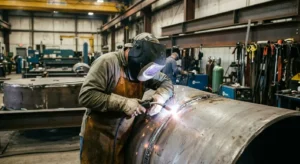
Red River specializes in the design and manufacturing of pressure vessels. We also fabricate related items such as prefabricated spools and skid packages.
Reach out to us today and experience the Red River difference. Where American-made products and American Values come together, we care more.
Frequently Asked Questions
1. Can air tanks explode if you leave air in them?
Air tanks rarely explode when manufactured and maintained properly. However, excessive pressure or poor maintenance can lead to failure. Always test valves and drain moisture to reduce risks.
2. How often should I drain my air tank?
Ideally, after every use or at the end of each day. If your compressor runs continuously, daily draining or installing an automatic drain is essential.
3. What happens if I don’t drain the tank?
Moisture will accumulate, causing internal rust. Over time, this corrosion can weaken the tank’s structure and lead to costly repairs or replacement.
4. Does leaving air in the tank waste energy?
Yes. Over time, air leaks through fittings and valves, which forces your compressor to run more often. This results in energy loss and increased utility costs.
5. Can I leave air in my portable tank overnight?
It’s generally safe to leave air in your tank overnight if stored in a dry, cool place. However, you should still drain it by the next day to avoid condensation buildup.
6. Do all air tanks come with automatic drains?
No. Many basic models feature manual drain valves. If you frequently forget to drain your tank, consider upgrading to a model with an automatic moisture drain.
7. How do I know if my air tank has internal rust?
Signs include discolored water during draining, unusual noises, or reduced tank pressure capacity. Periodic inspection is recommended to catch corrosion early.
8. Is it okay to leave air in the tank during winter?
Only if stored in a temperature-controlled area. Cold environments cause condensation and may freeze water inside, leading to cracks or rust.
Key Takeaways
- Can you leave air in the air tank? Yes, but only for short-term storage in a safe, dry location.
- Moisture buildup is the main risk—drain your tank to prevent rust and damage.
- Regular inspection and maintenance can extend your air tank’s lifespan.
- Leaving air in your tank overnight is okay if done with caution, but not advised long term.
- Use air dryers, automatic drains, and follow the manufacturer’s instructions for best results.