
What Is Pressure Vessel Maintenance? Keep Your Equipment Safe
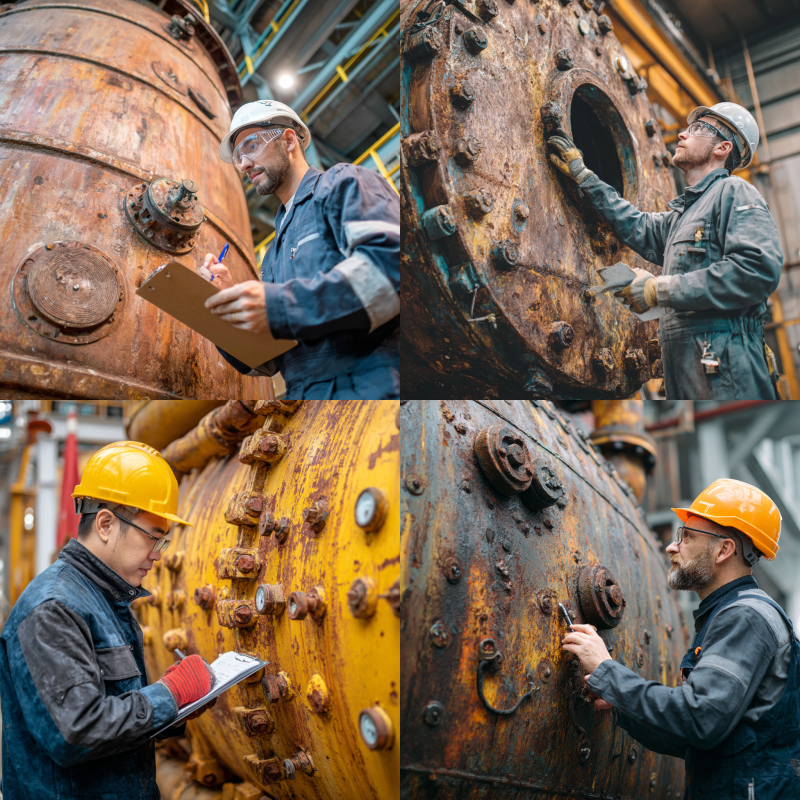
Pressure vessel maintenance involves regular inspections, testing, and repairs to ensure safety and compliance with standards like ASME and API. Inspections are typically required every five years, with Non-Destructive Testing (NDT) and hydrostatic tests used to detect issues like cracks, corrosion, and thinning. Timely repairs or replacements are essential to prevent catastrophic failures, extend vessel […]
Smart Strategies on How to Choose Materials for Pressure Vessels
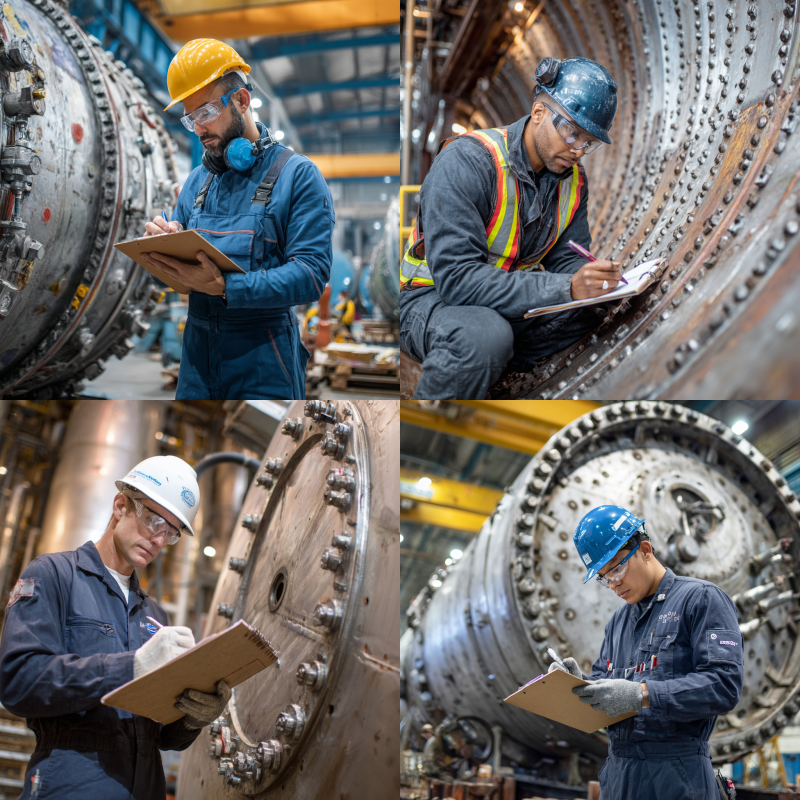
Smart Strategies on How to Choose Materials for Pressure Vessels How to Choose Materials for Pressure Vessels Your choice of materials for a pressure vessel can make or break the safety and longevity of your operation. A study shared by Honiron Manufacturing highlights that poor material selection ranks among the leading causes of vessel failure, […]
What Is the Best Material for Pressure Vessels? Find Out Now
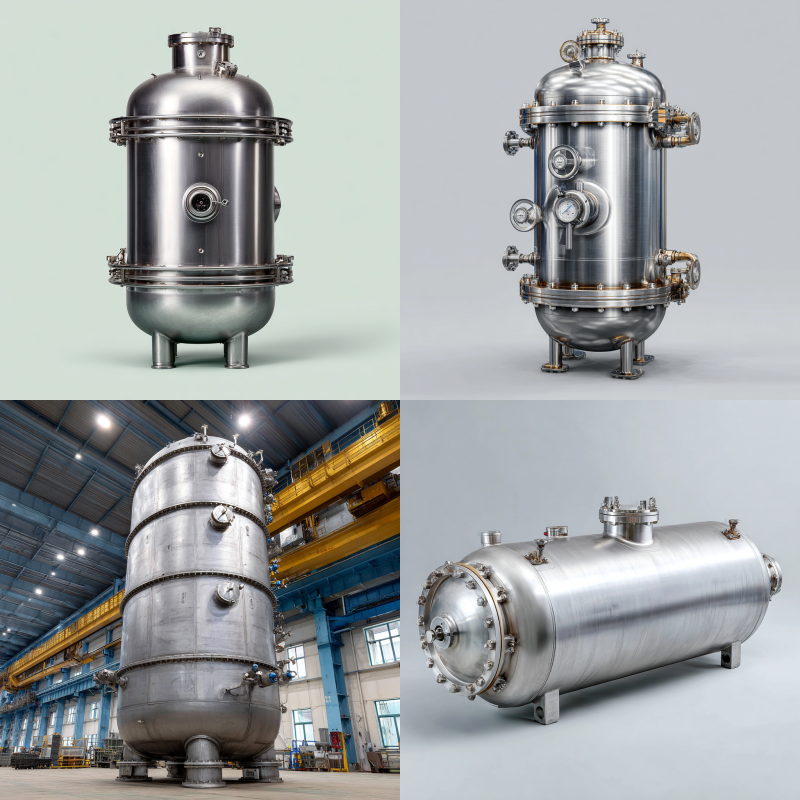
There’s no single “best” pressure-vessel material pick based on pressure/temperature, corrosion exposure, code requirements (e.g., ASME Section VIII), fabrication/weldability, and total lifecycle cost (upfront price + maintenance). Choosing Wisely: What Is the Best Material for Pressure Vessels? Selecting the right material for a pressure vessel can feel like navigating a maze. You want safety, affordability, […]
What Materials Are Used in Pressure Vessels?
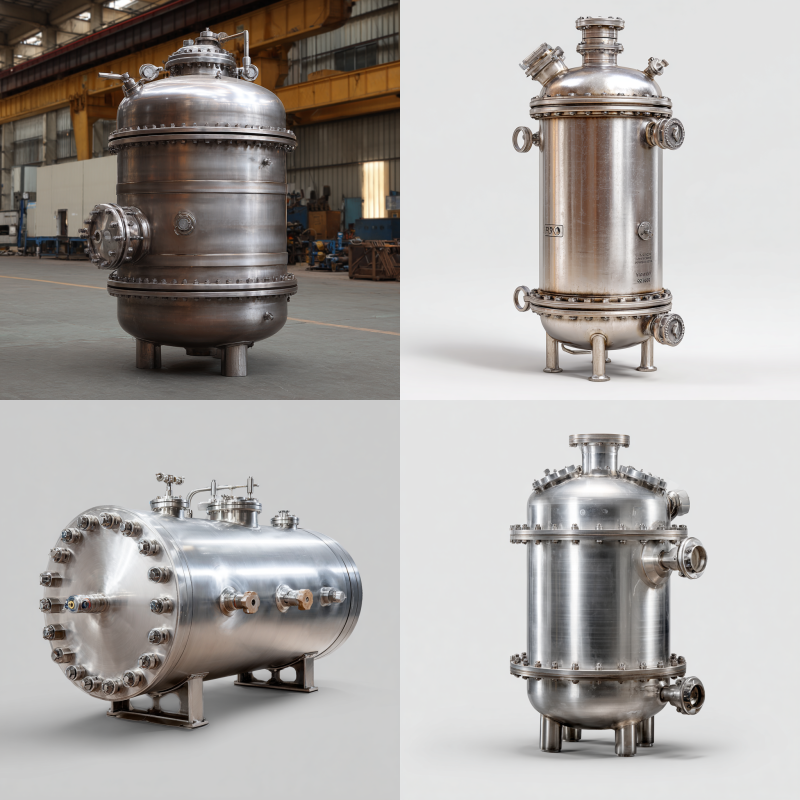
Pressure vessels need materials that won’t crack, corrode, or deform under high pressure and temperature swings. Common choices are titanium, nickel alloys (incl. Hastelloy), stainless steel, carbon steel, and aluminum—each a tradeoff between corrosion resistance, strength at temperature, fabrication complexity, and cost. Understanding What Materials Are Used in Pressure Vessels When you need to handle […]
What Are the Different Types of Pressure Vessel Codes for Compliance?
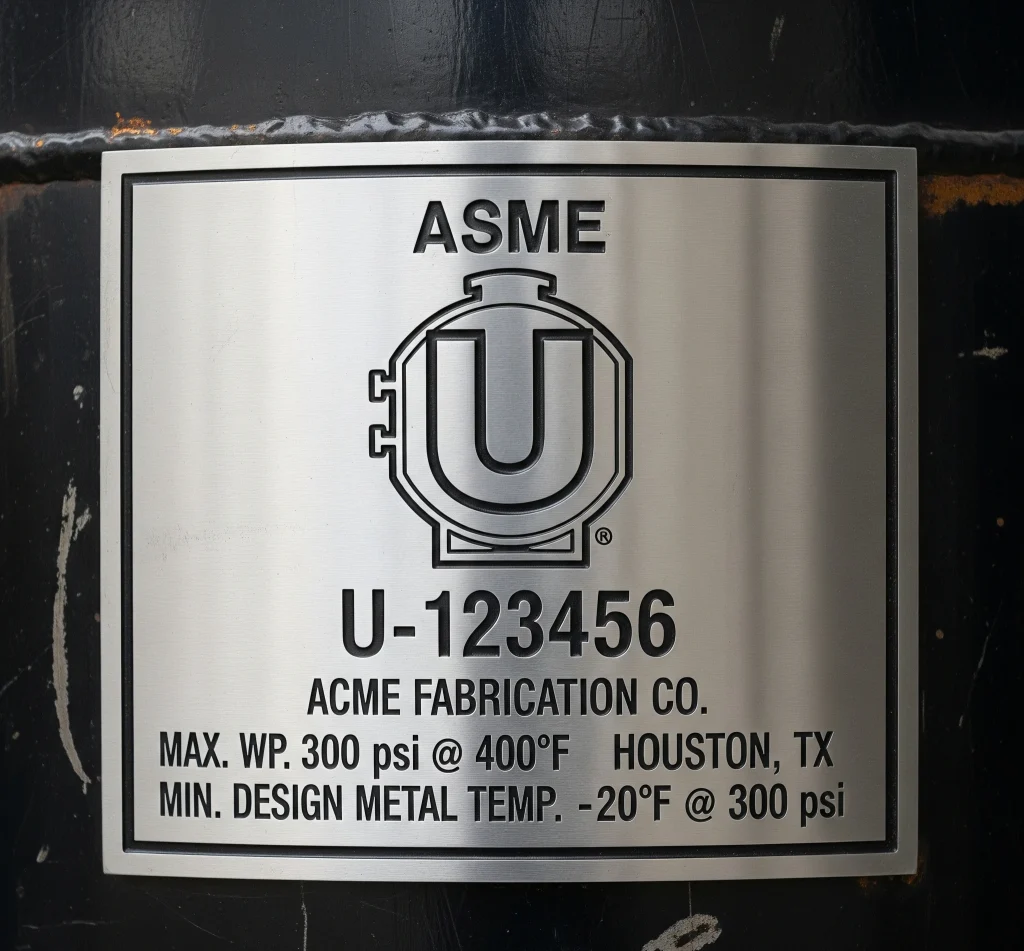
Pressure vessel codes set minimum safety rules so vessels don’t fail. ASME BPVC (Section VIII) is the main U.S. build code; API 510 and NBIC cover in-service inspection and repairs. Other regions use equivalents (e.g., EU PED/EN, CSA B51). Stay compliant by matching the right code and buying a stamped vessel (U/U2). What Are the […]
What Is ASME Pressure Vessel Code? Key Insights for You
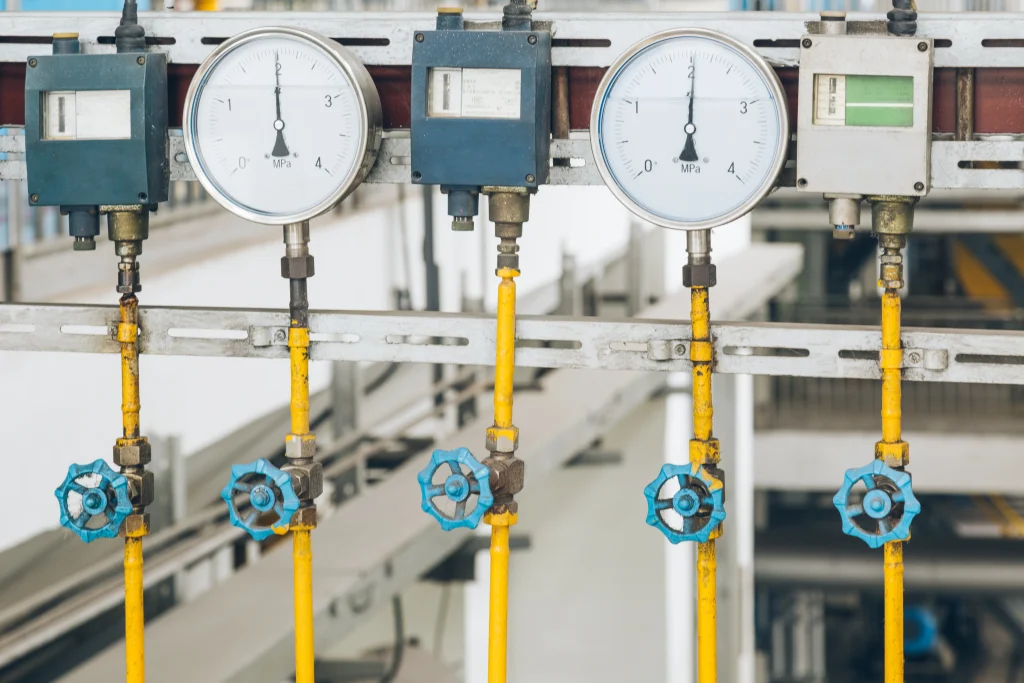
The ASME BPVC is the global safety code for pressure vessels covering design, materials, welding, testing, inspection, and certification—to prevent leaks/ruptures. Most industrial vessels over -15 psi must follow it; Section VIII is the main pressure-vessel section (Div 1/2/3 by pressure level), and the 2025 update aims to clarify rules and improve layout. What is […]
What Are Pressure Vessel Codes? Ensure Quality and Safety
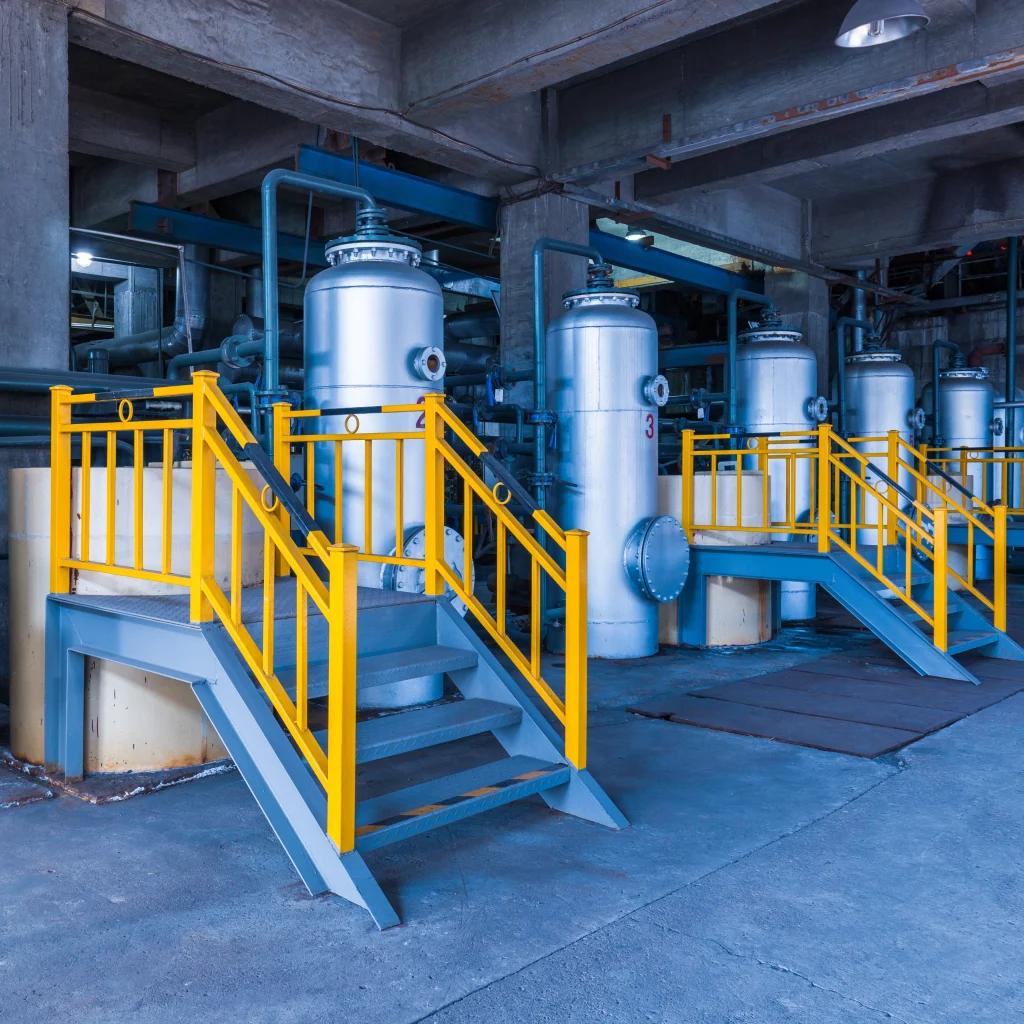
The ASME BPVC is the main safety code for pressure vessels (usually >15 psi), setting rules for design, materials, welding, inspection/testing, and certification to prevent leaks/explosions. Section VIII is the core for most vessels; Section II covers materials. The 2025 update aims to clarify requirements and improve usability. What Are Pressure Vessel Codes and Why […]
Unlocking What Is the Difference Between a Pressure Vessel and a Tank
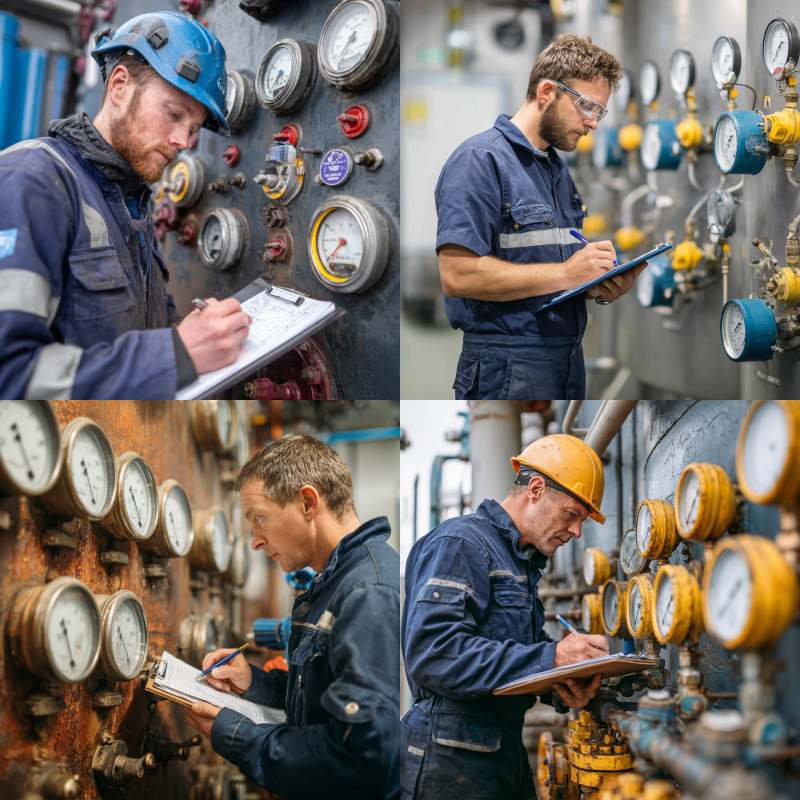
Pressure vessels hold liquids/gases at pressures beyond atmospheric (often >15 PSI), so they need stronger materials, stricter codes (ASME), and more testing.Tanks store at near-atmospheric pressure, so they’re simpler, cheaper, and less regulated. Pressure Vessel vs. Tank: Key Differences Explained for Industrial Buyers Understanding what is the difference between a pressure vessel and a tank […]
Unlocking What Are the Different Types of Pressure Vessels?
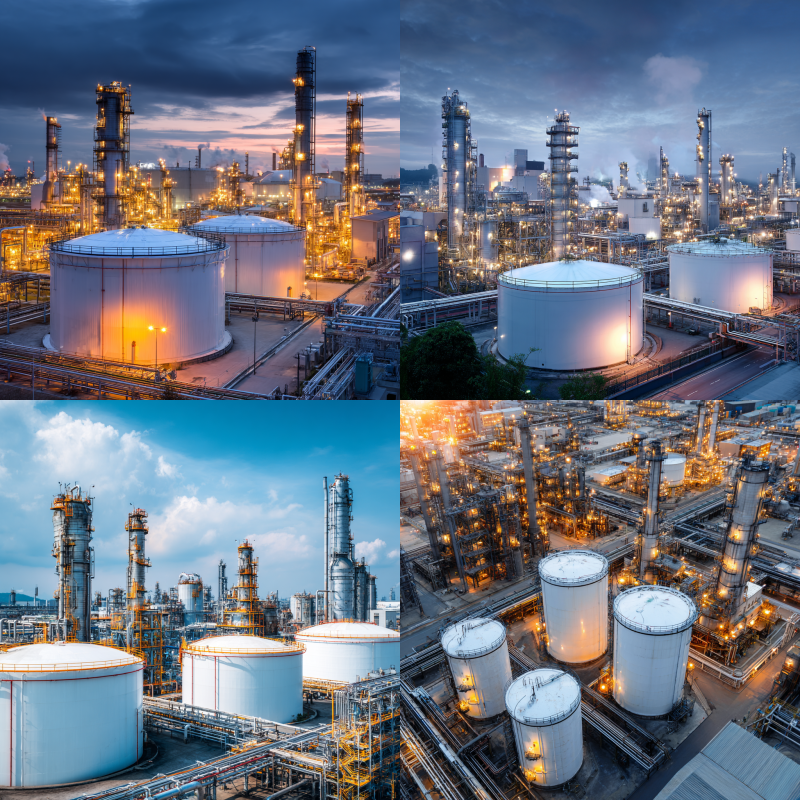
Pressure vessels are code-built containers for gases/liquids under pressure. Main types: storage, heat exchangers, and process/reactor/distillation vessels. They’re typically cylindrical (common/cheap) or spherical (best for very high pressure). Materials range from carbon steel to stainless, nickel alloys, and titanium—chosen based on corrosion, temperature, and cost—while ASME rules require testing, inspection, and documentation. What are the […]
What Is a Pressure Vessel? Essential Insights for You

A pressure vessel is a container built to hold gases or liquids at pressures different from normal atmosphere (typically over 15 psi). It’s widely used in oil & gas, pharma, food/bev, and energy because it enables safe, controlled storage/processing—but it must follow ASME codes and be regularly inspected and maintained to prevent dangerous failures. What […]