
Understanding Pressure Vessels in the Oil and Gas Industry
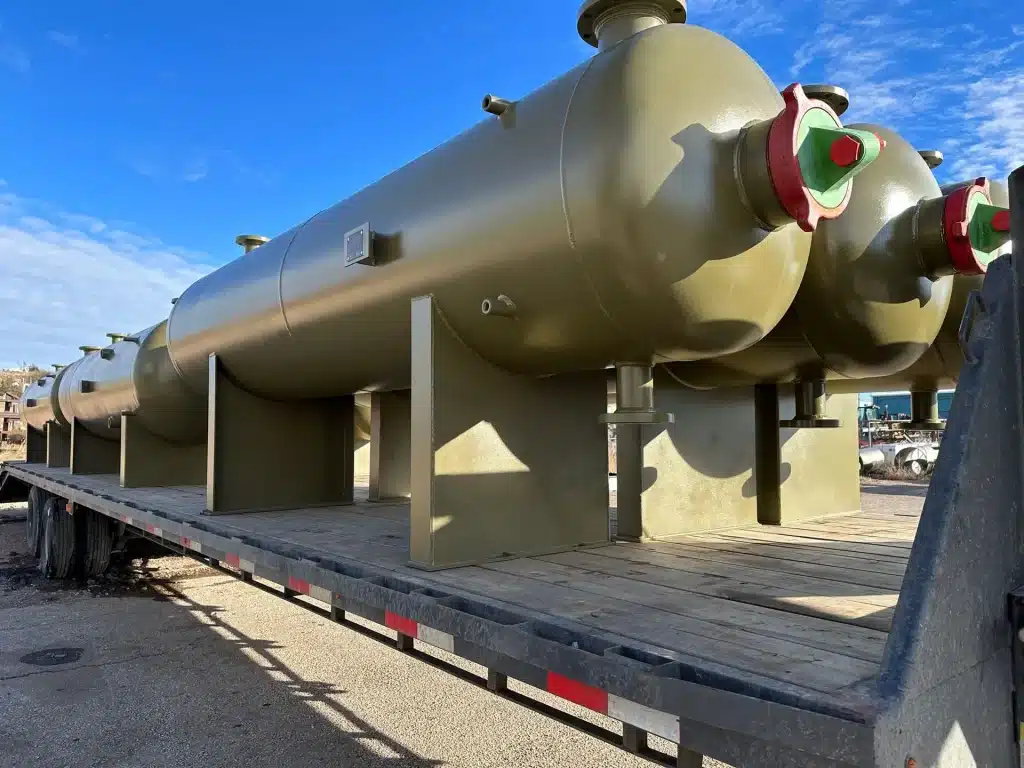
[ez-toc] Pressure vessels are essential for safely storing, processing, and transporting high-pressure gases and liquids across the oil and gas industry. Their design, materials, maintenance, and innovation directly impact safety, efficiency, and the global energy supply chain. Introduction to Pressure Vessels in the Oil and Gas Industry Pressure vessels serve as specialized containers that securely […]
Understanding Pressure Vessels in the Oil and Gas Industry
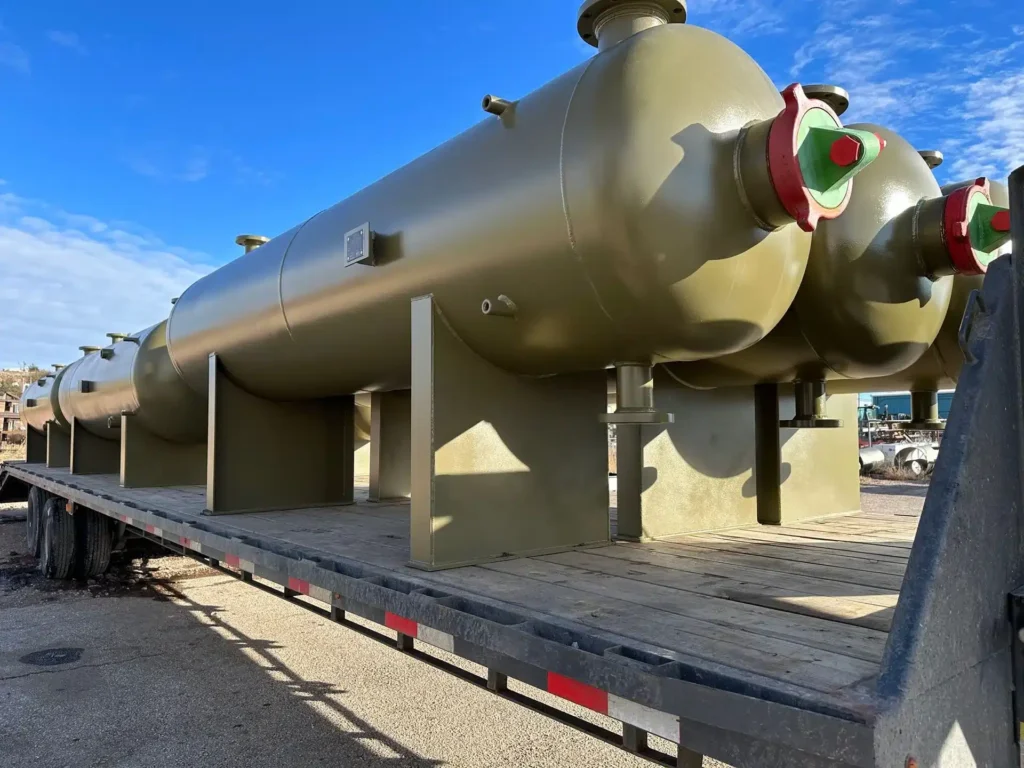
Pressure vessels are essential for safely storing, processing, and transporting high-pressure gases and liquids across the oil and gas industry. Their design, materials, maintenance, and innovation directly impact safety, efficiency, and the global energy supply chain. Introduction to Pressure Vessels in the Oil and Gas Industry Pressure vessels serve as specialized containers that securely hold […]
Glycol Transportation
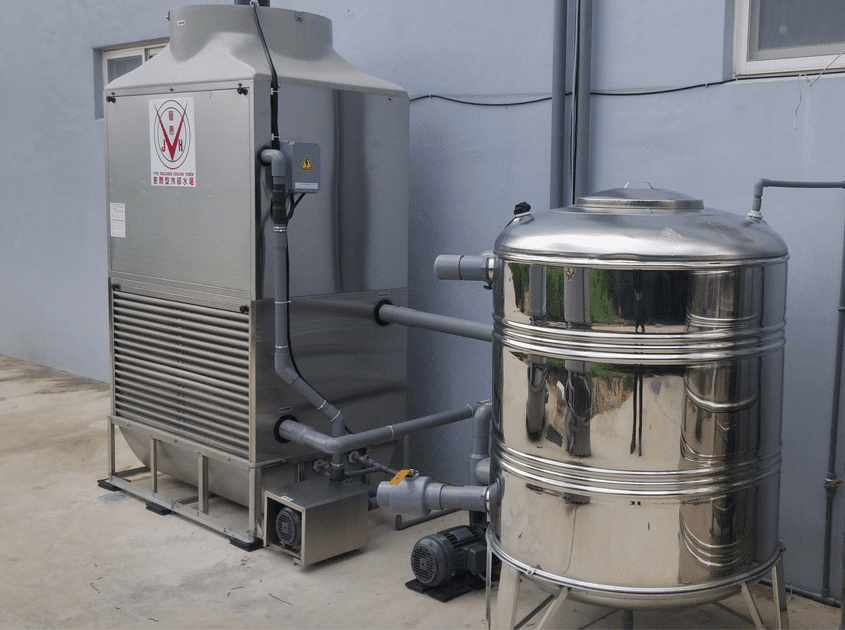
[ez-toc] Glycol transportation involves safely moving glycol through pipelines, trucks, rail, or maritime systems while preserving its purity and performance. Proper handling, regulatory compliance, and strong safety protocols ensure environmental protection and reliable delivery across industries. Introduction to Glycol Transportation What is Glycol? Glycol, a versatile chemical compound, is utilized in several industries for applications […]
Glycol Transportation
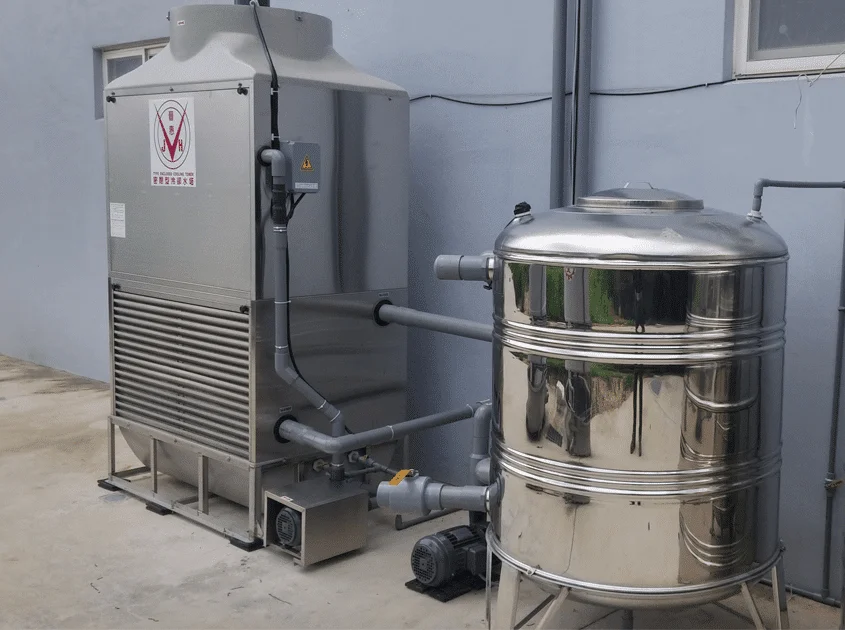
Glycol transportation involves safely moving glycol through pipelines, trucks, rail, or maritime systems while preserving its purity and performance. Proper handling, regulatory compliance, and strong safety protocols ensure environmental protection and reliable delivery across industries. Introduction to Glycol Transportation What is Glycol? Glycol, a versatile chemical compound, is utilized in several industries for applications such […]
The Four Main Failure Mechanisms for Pressure Vessels
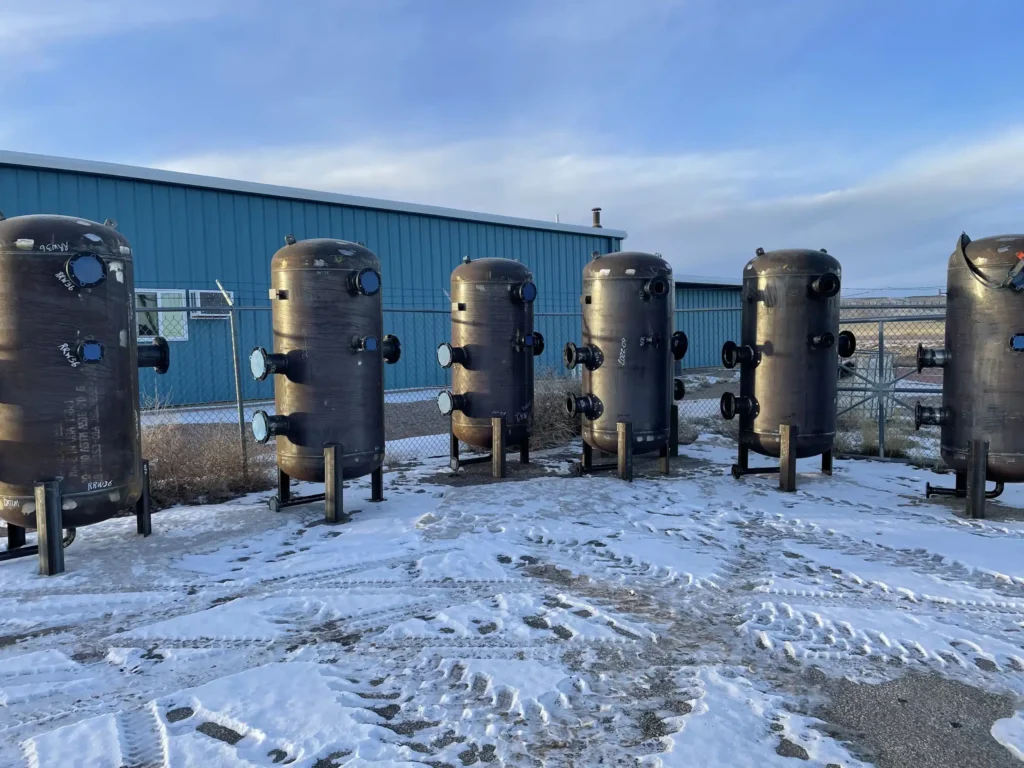
Pressure vessels most commonly fail due to fatigue, creep, brittle fracture, and corrosion mechanisms driven by stress cycles, temperature, material limits, and environmental conditions. Understanding these risks and implementing proactive maintenance, monitoring, and material selection greatly improves vessel safety and lifespan. Introduction to the Four Main Failure Mechanisms for Pressure Vessels Pressure vessels are ubiquitous […]
The Four Main Failure Mechanisms for Pressure Vessels
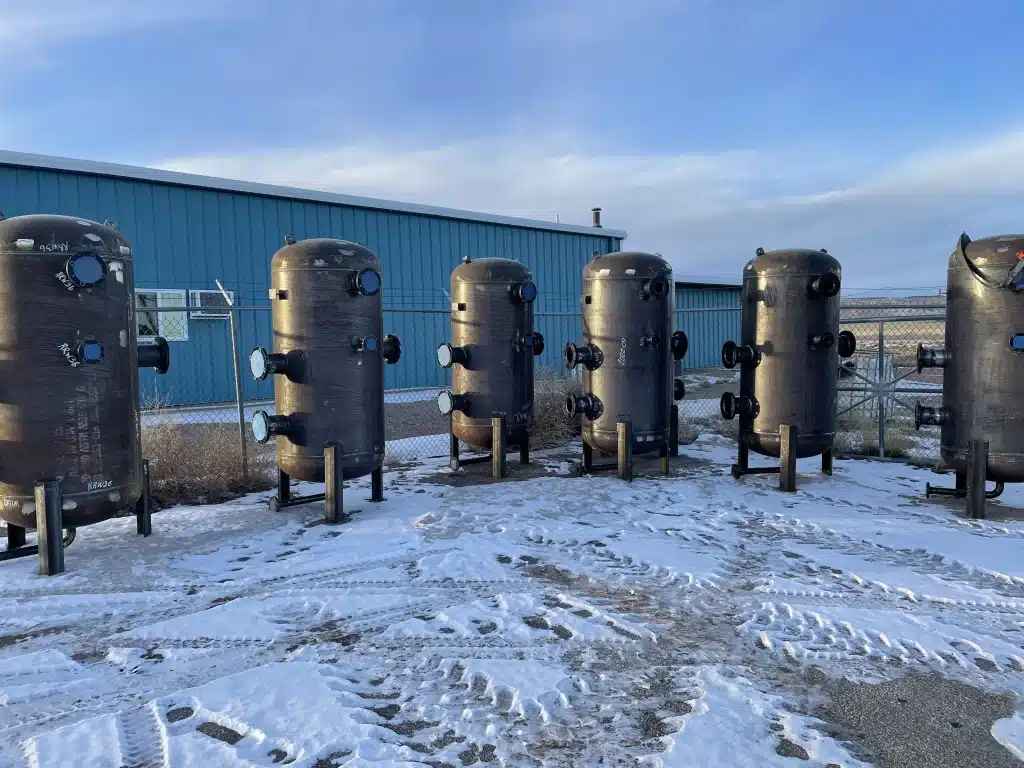
[ez-toc] Pressure vessels most commonly fail due to fatigue, creep, brittle fracture, and corrosion mechanisms driven by stress cycles, temperature, material limits, and environmental conditions. Understanding these risks and implementing proactive maintenance, monitoring, and material selection greatly improves vessel safety and lifespan. Introduction to the Four Main Failure Mechanisms for Pressure Vessels Pressure vessels are […]
Glycol Degradation
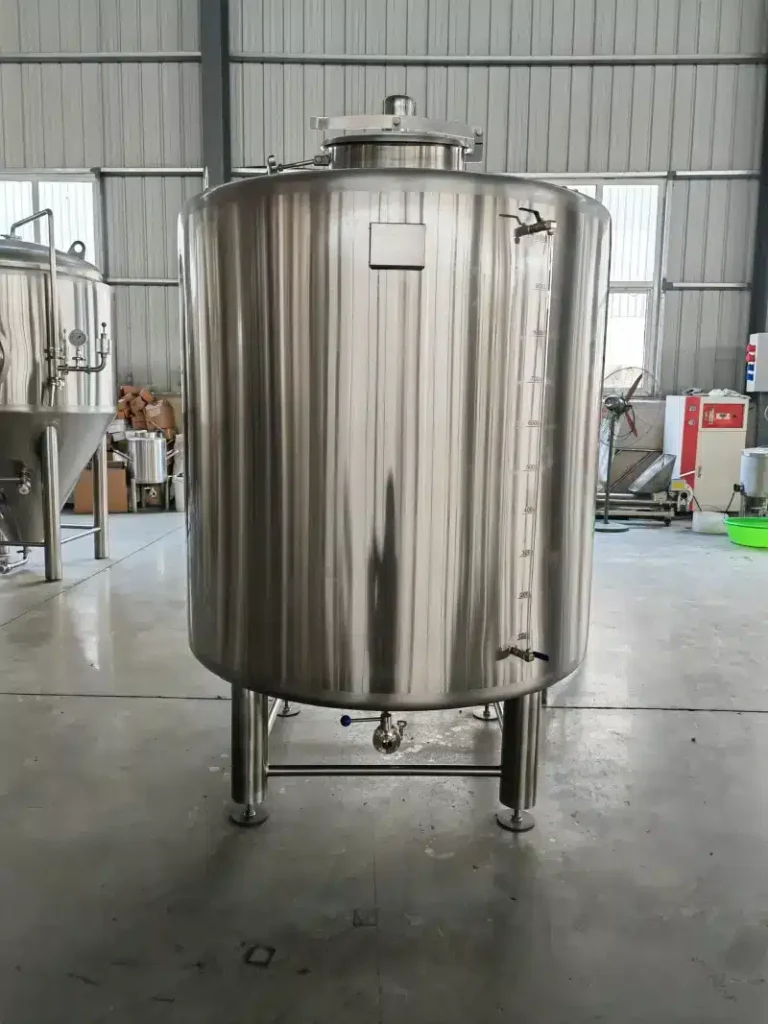
Glycol degradation occurs when heat, contaminants, and chemical reactions break down glycol, reducing its ability to protect and cool industrial systems. Proper glycol maintenance including testing, filtration, and timely replacement is essential to prevent corrosion, equipment damage, and costly downtime. Introduction to Glycol Degradation and Maintenance What is Glycol? Glycol degradation is a critical challenge […]
Glycol Degradation
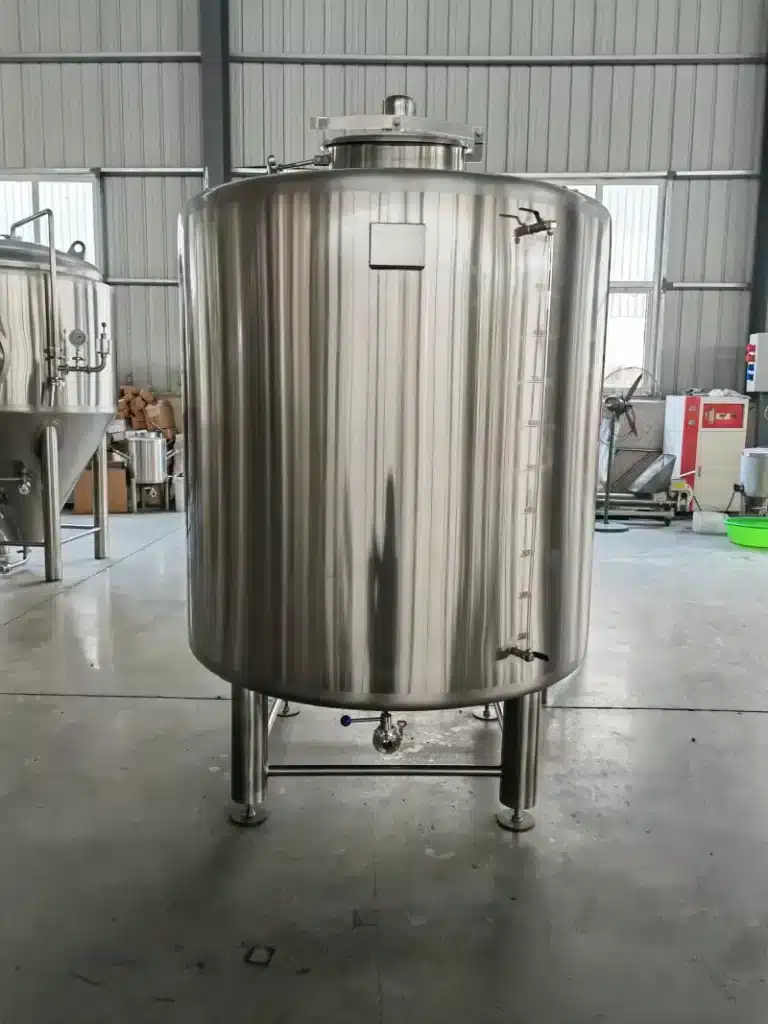
[ez-toc] Glycol degradation occurs when heat, contaminants, and chemical reactions break down glycol, reducing its ability to protect and cool industrial systems. Proper glycol maintenance including testing, filtration, and timely replacement is essential to prevent corrosion, equipment damage, and costly downtime. Introduction to Glycol Degradation and Maintenance What is Glycol? Glycol degradation is a critical […]
Can Propylene Glycol Go Bad? Shelf Life, Signs and Safety
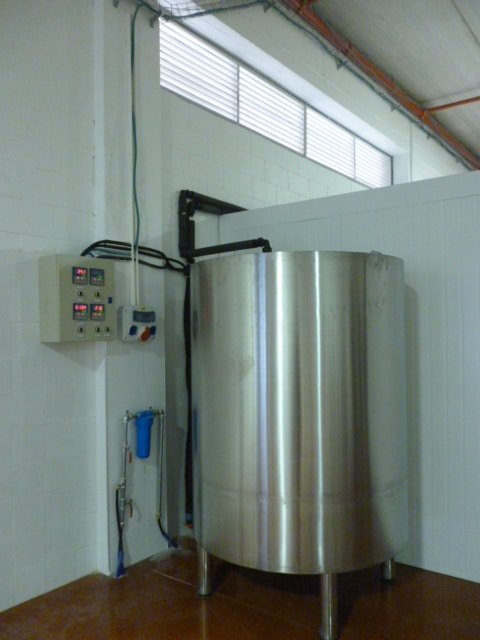
[ez-toc] Yes, propylene glycol can go bad but only if stored improperly. When kept in airtight containers, away from light, heat, and contaminants, it typically lasts 2–5 years. Watch for signs like discoloration, odor, or sediment. For critical uses (food, pharma, HVAC), always test before reuse. Can Propylene Glycol Go Bad? Shelf Life & Storage […]
The Hazards of Glycol
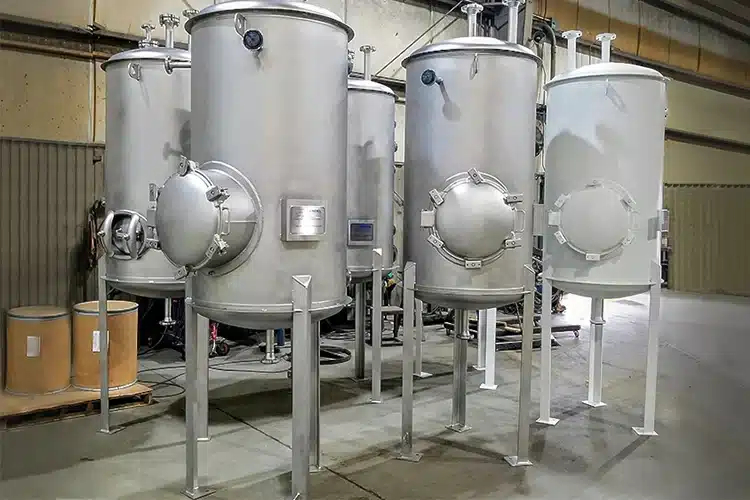
Glycol, widely used in industries and everyday products, poses health and environmental hazards, particularly ethylene glycol, which is highly toxic. Safe handling, proper disposal, and compliance with regulatory guidelines are essential to protect workers and the environment. Glycol Hazards and Safety Glycol is a versatile chemical used in various industries, ranging from automotive applications to […]