
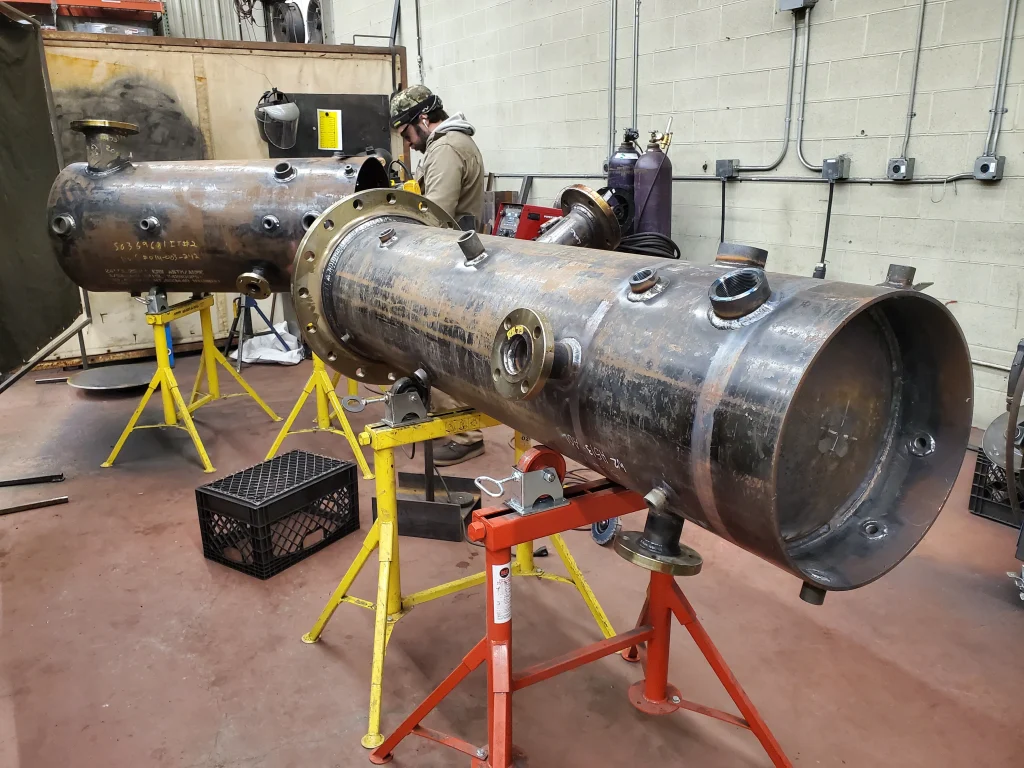
Failure Modes of Pressure Transducers covers how sensors can fail due to mechanical, electrical, environmental, or installation‑related issues. Recognizing these risk factors early is key to ensuring reliable operation and system safety. A proactive approach involving regular inspection, calibration, and maintenance helps prevent failures before they jeopardize system performance.
Failure Modes of Pressure Transducers Explained
Failure Modes of Pressure Transducers can occur in many ways, potentially compromising safety and measurement reliability. Transducers convert pressure into electrical signals, but under adverse conditions they may malfunction. The most frequent causes include mechanical damage, sensor drift, electronic issues, environmental stress, and poor installation. Recognizing and addressing these failure modes early is critical for reliable performance over time.
Sensors may face mechanical damage due to physical impact, overpressure beyond rated capacity, or improper installation. When this happens, the sensing element or diaphragm can deform, resulting in inaccurate readings or total loss of function. Such failure can lead to incorrect pressure reports or no output at all. To avoid this, regular preventive maintenance and correct handling are essential. Equally important is ensuring that installation follows manufacturer guidelines, including proper mounting and protection from shocks or vibration.
Over time, internal components may degrade. Drift often occurs due to long‑term use, temperature fluctuations, or sensor material fatigue. This causes the baseline reading to slowly shift even when pressure remains constant, undermining accuracy. Zero shift and span shift are similar manifestations. Zero shift creates a non‑zero reading at zero pressure, while span shift alters the sensor’s response range. Both require recalibration or replacement to restore correct measurements.
Non‑linearity is another failure mode resulting from imperfections in the sensing element or electronics. In this case, the output signal does not change proportionally with pressure changes, leading to unpredictable errors — especially near the extremes of the sensor’s range. This undermines reliability in precise control or monitoring applications.
Temperature also plays a vital role. Exposure to temperatures outside the transducer’s specified range or sudden fluctuations can trigger thermal effects. These may lead to expansion or contraction of components or electronic instability, causing erroneous pressure readings unrelated to actual pressure changes.
Electrical failures contribute heavily to risk. Short circuits, open circuits, power supply issues, or degraded wiring can disrupt signal transmission. In damp or corrosive environments, moisture infiltration can aggravate these problems. Without proper shielding and grounding, sensors may intermittently fail or provide no output at all.
Exposure to aggressive chemicals or corrosive media endangers the transducer as well. Corrosive damage may erode protective housings, degrade diaphragms, or expose internal components. Over time, this can lead to signal anomalies, leaks, or complete sensor failure.
In liquid systems, rapid pressure fluctuations can cause cavitation or vaporization. The formation and collapse of vapor pockets can physically damage the sensing element or interfere with accurate readings. This type of failure might manifest as erratic data or mechanical damage requiring sensor replacement.
Material properties sometimes cause hysteresis: the sensor output differs depending on whether the pressure is rising or falling. That means the same pressure level may register differently depending on the pressure history. In applications requiring precise measurements, this behavior complicates performance and may require compensation or more sophisticated sensor designs.
Contamination is another frequent problem. Dust, oil, moisture, or particles may infiltrate the sensor housing — especially in harsh industrial environments. If contaminants reach the sensing element or signal pathways, readings may be blocked, distorted, or lost entirely. Proper sealing and regular cleaning are necessary to prevent this.
Vibration and shock, common in heavy machinery or mobile equipment, can cause misalignment or gradual degradation. Sensors not rated for such conditions may suffer internal damage over time, leading to unreliable or failed outputs.
Interference from electromagnetic sources or radio‑frequency noise (EMI/RFI) may distort electrical signals from the transducer. Nearby motors, transmitters, or transformers can cause induced voltages or currents, yielding inaccurate readings or intermittent signal loss. Shielding and correct grounding practices help mitigate these risks.
Seal failures, often due to aging, poor materials, or exposure to incompatible media, present a serious hazard. Leaks caused by seal degradation can introduce moisture or contaminants, undermining internal electronics or the sensing element itself. Over time, this can result in complete sensor failure.
In rare cases, output saturation can occur when the transducer is exposed to pressures beyond its maximum rating or experiences electronic anomalies. In this scenario, the sensor may simply output its maximum or minimum signal regardless of the actual pressure — misleading operators into believing pressure is within acceptable limits.
Finally, aging effects and calibration errors often contribute to long‑term reliability issues. As components wear out, responsiveness may slow, drift may worsen, or complete failure may result. Using incorrect calibration standards or performing calibration in unsuitable environmental conditions can embed systematic measurement errors into a system.
Given these varied failure modes, regular monitoring, preventive maintenance, and periodic calibration are indispensable. It is wise to consult the manufacturer or a qualified technician whenever unexpected behavior or erratic readings are observed. Continued use of a malfunctioning transducer can lead not only to inaccurate measurements but also to safety hazards in critical pressure‑controlled systems.
Pressure Vessel Context: Safety Standards and Compliance
When pressure transducers are used within pressure vessels or pressure‑controlled systems, awareness of Pressure Vessel Safety Standards and Compliance is essential. Knowing what are the safety standards for pressure vessels helps ensure sensors and vessels operate together safely. Many pressure vessel operators follow what is ASME code for pressure vessel safety as a benchmark for design, inspection, and maintenance. For reference, see the dedicated internal resource on American Society of Mechanical Engineers (ASME) standards at ASME Pressure Vessel Standards & Regulations.
Part of Pressure Vessel Inspection and Maintenance involves verifying that sensors are functioning reliably, free from leaks, corrosion, or environmental stress. Regular inspections confirm how do pressure vessels comply with safety regulations and ensure sensor signals reflect true pressure conditions. When conducting an inspection, teams often ask how to inspect a pressure vessel in detail — verifying structural integrity, sensor function, and sealing quality. A good checklist for what to include in a pressure vessel inspection checklist includes checking transducer calibration, verifying diaphragm integrity, confirming wiring and grounding, inspecting for corrosion or leaks, and validating output under controlled pressure conditions.
Operators should decide how often do pressure vessels need to be inspected based on usage cycles, operating pressure, environmental conditions, and any abnormal events such as overpressure or chemical exposure. Frequent inspections increase reliability and compliance. To learn more about vessel fabrication and maintenance best practices, check our internal guide on Pressure Vessel Fabrication Tasks.
Using high‑quality fabrication and sensors reduces failure risk. For instance, using corrosion‑resistant housings, vibration‑isolated mounts, and EMI‑shielded wiring helps maintain accuracy. It is equally important to perform sensor redundancy — using multiple pressure transducers or backup systems in critical applications — to ensure continued operation if one sensor fails.
By integrating well‑designed transducers with compliant pressure vessels and following strict maintenance and inspection protocols, you can significantly reduce the chances of sensor failures and ensure long‑term safety and reliability. Our work in pressure vessel manufacturing and safety protocols at Pressure Vessel Fabrication reflects exactly this commitment.
Why RedRiver LLC Is a Trusted Partner
At RedRiver LLC we understand how vital accurate pressure sensing is — especially in pressure‑controlled systems and vessels. Our expertise lies not only in quality fabrication of pressure vessels and related components, but also in recommending appropriate sensor configurations, installation practices, and maintenance schedules to minimize risk.
When you partner with RedRiver LLC you benefit from our deep knowledge of industry requirements, compliance guidelines, and best practices for sensor reliability. We work closely with clients to ensure that pressure transducers are properly specified, installed, and maintained — supporting long‑term performance, safety, and compliance. To learn more about our full scope of capabilities, visit our Capabilities page.
We also support ongoing lifecycle services — fabrication, inspection, maintenance, and testing — to help you maintain safe operation over the long run. For instance, our Pressure Vessel and Pipe Testing service shows how we apply rigorous testing methods including hydrostatic and non‑destructive testing (NDT) to uncover hidden issues before they become critical. redriver.team
Failure Modes of Pressure Transducers Conclusion
Failure Modes of Pressure Transducers occur for many reasons — from physical damage to environmental stress, electrical and mechanical degradation, improper installation, and aging effects. When sensors are part of pressure‑controlled systems or pressure vessels, neglecting any of these risk factors can lead to dangerous, inaccurate pressure readings. For reliability and safety it is essential to apply proper inspection, maintenance, calibration, and compliance practices.
Integrating sensors with well‑designed, code‑compliant pressure vessels and maintaining regular inspections and maintenance helps prevent failures. Partnering with RedRiver LLC ensures you get expert guidance, fabrication excellence, and long‑term support for safe, reliable pressure systems.
Need a reliable partner?
If you need reliable pressure vessel fabrication, system design, or expert guidance on pressure transducer selection and maintenance, reach out to RedRiver LLC today. Visit our website and let us help you implement robust, safety‑oriented pressure measurement solutions.
FAQs
What are common failure modes of pressure transducers used in pressure vessels?
Common failure modes include mechanical damage, drift, zero shift, span shift, non‑linearity, thermal effects, electrical failures, corrosion or chemical damage, contamination, vibration and shock effects, EMI/RFI interference, seal failures, output saturation, and aging or calibration errors.
How do temperature fluctuations affect pressure transducer performance?
Temperature fluctuations can lead to thermal expansion or contraction of sensing elements or internal electronics. This can cause drift, zero shift, or span shift — meaning the sensor output changes even if actual pressure remains constant. Over time, repeated cycles can degrade the sensor’s internal stability and lead to unreliable readings.
How often do pressure vessels need to be inspected when pressure transducers are installed?
Inspection frequency depends on pressure cycles, operating conditions, environmental exposure, and history of events like overpressure or chemical exposure. Operators often set periodic inspections and more frequent checks if conditions are harsh or critical for safety.
What should a pressure vessel inspection checklist include regarding pressure transducers?
A comprehensive inspection checklist should include verifying sensor calibration, checking for diaphragm integrity, testing output accuracy under controlled pressure, inspecting wiring and grounding for corrosion or damage, confirming seals are intact, and inspecting the vessel for leaks, corrosion, or structural wear.
How do sensors comply with safety regulations in pressure vessel systems?
Sensors comply when they are specified and installed correctly, calibrated periodically, housed in suitable materials, and maintained under inspection protocols. Compliance also includes using sensor types rated for system pressures, media compatibility, and environmental conditions — ensuring that the pressure measurement system as a whole aligns with safety standards.
How to inspect a pressure vessel that uses pressure transducers before commissioning?
Inspection should include physical checks of vessel integrity, leak testing, verifying transducer installation, calibrating sensors under known reference pressure, verifying that sensor outputs match actual pressure, and checking for proper wiring, grounding, and sealing. After inspection, perform a controlled pressure cycle to validate sensor behavior under operational conditions.
Can calibration errors cause pressure transducer failure?
Yes. Using incorrect calibration standards, improper procedures, or calibrating under unsuitable environmental conditions can lead to systematic measurement errors. Over time, such errors can accumulate, causing inaccurate pressure data and compromising safety monitoring or control functions.
What role does maintenance play in preventing failure modes of pressure transducers?
Regular maintenance helps detect early signs of degradation such as drift, zero shift, seal wear, or corrosion. Periodic recalibration, cleaning, sealing checks, electrical inspections, and environmental protection all contribute to extending sensor life and maintaining accuracy.
Key Takeaways
Failure Modes of Pressure Transducers cover many potential issues such as mechanical damage, drift, electrical failures, environmental stress, installation errors, and aging effects.
Proper inspection, calibration, maintenance, and compliance with safety standards are essential for reliable operation.
In pressure vessel systems, it is vital to treat transducers as part of the overall safety and compliance strategy.
A detailed pressure vessel inspection checklist should include sensor calibration, diaphragm integrity, sealing, wiring, and output validation.
Partnering with experienced professionals like RedRiver LLC helps ensure pressure measurement systems are correctly specified, installed, and maintained for long‑term safety and reliability.
Related Blog Post
What Are Pressurized Storage Vessels?
Where to Locate Air Separator Tanks?
How Do Air Separator Tanks Work?
Hydronic Tanks?
What Is a Hydronic Tank?
No subpillar set for this blog post.
About Author



