
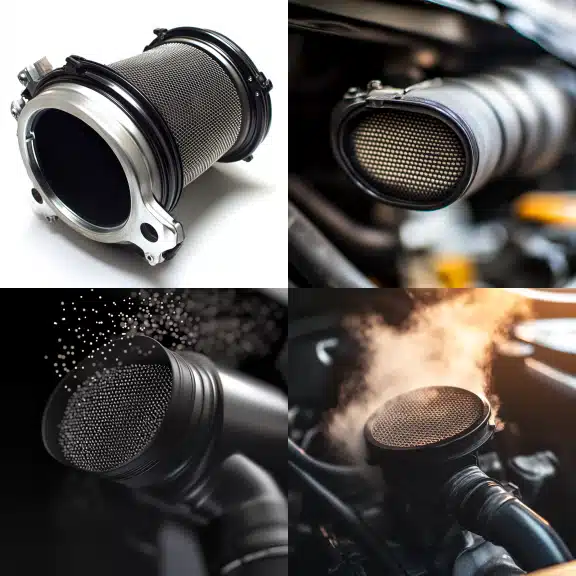
A particulate filter (DPF or GPF) captures soot and fine particles from your vehicle’s exhaust to reduce emissions and protect engine health. When clogged, it can trigger warning lights, reduce engine performance, and increase fuel consumption. Regeneration usually clears light buildup during highway driving, but heavy blockages may require manual cleaning or costly replacement. Regular maintenance, quality fuel, and avoiding frequent short trips can help extend the filter’s life and prevent expensive repairs.
What is a Particulate Filter Guide?
A particulate filter, commonly known as a Diesel Particulate Filter (DPF), is a critical component in modern diesel vehicles. It’s designed to capture and remove soot, ash, and other fine particles from the engine’s exhaust gases. These filters help reduce air pollution, meet emissions standards, and protect engine performance over time.
Purpose of a Particulate Filter in Your Vehicle
The number one purpose of a particulate clearout is to lure and keep exhaust soot, reducing emissions from diesel engines. This is essential for keeping air satisfactory and assembly stringent emissions requirements. Without a functioning particulate clearout, your automobile ought to release much dangerous debris, contributing to environmental pollutants and doubtlessly causing fitness troubles.
Types of Particulate Filter Guide
There are numerous kinds of particulate filters, each designed to cater to one-of-a-kind car wishes and regulatory requirements. The maximum not unusual kinds encompass:
- Diesel Particulate Filters (DPFs): Standard in maximum diesel motors, those filters lure soot and periodically burn it off in the course of a manner known as regeneration.
- Gasoline Particulate Filters (GPFs): Similar to DPFs however utilized in gasoline engines, these filters assist reduce particulate emissions from direct-injection gas engines.
- Catalyzed Particulate Filters (CPF): These filters have a catalytic coating that helps oxidize soot at lower temperatures, making the regeneration technique greener.
Risks of Driving with a Clogged Particulate Filter
Safety Concerns and Potential Hazards
When a DPF becomes clogged, exhaust gases can’t flow freely, which builds up pressure in the engine. This backpressure increases engine temperature and may damage components like the turbocharger or exhaust manifold. In extreme cases, the excess heat and soot buildup may lead to fire hazards or internal engine failure.
Additionally, some vehicles may go into “limp mode” to prevent further damage, which drastically limits performance.
Impact on Vehicle Performance
A clogged DPF can lead to:
- Sluggish acceleration
- Reduced fuel efficiency
- Increased engine strain, especially under load
This happens because the engine must work harder to push exhaust through the restricted system. Left unresolved, the added stress can shorten the lifespan of your EGR valve, turbo system, and even affect catalytic converter function.
Long-time period Effects on Your Engine
The lengthy period results of using a clogged particulate filter may be unfavorable for your engine’s fitness. Persistent returned pressure can cause damage to the turbocharger, exhaust gasoline recirculation (EGR) valve, and different essential components. Over time, this could cause high-priced repairs and even engine failure. Regular maintenance and timely alternatives of the particulate filter out are essential to save you these problems and make sure the toughness of your vehicle’s engine.
How to Identify a Faulty Particulate Filter Guide
Common Symptoms and Warning Signs
- DPF warning light on dashboard
- Noticeable drop in power or slow throttle response
- Excessive black smoke from the exhaust
- Increased fuel use
- Burning smell under the hood
Some modern vehicles will also log error codes like P2002 (particulate trap efficiency below threshold).
Diagnostic Tools and Techniques
To diagnose a defective particulate clear out, several tools and techniques can be used. Onboard diagnostics (OBD) structures are helpful for this reason, presenting error codes that suggest filtering out problems. A handheld OBD-II scanner can examine those codes, helping pick out if the DPF is the trouble. Additionally, appearing a again pressure test can monitor if there may be excessive returned pressure due to a clogged filter out. Temperature sensors earlier than and after the DPF also can suggest problems if there is a large temperature difference.
When to Seek Professional Help
While some diagnostic exams may be accomplished domestically, it’s vital to seek expert assistance while managing particulate filter issues. If your car’s DPF caution light is on, or if you’ve noticed persistent signs, it’s time to seek advice from an expert. Technicians have the knowledge and superior equipment to perform thorough diagnostics, regeneration processes, or replacements if vital. Ignoring these problems can result in severe engine harm and high-priced maintenance.
Maintenance Tips for Particulate Filter Guide
Regular Cleaning and Replacement
Regular cleansing and timely substitution of your particulate clear-out are essential for preserving vehicle performance and sturdiness. Over time, soot and particulates acquire within the clear-out, leading to clogs. Performing a DPF regeneration, where the gathered soot is burned off at excessive temperatures, is important. Many current motors mechanically perform this technique in the course of motorway use. However, if regeneration fails or the filter is too clogged, a manual cleansing or alternative by using an expert may be vital to make sure the choicest function.
DIY vs Professional Maintenance
While some particulate clear-out protection tasks may be accomplished at home, inclusive of forced regeneration and the use of a diagnostic tool, many components are quality left to specialists. DIY strategies can occasionally clear minor clogs, however, they might not cope with deeper troubles or potential damage. Professional technicians have the expertise and system to very well clean or replace the filter, ensuring it meets all operational requirements. Relying on expert offerings guarantees that the process is completed correctly, minimizing the chance of similar complications.
Preventative Measures to Extend Filter Life
Preventative measures can considerably increase the lifestyles of your particulate filter. Regularly riding at motorway speeds lets in for computerized regeneration, helping to burn off soot and preserve the filter clear. Using high-quality, low-ash engine oil can reduce the quantity of particulate produced. Additionally, fending off common brief journeys that do not permit the engine to attain the most useful running temperatures can prevent premature filter clogging. Monitoring your vehicle’s performance and addressing troubles directly can also assist hold clearing out fitness.
Need a reliable partner?
Red River specializes in the design and manufacturing of pressure vessels. We also fabricate related items such as prefabricated spools and skid packages.
Reach Out to us today and experience the Red River difference. Where American Made and American Values come together, we care more.
FAQ’s about Particulate Filter Guide
What causes a DPF to clog so quickly?
Short-distance driving, low-quality fuel, or skipping scheduled maintenance can prevent proper regeneration, causing soot to build up rapidly.
How do I force a DPF regeneration?
Some vehicles allow manual regeneration via OBD tools or dashboard commands. Others require highway driving at sustained speeds (above 40 mph for 15–20 minutes). Always check your owner’s manual.
Is DPF removal legal?
In most regions, removing or deleting a DPF is illegal and can void your warranty. It may also cause your vehicle to fail emissions tests and result in fines.
What’s the average cost to replace or clean a DPF?
Replacement can range from $1,200 to $4,000, while professional cleaning typically costs $250 to $600, depending on vehicle make and region.
Can I clean a DPF at home?
Light clogs may be cleared with a DPF cleaning additive or forced regeneration, but deep cleaning requires specialized equipment. DIY attempts can damage the filter if done improperly.
Key Takeaways
- Particulate filters (DPF/GPF) are essential for reducing harmful diesel or gasoline exhaust emissions.
- A clogged filter leads to poor engine performance, higher fuel usage, and costly long-term damage.
- Common symptoms include dashboard warnings, smoke, slow acceleration, and bad fuel economy.
- Filters can self-clean via regeneration, but manual cleaning or replacement may be needed if too clogged.
- Regular maintenance and highway-speed driving help prevent clogging and extend filter lifespan.
- Ignoring DPF issues can result in engine damage costing $1,000–$4,000+ in repairs or replacements.
- Professional diagnosis and service are recommended when warning signs appear.
Related Blog Post
How a Glycol System Works
Ethylene Glycol Water: A Complete Heat Transfer Guide
Water Filter Replacement
Why Use Stainless Steel Sheet Metal Fabrication?
How Does Stainless Steel Sheet Metal Fabrication Work
No related articles found.
About Author



