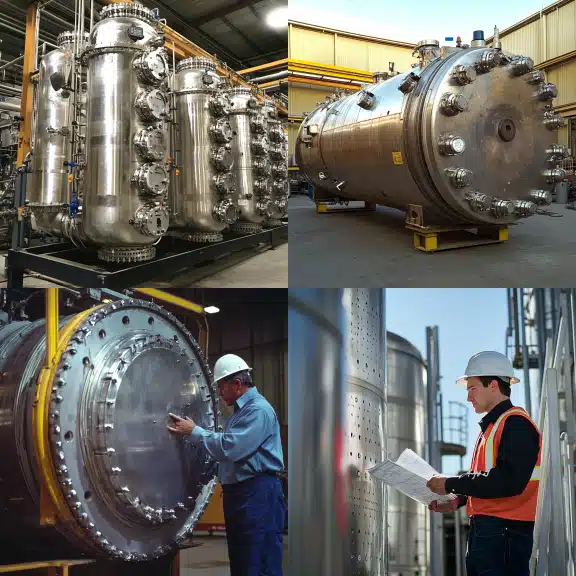
Vertical Separators for Industrial Applications play a key role in separating gas, liquid, and solid streams to maintain efficient processing operations. They support cleaner outputs, improve equipment performance, reduce downtime, and enhance overall system reliability. This guide explains how vertical separators work, their advantages, key design considerations, safety compliance, maintenance requirements, and what industries typically use them.
Why Is Risk Assessment Essential for Dehydrator Pressure Vessels?
At Red River, we understand that a safe and efficient commercial operation depends on thorough threat assessments and risk evaluation strategies. Dehydrator pressure vessels play a critical role in ensuring system reliability. Assessing their risks isn’t just recommended—it’s vital. System failures or safety hazards can impact operations, profitability, and, most importantly, human lives. That’s why we adopt a proactive approach to help mitigate these risks effectively.
Understanding the Role of Pressure Vessels in Dehydration Systems
Pressure vessels are crucial components in dehydration systems, especially in industries like oil, gas, and biogas. These vessels handle extreme pressures and conditions, making their reliability essential. At Red River, we ensure that your dehydrator pressure vessels undergo comprehensive assessments, including corrosion checks and overload tests.
These evaluations keep your equipment in top condition while ensuring compliance with regulatory standards. By preventing unexpected downtime or costly penalties, our assessments safeguard your operations and bottom line.
Common Risks Associated with Dehydrator Pressure Vessels
Without the right interest in danger analysis, your dehydrator pressure vessels ought to face extreme risks. Some common dangers include corrosion from harsh chemicals or moisture, overpressure situations that might cause vessel rupture, and mechanical disasters due to put and tear through the years. Unaddressed, these dangers pose large protection threats to your workers and centers. At Red River, we specialize in figuring out those dangers early, offering quality practices in danger evaluation to ensure your pressure vessels continue to be secure and operational.
When it comes to chance evaluation for dehydrator pressure vessels, Red River is your associate in safeguarding the destiny of your enterprise. With our deep industry information and commitment to American values, we go past compliance to supply peace of mind and long-term reliability. And with direct get entry to Reilly Sasse, an enterprise veteran who’s as devoted to protection as he’s to his handshake, you’ll continually have a relied-on marketing consultant by way of your facet.
Key Steps in Hazard Analysis for Dehydrator Pressure Vessels
When it involves maintaining your operations secure and green, threat analysis for dehydrator pressure vessels is crucial. By following a clean, step-by means of-step technique, you could make certain capability risks are diagnosed, evaluated, and successfully mitigated.
Identifying Potential Hazards in Pressure Vessel Operation
The first step in any chance analysis is to pick out feasible risks. Techniques like HAZOP (Hazard and Operability Study) and FMEA (Failure Mode and Effects Analysis) are extensively used to pinpoint capability failure factors. In dehydrator pressure vessels, common hazards include corrosion from chemical publicity, pressure buildup, and mechanical put-on over time. Identifying these dangers early lets in for proactive management.
Evaluating Risks and Assigning Risk Levels
Once risks are recognized, it’s vital to evaluate and prioritize them. Risk assessment strategies typically examine both the severity of a capacity incident and the probability of it happening. This helps you awareness resources on addressing the most urgent dangers, ensuring a safer, extra reliable operation.
Mitigation Strategies to Minimize Risk
The final step includes implementing preventative measures to mitigate identified risks. Regular inspections, proper upkeep, and the use of corrosion-resistant substances are many of the fine practices for preserving pressure vessel integrity. By staying proactive, you can expand system lifestyles and ensure the ongoing safety of your operations.
Best Practices for Regular Safety Audits and Risk Reassessments
Regular safety audits and risk reassessments are essential for ensuring the ongoing safe operation of dehydrator pressure vessels. By adhering to these fine practices, you can proactively cope with potential hazards and keep the long-term reliability of your equipment.
Importance of Routine Inspections and Maintenance
Ongoing inspections and renovation play a crucial role in lowering the chance of system failure. Regular inspections assist perceive put on, corrosion, and pressure irregularities earlier than they lead to luxurious breakdowns or protection incidents. A complete safety audit checklist for dehydrator pressure vessels needs to include checking for leaks, verifying pressure gauges, examining for signs and symptoms of corrosion, and ensuring that safety valves are characteristic nicely. Routine upkeep, along with changing worn additives and cleansing vessel internals, similarly complements equipment toughness and operational protection.
Updating Risk Assessments Over Time
As your operations evolve, so do the risks associated with your pressure vessels. Any operational adjustments—consisting of machine upgrades, multiplied capacity, or environmental shifts—can impact your danger stages. That’s why it’s critical to reassess dangers after any sizeable restore, change, or change in operating situations. Periodically updating your chance evaluation guarantees that new hazards are identified and mitigated, preserving your system in compliance and your employees secure. This proactive technique helps avoid unforeseen issues that could arise from outdated risk checks.
Choosing the Right Fabrication Partner
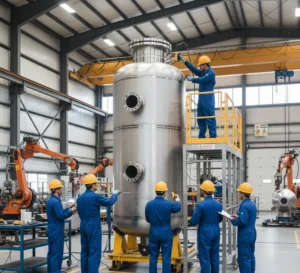
Selecting a skilled and experienced fabrication partner ensures your separator is built with quality workmanship and complies with recognized engineering standards. A reliable manufacturer ensures accuracy, safety, and performance across every phase of the project from design to final inspection.
A qualified fabrication team provides:
- Expertise in pressure vessel manufacturing
- Knowledge of compliance and safety standards
- Advanced fabrication capabilities
- Rigorous quality assurance systems
These factors contribute to long-term operational reliability.
Need a reliable partner?
Red River specializes in the design and manufacturing of pressure vessels. We also fabricate related items such as prefabricated spools and skid packages.
Reach Out to us today and experience the Red River difference. Where American Made and American Values come together, we care more.
Frequently Asked Questions
1. What Is the Primary Purpose of a Vertical Separator?
A vertical separator is designed to separate gas, liquid, and solid phases within a process stream, helping maintain clean outputs and stable operational performance.
2. What Internal Components Affect Separation Efficiency?
Components such as inlet diverters, baffles, mist extractors, and collection chambers support organized separation and enhance output purity.
3. How Often Should a Vertical Separator Be Inspected?
Inspection frequency depends on operational conditions, but routine evaluation helps detect early signs of wear, corrosion, or misalignment of internal components.
4. What Factors Influence Separator Sizing?
Capacity, flow behavior, media characteristics, and operational expectations determine appropriate sizing for consistent performance.
5. What Materials Are Commonly Used in Vertical Separators?
Material choice varies based on operating conditions, but corrosion-resistant alloys are often used to maintain long-term durability.
Key Takeaways
- Vertical Separators for Industrial Applications support multiphase separation and deliver consistent, clean outputs.
- Their design emphasizes stability, efficiency, and optimized flow behavior.
- Proper maintenance promotes safety, reliability, and long-term performance.
- Choosing a qualified fabrication partner enhances project outcomes and operational consistency.
Related Blog Post
Pressure Vessel Design & Engineering: Concept to Launch
What is Pressure Vessel Design and Engineering: Code-Ready Guide
What are the Key Factors in Pressure Vessel Engineering
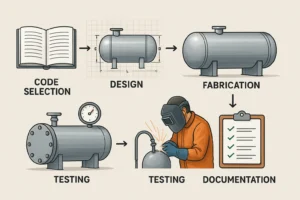
How Do You Design a Pressure Vessel: A Step-By-Step Guide
What is Pressure Vessel Fabrication and Manufacturing
About Author