
Desiccant reusability involves restoring moisture-saturated materials like silica gel, activated alumina, and molecular sieves through heat-based regeneration to maintain performance and reduce waste. Proper reactivation improves efficiency, lowers costs, and supports more sustainable moisture-control practices.
Understanding Desiccant Reusability
What Is Desiccant Reusability?
Desiccant reusability refers to restoring desiccant materials like silica gel, activated alumina, or molecular sieves to their moisture-absorbing state through specific reactivation processes. This helps maintain optimal performance while reducing waste and cost
Types of Desiccants & Typical Applications
- Silica Gel
A non-toxic, porous form of silicon dioxide. Widely used in packaging, electronics, food, and pharmaceuticals for moisture protection. Shows color-indicating variants that change color when saturated. - Activated Alumina
Made from dehydroxylated aluminum hydroxide, offering high surface area and reversible adsorption. Used in air drying and water purification. Regenerates by heating to ~200 °C - Molecular Sieves
Porous aluminosilicates with uniform pore sizes, offering exceptional moisture adsorption. Common in petrochemical, natural gas, and laboratory applications. Regeneration requires higher temperatures or vacuum/pressure changes
How Desiccant Reusability Works
Mechanism
Desiccants adsorb water molecules from surrounding air. Over time, they become saturated, reducing efficiency but can often be restored through heat or other regeneration methods depending on the desiccant type
Recognizing When to Recharge
- Color indicators: e.g., silica gel turning blue to pink signals saturation
- Increase in weight or change in texture.
- Diminished performance during use.
Reactivation Methods & Best Practices
Silica Gel
- Oven Method: Heat between 120–150 °C (250–300 °F) for 1–2 hours for non-indicating types; color indicators may require lower temperature (Silica Gel).
- High Thermal: Avantor recommends 275–300 °F (~135–150 °C) for roughly 1 hour per pound (Avantor).
- Microwave: A possible option but requires careful setup to avoid overheating and damage
Activated Alumina
Heat to ~200 °C to release absorbed moisture and regenerate
Molecular Sieves
Regeneration via heating (175–315 °C), sometimes combined with vacuum or purge gas
Comparative Overview
| Desiccant Type | Regeneration Method | Typical Temperature | Advantages | Considerations |
| Silica Gel | Oven/microwave | 120–150 °C | Easy to regenerate, low cost | Indicator may degrade, cobalt risk |
| Activated Alumina | Oven heat | ~200 °C | High surface area, robust | Industrial focus, less common in consumer use |
| Molecular Sieves | Heat ± vacuum/gas purge | 175–315 °C | Excellent moisture capacity | High heat requirement, technical setup |
Risks & Safety Tips
Overheating damage: Beads may crack or “pop.” Avoid excessively high temperature
Indicator hazards: Blue silica gel contains cobalt chloride (potentially carcinogenic). Consider using cobalt-free orange or green indicators
Contamination: Used in sensitive fields like food, pharmaceuticals ensure retain quality and cleanliness
Need a reliable partner?
Red River specializes in the design and manufacturing of pressure vessels. We also fabricate related items such as prefabricated spools and skid packages.
Reach Out to us today and experience the Red River difference. Where American Made and American Values come together, we care more.
Frequently Asked Questions
1. Can all sorts of desiccants be reused?
Yes, maximum desiccants may be reused, however the technique and effectiveness can range. Silica gel and activated alumina are commonly reused after proper recharging, while some specialized desiccants would possibly have extra unique reusability guidelines.
2. What are the first-class methods for recharging desiccants?
The handiest techniques for recharging desiccants include heating them in an oven at the recommended temperature or the use of a microwave with unique timing. Each type of desiccant has particular commands for recharging, so it’s essential to comply with the suggestions to avoid damaging the cloth.
3. How can I tell when a desiccant desires to be recharged?
Desiccants normally display signs when they need recharging. Silica gel, for instance, adjustments colour from blue to crimson because it absorbs moisture. Other signs encompass a substantive exchange in weight or a decrease in overall performance. Monitoring those indicators can help ensure timely recharging.
4. How normally can I expect to reuse silica gel before it becomes useless?
Silica gel can generally be reused a couple of times, often among four to 6 cycles, depending on the conditions and the way well it’s maintained. Proper recharging and garage can amplify its lifespan, but eventually, it will lose its effectiveness and want to get replaced.
5. Are there any risks related to recharging desiccants?
Recharging desiccants is normally safe if executed efficaciously. However, overheating can damage the desiccant fabric, decreasing its effectiveness. Always follow the manufacturer’s pointers and use right gadget to ensure secure and effective recharging.
Key Takeaways
- Most desiccants can be regenerated, but each type requires specific temperatures and methods for safe, effective reactivation.
- Signs a desiccant needs recharging include color changes, increased weight, texture changes, or reduced moisture-control performance.
- Regeneration temperatures vary widely: silica gel (120–150 °C), activated alumina (~200 °C), and molecular sieves (175–315 °C, sometimes with vacuum or purge gas).
- Overheating, contamination, and hazardous indicator dyes (like cobalt chloride) are key safety risks requiring proper handling and temperature control.
Related Blog Post
Pressure Vessel Design & Engineering: Concept to Launch

What is Pressure Vessel Design and Engineering: Code-Ready Guide
What are the Key Factors in Pressure Vessel Engineering
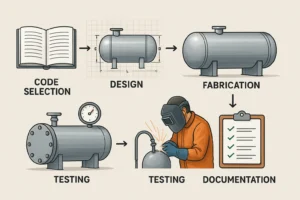
How Do You Design a Pressure Vessel: A Step-By-Step Guide
What is Pressure Vessel Fabrication and Manufacturing
About Author



