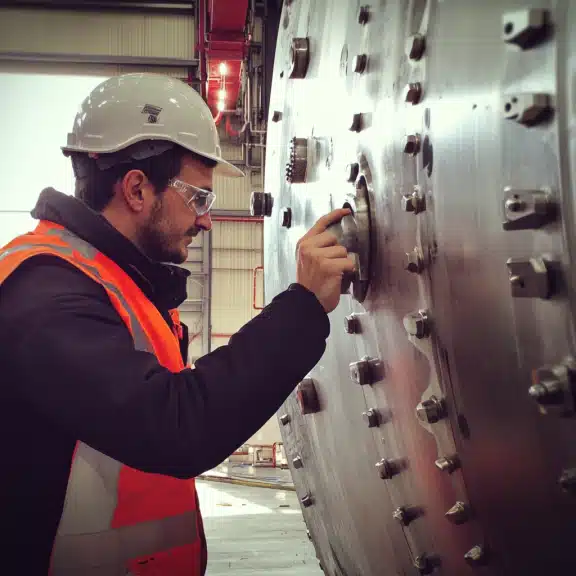
Pressure Vessel Inspection Methods are essential for maintaining safety, reliability, and long-term performance in any operational environment. These methods help identify early signs of wear, corrosion, or structural issues that may compromise integrity. By integrating strong inspection strategies, operators support compliance with industry expectations and enhance overall safety. Understanding how inspections work also aligns with Pressure Vessel Safety Standards and Compliance, particularly when assessing long-term performance.
Understanding Pressure Vessel Inspection Methods
Visual inspection stands because the number one and initial step in assessing pressure vessel integrity. Our seasoned inspectors conduct thorough visual examinations, scrutinizing each element of the vessel’s outside and indoors for symptoms of damage, corrosion, or structural deficiencies. Through superior visible inspection strategies, we discover anomalies that could compromise the vessel’s integrity, as a consequence preempting potential hazards.
Non-Destructive Testing (NDT)
Non-Destructive Testing (NDT) techniques play a pivotal role in uncovering hidden flaws inside pressure vessels without inflicting any structural damage. At Red River, we make use of modern-day NDT methods together with Ultrasonic Testing (UT), Radiographic Testing (RT), Magnetic Particle Testing (MPT), Liquid Penetrant Testing (LPT), and Eddy Current Testing (ECT). These advanced technologies allow us to delve beneath the floor, figuring out imperfections with precision and accuracy.
Risk-Based Inspection (RBI)
Implementing a Risk-Based Inspection (RBI) approach lets us prioritize inspection activities primarily based on the level of risk associated with every pressure vessel. By assessing factors which include the possibility of failure and ability effects, we tailor our inspection protocols to focus on high-danger regions, thereby optimizing useful resource allocation and improving basic protection.
Advanced Inspection Technologies
Red River stays at the forefront of innovation employing leveraging advanced inspection technology to strengthen pressure vessel integrity. From Infrared Thermography to Acoustic Emission Testing and Laser Scanning, our arsenal of state-of-the-art gear empowers us to hit upon flaws with extraordinary accuracy and efficiency. By embracing rising technology, we make sure that our inspection tactics continue to be robust and effective in safeguarding crucial infrastructure.
Pressure Vessel Inspection Methods
The Pressure Vessel Inspection Methods used today play a vital role in identifying surface and internal issues that influence safety and performance. With consistent inspections, operators reduce risk, improve vessel reliability, and maintain alignment with industry expectations. By integrating visual assessments, non-destructive testing, risk-based strategies, and advanced inspection tools, operators ensure long-term safety and compliance. These inspection processes also support safe performance across changing operational conditions.
Need a reliable partner?
Red River specializes in the design and manufacturing of pressure vessels. We also fabricate related items such as prefabricated spools and skid packages.
Reach Out to us today and experience the Red River difference. Where American Made and American Values come together, we care more.
Frequently Asked Questions
1. What types of defects are commonly found during pressure vessel inspections?
Defects may include corrosion, cracking, pitting, or surface deformation. These issues often result from environmental exposure and operational demands.
2. How often should pressure vessel inspections be performed?
The frequency depends on factors such as vessel design, operating conditions, and industry expectations. Regular inspections support stable performance and early issue identification.
3. How does proper material selection impact vessel integrity?
Material choice influences resistance to corrosion, temperature shifts, and internal pressure. Selecting proper materials contributes to long-term performance and reduces risk.
4. How do advanced inspection technologies support vessel evaluation?
Advanced technologies help identify hidden defects and provide more accurate assessments. They enhance reliability through deeper monitoring and precise data collection.
5. What happens when inspections are neglected?
Neglect can lead to unexpected failures, increased safety risks, and operational downtime. Regular inspections help prevent avoidable issues and extend vessel lifespan.
Key Takeaways
- Pressure Vessel Inspection Methods support long-term safety and reliability.
- Visual inspections help detect surface-level issues early.
- Non-destructive testing uncovers internal changes without damage.
- Risk-based methods help prioritize safety tasks efficiently.
- Advanced technologies enhance accuracy and support long-term planning.
Related Blog Post
Which Materials Suit Make-Up Water Service?
How Big Should Make-Up Water Tanks Be?
Make-Up Water Tanks: Design, Sizing, and Fabrication
When to Spec Equalization Tanks for Industrial Systems
How Do Equalization Tanks Balance Flow?
No subpillar set for this blog post.
About Author