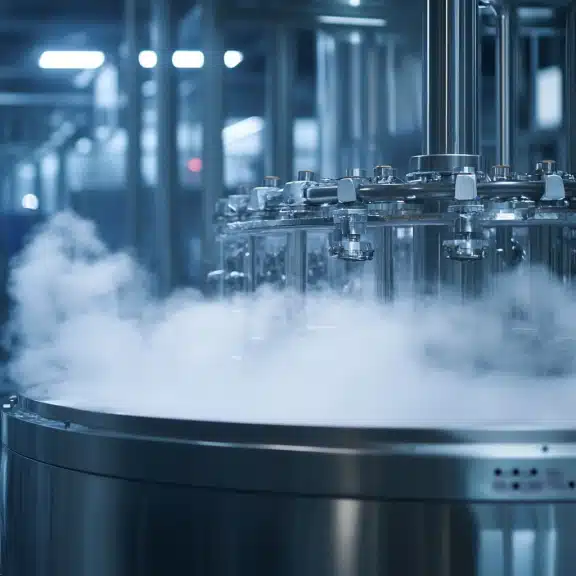
Liquid Nitrogen Containers are essential for safely storing and transporting liquid nitrogen while maintaining extremely low temperatures. Selecting the right container type, insulation, and materials ensures optimal performance and minimizes nitrogen gas leak risks. Compliance with Pressure Vessel Safety Standards and Compliance and regular Pressure Vessel Inspection and Maintenance further enhances safety. Red River provides expertly designed containers that meet industry standards and operational needs, supporting both industrial and laboratory applications.
Choosing the Right Liquid Nitrogen Containers
Dewar flasks, also known as vacuum flasks or thermos flasks, effectively store liquid nitrogen. However, their double-walled design, which features a vacuum between the walls, minimizes heat transfer and keeps the nitrogen at a stable temperature.
Cryogenic Tanks: Industrial-grade Performance
Industries often rely on cryogenic tanks for large-scale liquid nitrogen storage. Furthermore, these robust tanks withstand extreme conditions and are primarily used in settings that require substantial amounts of liquid nitrogen.
Portable Liquid Nitrogen Containers: Mobility and Convenience
Portable containers enable easy transportation of liquid nitrogen. In addition, these smaller vessels suit laboratory work, medical applications, and field operations where mobility is essential.
Specialized Cryo Canisters: Meeting Unique Requirements
In specialized industries, cryo canisters cater to specific needs. Moreover, manufacturers often equip these canisters with enhanced safety features, improved insulation, or custom designs to address unique storage challenges.
Features to Consider When Choosing a Liquid Nitrogen Container
Capacity and Size Options
Liquid nitrogen containers come in a wide range of capacities. Therefore, these options cater to diverse needs, from small-scale laboratory work to large industrial operations.
Material Composition: Stainless Steel vs. Aluminum
The choice of material significantly affects the sturdiness, weight, and insulation properties of the container. Thus, stainless steel and aluminum are popular options, each offering distinct advantages depending on the application.
Insulation Quality: Ensuring Temperature Stability
Effective insulation plays a crucial role in maintaining optimal temperatures and reducing nitrogen loss due to evaporation. As a result, containers equipped with advanced insulation materials ensure better temperature regulation and balance.
Safety Features: Pressure Relief Valves and Nitrogen Gas Leak Detection
Incorporating pressure relief valves and advanced nitrogen gas leak detection systems is essential for preventing dangerous nitrogen gas leak incidents during liquid nitrogen handling. Modern containers feature sophisticated gas monitoring capabilities that can detect even minor nitrogen gas leak situations before they escalate into hazardous conditions. Additionally, these safety systems include automatic pressure relief mechanisms and real-time nitrogen gas leak alerts that enhance the secure management of cryogenic materials and protect personnel from dangerous gas accumulation in work environments.
Preventing Nitrogen Gas Leak Incidents: Critical Safety Considerations
Understanding Nitrogen Gas Leak Risks
A nitrogen gas leak poses serious safety hazards, particularly in enclosed spaces where proper ventilation may be limited. When liquid nitrogen evaporates naturally or through a nitrogen gas leak, it expands approximately 700 times its liquid volume, potentially displacing oxygen and creating life-threatening asphyxiation risks. Understanding and preventing nitrogen gas leak incidents is crucial for maintaining workplace safety and protecting personnel from invisible dangers.
Identifying Signs of a Nitrogen Gas Leak
Early detection of a nitrogen gas leak can prevent dangerous situations and save lives. Key indicators of a potential nitrogen gas leak include:
- Unusual frost formation around fittings, valves, or connection points
- Visible vapor clouds or white mist near the container exterior
- Pressure gauge irregularities or unexpected pressure drops
- Unusual hissing or whistling sounds from the container
- Oxygen level changes or breathing difficulties in the surrounding area
- Ice formation on piping or transfer lines
Emergency Response to Nitrogen Gas Leak Situations
If you suspect a nitrogen gas leak, immediately evacuate the area and ensure proper ventilation by opening doors and windows. Never enter a confined space where a significant nitrogen gas leak has occurred without proper breathing apparatus and established safety protocols. Contact emergency personnel and wait for professional assessment before re-entering areas affected by nitrogen gas leak incidents.
Nitrogen Gas Leak Prevention Strategies
Preventing nitrogen gas leak incidents requires proactive maintenance and monitoring. Install gas detection systems specifically designed to identify nitrogen gas leak situations, conduct regular inspections of all seals and fittings, and ensure proper training for all personnel handling liquid nitrogen containers.
Proper Handling and Maintenance of Liquid Nitrogen Containers
Transporting Liquid Nitrogen Safely
Always use proper techniques when transporting liquid nitrogen to minimize the risk of spills or nitrogen gas leak incidents. Secure containers properly during transport, avoid sudden movements that could damage seals, and ensure adequate ventilation in transport vehicles to prevent nitrogen gas leak accumulation. Careful handling safeguards both the container’s integrity and user safety while preventing potential nitrogen gas leak hazards.
Storage Guidelines to Maintain Cryogenic Integrity
Store containers in well-ventilated areas with appropriate airflow to prevent the buildup of pressure, condensation, or nitrogen gas leak accumulation. Install nitrogen gas leak detection systems in storage areas and ensure emergency ventilation systems are operational. Proper storage ensures optimal performance, safety, and early detection of any nitrogen gas leak situations that may develop.
Routine Inspection and Maintenance Practices
Regular inspections and timely maintenance help identify potential nitrogen gas leak sources before they become dangerous. Check all fittings, valves, and seals for signs of wear that could lead to a nitrogen gas leak. This proactive approach ensures the ongoing functionality and safety of liquid nitrogen containers while preventing nitrogen gas leak incidents through early intervention.
Safety Precautions for Handling Cryogenic Materials
Operators must receive comprehensive training on safety protocols for handling liquid nitrogen, including nitrogen gas leak emergency procedures. Additionally, they should always wear appropriate protective gear and understand how to respond to nitrogen gas leak situations to ensure safe operations and minimize risks to personnel and facilities.
Liquid Nitrogen Containers
Choosing the right Liquid Nitrogen Containers ensures safe storage, consistent temperature control, and regulatory compliance. Selecting proper materials, insulation, and safety features minimizes risks associated with nitrogen gas leaks. Regular inspections and maintenance, guided by industry standards, maximize the performance and longevity of containers. Partnering with Red River guarantees expertly designed and fabricated containers suitable for industrial and laboratory applications.
Need a reliable partner?
Red River specializes in the design and manufacturing of pressure vessels. We also fabricate related items such as prefabricated spools and skid packages.
Reach Out to us today and experience the Red River difference. Where American Made and American Values come together, we care more.
Frequently Asked Questions
1. What is the shelf life of liquid nitrogen in a properly sealed container?
Liquid nitrogen can be stored for extended periods if the container is properly sealed and well-insulated, minimizing evaporation and maintaining its liquid state.
2. Can liquid nitrogen containers be customized for enhanced safety features?
Yes, manufacturers like Red River provide custom containers with pressure relief valves, nitrogen gas leak detection, improved seals, and specialized fittings to reduce risks.
3. What safety precautions should be taken to prevent nitrogen gas leaks?
Use protective equipment, install gas detection systems, ensure proper ventilation, and train personnel in emergency procedures. Regular inspections help identify potential leak sources early.
4. How can I detect if a liquid nitrogen container is leaking?
Look for frost around valves, visible vapor, abnormal pressure readings, unusual sounds, or oxygen displacement. Regular inspections prevent small leaks from becoming hazardous.
5. How often should liquid nitrogen containers undergo inspection?
Inspection frequency depends on usage and operational requirements, but routine checks are essential to maintain safety, integrity, and compliance with Pressure Vessel Safety Standards and Compliance.
6. Can containers be adapted to specific operational needs?
Yes, containers can be tailored in size, material, insulation, and safety features to meet laboratory, industrial, or medical requirements.
7. What are the main materials used in liquid nitrogen container construction?
Common materials include stainless steel, aluminum alloys, polyurethane foam, perlite, and carbon fiber composites, selected for thermal efficiency, durability, and compliance.
8. How do innovations improve liquid nitrogen containers?
Advanced composites, smart sensors, and improved insulation technologies increase efficiency, durability, and safety in modern liquid nitrogen storage solutions.
Key Takeaways
- Choose the right container type for your application’s scale and mobility.
- Prioritize high-quality insulation to reduce evaporation and maintain temperature.
- Ensure containers comply with pressure vessel safety standards and include leak detection.
- Conduct regular inspections and training to prevent accidents and extend container lifespan.
- Leverage innovative materials and sensors to improve safety, efficiency, and sustainability.
Related Blog Post
Can Condensate Storage Improve Reliability?
Where Do Condensate Tanks Fit in a Steam System?
Which Nozzles Simplify Maintenance on Pressure Vessels?
How to Vent Condensate Tanks in Steam Systems
How Do Baffle Layouts Affect Stratification in TES Tanks?
No subpillar set for this blog post.
About Author