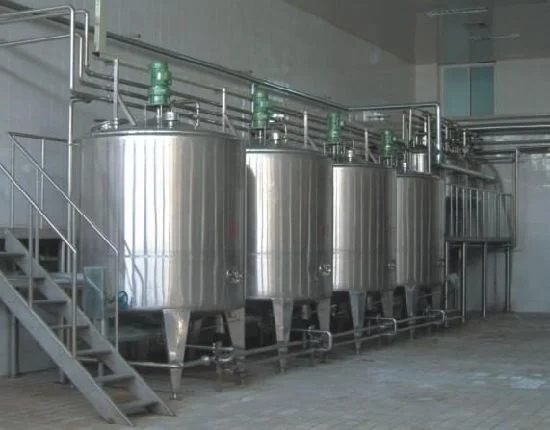
Glycol acts as an antifreeze by lowering the freezing point and raising the boiling point of fluids, protecting engines and industrial systems from extreme temperatures. Ethylene glycol is highly efficient but toxic, while propylene glycol offers a safer, environmentally friendly alternative for sensitive applications.
Introduction to Glycol as Antifreeze
Overview of Antifreeze Solutions
Antifreeze solutions are essential for preventing fluids from freezing in various systems, ranging from vehicle engines to large-scale industrial machinery. These solutions not only lower the freezing point of the fluid but also raise its boiling point, providing comprehensive protection against extreme temperatures.
Importance of Antifreeze in Various Industries
In industries like oil and gas, power generation, and biogas, the role of antifreeze cannot be overstated. It ensures the smooth operation of equipment, prevents costly downtime, and protects against potential damage caused by freezing and overheating.
Common Types of Antifreeze
The most common antifreeze solutions include glycol-based formulations such as ethylene glycol and propylene glycol. Each type has its unique properties and applications, making them versatile for various industrial needs.
What is Glycol?
Chemical Composition of Glycol
Glycol, a type of alcohol, is known for its antifreeze properties. Specifically, its chemical composition includes two hydroxyl groups (-OH) attached to carbon atoms, which, in turn, allows it to effectively lower the freezing point of water.
Types of Glycol: Ethylene and Propylene
The two primary types of glycol used in antifreeze are ethylene glycol and propylene glycol. Among them, ethylene glycol is widely used due to its superior performance. However, propylene glycol is preferred in applications where toxicity is a concern.
Glycol in Everyday Applications
Aside from industrial use, glycol is found in many everyday products, including cosmetics, food, and pharmaceuticals, thanks to its versatility and safety when used appropriately. As a result, it plays a significant role in both commercial and household applications.
The Role of Glycol in Antifreeze
How Glycol Prevents Freezing
Glycol prevents freezing by lowering the freezing point of water through a process called freezing point depression. In other words, this ensures that the fluid remains liquid even at sub-zero temperatures, which is crucial for the functioning of various systems.
Glycol’s Freezing Point Depression
The effectiveness of glycol as an antifreeze agent lies in its ability to significantly depress the freezing point of water. Therefore, this property is vital for protecting engines and industrial equipment from freezing in cold environments.
Thermal Conductivity of Glycol
Glycol also enhances the thermal conductivity of the antifreeze solution, improving heat transfer and ensuring that systems operate efficiently, even under extreme conditions.
Need a reliable partner?
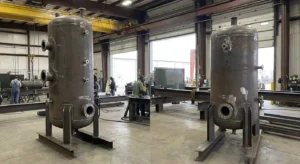
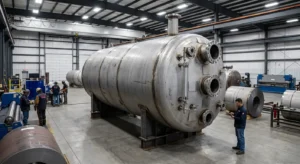
Red River specializes in the design and manufacturing of pressure vessels. We also fabricate related items such as prefabricated spools and skid packages.
Reach Out to us today and experience the Red River difference. Where American Made and American Values come together, we care more.
Frequently Asked Questions
1. What are the main differences between ethylene glycol and propylene glycol?
Ethylene glycol and propylene glycol are both used in antifreeze, but they have distinct differences. Ethylene glycol is more efficient in heat transfer and freezing point depression, making it a preferred choice for industrial applications. However, it is toxic and requires careful handling. Propylene glycol, on the other hand, is less toxic and is often used in applications where safety is a concern, such as in the food industry or in HVAC systems in buildings.
2. How does glycol in antifreeze improve the lifespan of equipment?
Glycol-based antifreeze helps improve the lifespan of equipment by preventing the fluid in the system from freezing and expanding, which can cause damage to the components. Additionally, it prevents overheating by raising the boiling point of the fluid, ensuring efficient operation even under high temperatures. This dual action helps maintain the integrity of the equipment and reduces the risk of costly repairs or replacements.
3. Can glycol-based antifreeze be used in all types of engines?
While glycol-based antifreeze is versatile and widely used, it is essential to use the type recommended by the engine or equipment manufacturer. Some engines are designed specifically to work with ethylene glycol, while others might be compatible with propylene glycol. Always consult the manufacturer’s guidelines to ensure compatibility and optimal performance.
4. What are the environmental impacts of using glycol in antifreeze?
The environmental impact of glycol in antifreeze depends on how it is managed and disposed of. Ethylene glycol is toxic and can be harmful to the environment if not disposed of properly. It is crucial to follow local regulations for disposal and consider using propylene glycol, which is less toxic and more environmentally friendly, for applications where possible.
5. How often should glycol-based antifreeze be replaced in industrial systems?
The frequency of replacing glycol-based antifreeze depends on the type of system and the operating conditions. Generally, it is recommended to check the antifreeze annually and replace it every two to five years. Regular testing of the fluid can help determine its condition and effectiveness, ensuring that it continues to provide adequate protection against freezing and overheating.
Key Takeaways
- Glycol prevents freezing and overheating, ensuring smooth operation of engines and industrial equipment.
- Ethylene glycol provides superior performance but requires careful handling due to toxicity.
- Propylene glycol is safer and suitable for food, HVAC, and environmentally sensitive applications.
- Regular monitoring and replacement of glycol-based antifreeze extend equipment lifespan and maintain system efficiency.
Related Blog Post
Which Materials Suit Make-Up Water Service?
How Big Should Make-Up Water Tanks Be?
Make-Up Water Tanks: Design, Sizing, and Fabrication
When to Spec Equalization Tanks for Industrial Systems
How Do Equalization Tanks Balance Flow?
About Author