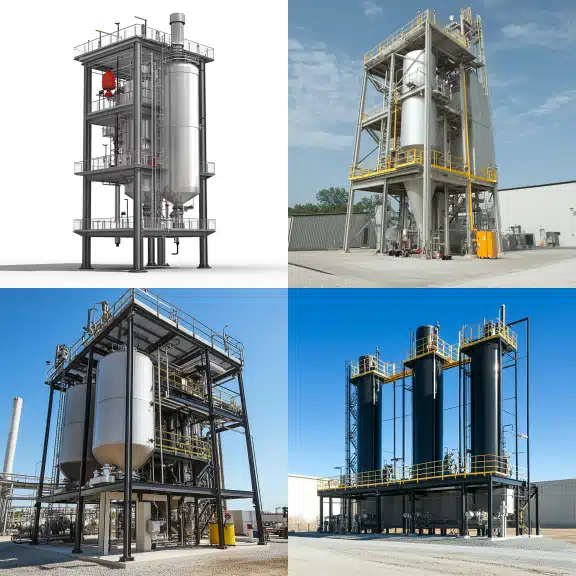
Vertical Separator Design plays a critical role in achieving effective phase separation in industrial processes. This blog explains how vertical separators work, the factors that influence their performance, and what to consider when designing one. It also covers essential safety topics, including Pressure Vessel Safety Standards and Compliance, proper inspection practices, and how vertical separators maintain reliability over time. You will also learn how Red River LLC supports efficient, durable, and safety-compliant vertical separator solutions.
Basics of Vertical Separator Design
When it comes to designing a vertical separator, information on the basics is important. At Red River, we recognize that a nicely designed vertical separator can significantly beautify the efficiency and reliability of your operations, especially in annoying industries like oil and gas, electricity generation, and the past. Let’s destroy down the important elements that make up an effective vertical separator layout.
What is a Vertical Separator?
A vertical separator is an important piece of device in various business techniques, designed to separate fluids of various densities, normally oil, gasoline, and water. The vertical orientation of this separator allows for the herbal gravitational forces to assist within the separation manner, making it incredibly efficient in coping with multi-section flows. At Red River, we focus on crafting separators that meet the specific needs of your enterprise, ensuring that your operations run easily and effectively.
Key Components of a Vertical Separator
Understanding the important thing additives of a vertical separator is crucial to making sure its superior overall performance. A well-designed vertical separator usually consists of an inlet diverter, a mist extractor, and a weir plate, amongst different additives. Each element plays an essential role in the separation system:
- Inlet Diverter: This component slows down the incoming fluid, allowing the initial separation of gas from drinks.
- Mist Extractor: Positioned on the pinnacle of the separator, this detail eliminates small droplets of liquid from the fuel stream.
- Weir Plate: This allows holding the liquid degree, making sure the right separation between oil and water levels.
Applications of Vertical Separators in Industry
Vertical separators are fundamental in industries in which the green separation of oil, gasoline, and water is essential. In the oil and fuel zone, for instance, they are used to manner crude oil to cast off water and fuel before the oil is despatched for refining. Power generation centers make use of vertical separators to put off impurities from steam, ensuring that mills run smoothly and correctly.
Step-through-Step Process for Designing a Vertical Separator
Designing a vertical separator requires a methodical approach to make certain that it meets the specific desires of your operation. At Red River, we comply with a particular step-through-step manner to create separators that aren’t most effective green but are additionally dependable ultimately.
Initial Design Considerations
The first step in designing a vertical separator involves knowledge of the unique requirements of your software. This consists of evaluating the kind of fluids to be separated, the float quotes, running pressures, and temperatures. We additionally do not forget environmental factors and area constraints to make certain the separator suits seamlessly into your facility. At Red River, we emphasize a radical evaluation during this stage to lay a robust basis for the design manner.
Calculating the Separation Requirements
Once the initial issues are in the vicinity, the subsequent step is calculating the separation necessities. This entails figuring out the essential vessel length, retention time, and segment separation performance. We use superior modeling strategies to simulate the separation method, ensuring that the layout will obtain the greatest overall performance underneath real-world situations.
Selecting the Right Materials and Components
The very last step includes deciding on the suitable substances and components for your vertical separator. This consists of choosing materials that could face up to the operating situations, which includes corrosion-resistant alloys for harsh environments. Additionally, deciding on the right internals—like mist extractors and weir plates—is vital for accomplishing the favored separation performance. At Red River, we take satisfaction in using excellent materials and components to make certain your vertical separator is built to closing.
Best Practices for Optimizing Vertical Separator Design
Optimizing the layout of a vertical separator is crucial to make certain that it performs at its quality below operational conditions. At Red River, we adhere to exceptional practices that no longer most effectively beautify efficiency but additionally expand the lifespan of your device.
Ensuring Efficient Separation Performance
To gain green separation overall performance, it’s essential to carefully lay every factor of the separator. This consists of optimizing the inlet layout to lessen turbulence, which can intrude with the separation procedure. Additionally, the right-sizing of the separator is prime; an undersized unit may additionally result in negative separation, while an oversized one may be unnecessarily high-priced. At Red River, we use advanced simulation equipment to fine-song those parameters, ensuring that your vertical separator operates with the most performance.
Common Mistakes to Avoid in Design
There are no unusual pitfalls in vertical separator layout that could compromise overall performance. These encompass mistaken material selection, that may cause premature wear or corrosion, and inadequate section separation, on account of incorrect internal configurations. Avoiding those mistakes requires expertise and a deep expertise in the software. Red River’s crew of skilled engineers is dedicated to getting it right the first time.
Testing and Validating Your Vertical Separator Design
Before finalizing the design, rigorous trying out and validation are important. This consists of accomplishing pilot assessments and computational fluid dynamics (CFD) simulations to make certain the separator will carry out as expected. At Red River, we prioritize thorough testing to validate every layout, presenting you with confidence in the reliability and performance of your vertical separator.
Vertical Separator Design
Vertical Separator Design requires a commitment to engineering precision, safety compliance, and long-term reliability. Every detail, whether related to sizing, materials, or internal configuration plays a role in final performance. By following best practices and adhering to Pressure Vessel Safety Standards and Compliance, you can ensure efficient and dependable operations. RedRiver LLC is dedicated to providing expertly crafted pressure vessels that support your needs with professionalism and quality.
Need a reliable partner?
Red River specializes in the design and manufacturing of pressure vessels. We also fabricate related items such as prefabricated spools and skid packages.
Reach Out to us today and experience the Red River difference. Where American Made and American Values come together, we care more.
Frequently Asked Questions
1. How do engineers determine the best Vertical Separator Design for an application?
Engineers evaluate fluid properties, flow behavior, pressure limits, safety requirements, and separation needs before determining vessel dimensions and selecting internal components.
2. How do pressure vessels comply with safety regulations?
They comply through proper material selection, adherence to ASME standards, documented inspections, and validated design methods that meet compliance requirements.
3. What is ASME code for pressure vessel safety?
It is a set of standards that define rules for pressure vessel design, fabrication, inspection, testing, and certification to ensure safe operation.
4. How often do pressure vessels need to be inspected?
Inspection frequency depends on operating conditions, fluid corrosiveness, and regulatory requirements. Routine inspections support long-term safety.
5. What to include in a pressure vessel inspection checklist?
The checklist typically includes visual checks, corrosion assessment, weld inspection, internal component evaluation, and verification of safety controls.
6. How to inspect a pressure vessel?
Inspections may include external visual checks, internal examinations, nondestructive testing, and evaluation of internal separation components.
7. What are the safety standards for pressure vessels?
These are regulations that outline requirements for safe design, fabrication, operation, and maintenance of pressure vessels.
8. Why is proper material selection important for Vertical Separator Design?
It supports durability, corrosion resistance, safe operation, and long-term equipment performance.
Key Takeaways
- Vertical Separator Design supports efficient phase separation and reliable operation.
- Safety standards and ASME compliance guide proper fabrication and testing.
- Correct sizing and material selection improve long-term performance.
- Internal design optimization enhances separation efficiency.
- Regular inspection strengthens safety and extends equipment lifespan.
Related Blog Post
Sheet Metal Fabrication Services in Texas: Red River LLC
Why Use Custom Sheet Metal Fabrication for Your Next Project
How Does Custom Sheet Metal Fabrication Work?
What Is Custom Sheet Metal Fabrication? Red River LLC
How to Pass the 5G Welding Test: Proven Strategies
No subpillar set for this blog post.
About Author