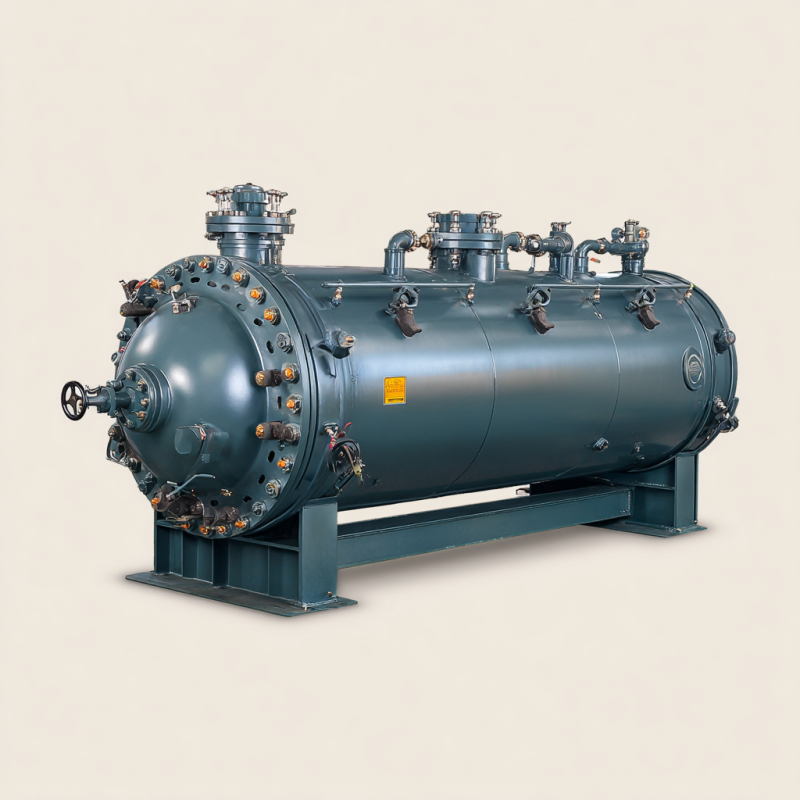
An ASME pressure vessel separator removes water and impurities from fuel or gas under high pressure. It boosts safety, reliability, and efficiency while meeting ASME certification standards.
Understanding What Is an ASME Pressure Vessel Separator
If you work with fuel in commercial or industrial settings, contaminants like water can disrupt operations. Understanding what is an ASME pressure vessel separator provides the solution: a specialized tank built to withstand high pressure while separating water and other impurities from fuels or gases. According to Red River, a leader in contract manufacturing of ASME pressure vessels, these separators improve efficiency, remove contaminants, and ensure regulatory compliance. Meeting ASME standards guarantees every weld, bolt, and seal is executed for safe, long-lasting operation. These separators protect engines, turbines, and pipelines by filtering water, sediment, or other particulates from the main fluid stream.
Why It Matters for Fuel Water Separation
A pressure-rated ASME pressure vessel separator is critical for fuel water separation because it safely handles internal pressure while preventing corrosion or deformation. Water contamination in fuels like diesel, kerosene, or aviation gas can cause rust, microbial growth, and damage to downstream equipment, leading to frequent maintenance or system failure (Red River). Using an ASME pressure vessel separator ensures proper water separation, protects equipment longevity, and helps meet safety and environmental regulations, keeping operations efficient and compliant.
Key Differences from Ordinary Separators
An ASME pressure vessel separator is built to handle extreme pressures and undergoes thorough inspections, including weld checks and hydrotesting, unlike ordinary separators. Made from quality materials like carbon or stainless steel, it offers greater reliability, fewer leaks, and minimal downtime. These vessels are also versatile, handling tasks from diesel fuel purification to gas separation across industries like power generation, mining, and agriculture.
If you want to learn more about a specific type of diesel filter system, check out this resource on what is a diesel pressure vessel filter separator.
Key Benefits: Efficiency, Safety, Reliability
An ASME pressure vessel separator is not just a fancy piece of hardware. You also gain tangible benefits that directly impact your bottom line. Here are three top advantages:
Improved Efficiency
Fuel with water or debris can reduce engine performance, lower combustion quality, and clog essential filters. By installing a dedicated fuel water separator, you reduce these inefficiencies. A 2023 internal assessment at Red River highlighted that prefabricating and installing separators in controlled factory conditions can cut on-site errors and rework by up to 30%. When the vessel is precisely engineered and tested, you can trust the separation process to run at maximum efficiency.
To see more about why this matters for industrial settings, you can explore the idea of an industrial fuel water separator vessel. It explains how large operations, such as power plants or mining facilities, handle high fuel volumes while preventing water contamination.
Enhanced Safety
Water contamination poses serious safety risks, especially in high-pressure systems where corrosion can cause leaks or breakdowns. An ASME pressure vessel separator mitigates these threats with pressure relief valves, corrosion-resistant materials, and robust welds. Red River, an ASME Certified organization with U4 and R stamps (Red River), uses advanced modeling and accurate shop drawings to catch design conflicts before fabrication, ensuring your vessel is safe from day one.
Reduced Downtime and Costs
Equipment failure from water contamination can lead to costly shutdowns and repairs. An ASME pressure vessel separator helps prevent these issues, reducing maintenance on corroded components, clogged lines, or filters. Prefabrication in a controlled facility, combined with BIM modeling, lowers on-site labor, avoids weather delays, and keeps projects on schedule (Red River).
If you are curious about the broader role pressure vessels play in fueling systems, you might explore how a fuel filter vessel water separator works.
Where ASME Pressure Vessel Separators Thrive
Not all industries need the same type of separation, but many fields can benefit from an ASME pressure vessel separator. You will commonly see them in:
- Oil and gas: Separating water or other contaminants from petroleum products is critical for efficiency.
- Power generation: Gas turbines often rely on high-purity fuel. This is where a gas turbine fuel water separator vessel becomes invaluable.
- Mining and mineral extraction: With heavy machinery and extreme conditions, a robust separator helps keep fuel lines clean.
- Agriculture: Storage tanks and irrigation pumps rely on contaminant-free diesel to operate effectively.
- Aviation: Fuel purity is paramount to flight safety, making water removal a top priority.
In any of these scenarios, having gear that meets ASME standards ensures reliability even in high-pressure or corrosive environments. If you need a specific solution like a fuel oil pressure vessel separator, you can find specialized designs tailored to your industry’s needs.
How a Typical ASME Pressure Vessel Separator Works
- Inlet: Fuel or gas enters through an inlet port at a pressure that usually forces the liquid or gas to flow into the separator.
- Internal components: Inside, the fluid encounters filters, baffles, or coalescers that trap or collect water droplets and other impurities. Design details vary, but the principal idea is to create conditions where water separates from the main fuel stream.
- Collection zone: Heavier particles and water sink to the bottom, while purified fuel or gas flows upward. This phenomenon relies on factors like density differences and gravity.
- Outlet: Cleaned fuel exits a separate outlet, heading downstream for use or storage. Water drains through a different port or is automatically purged, depending on your setup.
This multi-stage process greatly reduces the risk of contamination, boosting your system’s overall efficiency and safety. If you are keen to see how it operates in diesel systems, check out how does a diesel pressure vessel separator work.
Why Prefabrication Matters
Prefabrication is key when working with an ASME pressure vessel separator. Red River, specializing in prefabricated facilities and modular skids, shows that assembling components in a controlled, tech-driven shop is faster and more accurate than on-site. It reduces weather disruptions, uncovers design clashes early through 3D modeling, and lowers labor hours by using skilled workers efficiently in a controlled environment.
Challenges and Considerations
While an ASME pressure vessel separator offers myriad advantages, here are a few items to keep in mind:
- Initial cost: These vessels can be more expensive than basic filters or tanks. However, the long-term savings often outweigh the upfront costs.
- Size and space: High-pressure vessels typically require more room due to thicker walls and accounting for piping connections. Plan your facility layout in advance.
- Maintenance interval: Although they reduce the frequency of repairs, you still need routine checks on seals, valves, and internal components.
- Regulatory requirements: Every region has its own codes for installation and operation. Ensure your system meets local standards for safe operation.
If you handle significant quantities of fuel for industrial or commercial applications, you may also want to compare different separation approaches. For instance, you could look at what is an industrial fuel water separator vessel for more specialized setups.
What Is an ASME Pressure Vessel Separator and Why It Matters
Investing in an ASME pressure vessel separator ensures operational safety, protects equipment from contamination, and improves compliance. This code-compliant, precision-engineered system delivers long-term reliability, reduces downtime and repairs, and enhances performance for any operation handling water-free fuel.
Take The Next Step with an ASME Pressure Vessel Separator
Choosing the right separator can change the way your facility runs. Contact trusted ASME-certified manufacturers today to design a system tailored to your needs and safeguard your operations.
Frequently Asked Questions
1. Why must separators be ASME pressure vessels?
ASME certification ensures the separator meets strict safety, design, and testing requirements for high-pressure operations.
2. How does an ASME certified pressure vessel separator work?
It separates fluids using gravity and pressure differences with internal baffles and settling sections for efficient phase removal.
3. Is an ASME pressure vessel separator only for large industrial plants?
Not necessarily. While many large plants use them, smaller operations can also benefit, especially if water contamination poses a consistent threat.
4. How often should I drain the separated water?
It varies by usage level and fuel quality. Some systems have automatic drains, while others require manual checks. Either way, regular inspection is key.
5. Can I retrofit an existing fuel system with an ASME pressure vessel separator?
In many cases, yes. A specialist can evaluate your current layout and recommend a suitable vessel or skid package that integrates with your existing infrastructure.
Key Takeaways
- Water contamination is a silent threat: Even trace amounts of water can corrode machinery and degrade fuel quality.
- ASME certification ensures reliability: This code-based approach confirms the vessel’s structural integrity and adherence to high safety standards.
- Prefabrication cuts costs and downtime: Building in a controlled environment reduces errors, speeds up assembly, and simplifies on-site installation.
- Regular maintenance matters: Although less prone to failure, these separators still need routine checks on valves and filter elements.
- Long-term benefits outweigh upfront costs: Enhanced system reliability, reduced repairs, and better compliance make this investment valuable over time.
Related Blog Post
Pressure Vessel Design & Engineering: Concept to Launch
What is Pressure Vessel Design and Engineering: Code-Ready Guide
What are the Key Factors in Pressure Vessel Engineering
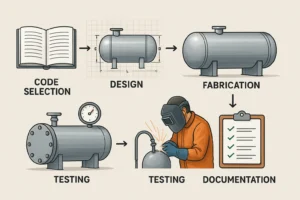
How Do You Design a Pressure Vessel: A Step-By-Step Guide
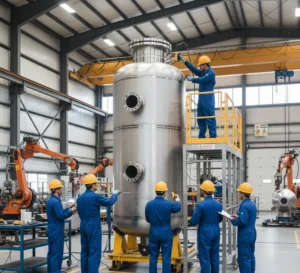
What is Pressure Vessel Fabrication and Manufacturing
- Gas Turbine Fuel Water Separator Vessel Guide
- Top Reasons to Use a Fuel Oil Pressure Vessel Separator, Red River
- Fuel Filter Vessel Water Separator: RedRiver LLC
- Maximize Performance with ASME Pressure Vessel Separator
- What to Know Before Buying an Industrial Fuel Water Separator Vessel
- Diesel Pressure Vessel Filter Separator – Red River LLC
About Author