

An industrial fuel water separator vessel removes water and contaminants from fuel to protect equipment, improve safety, and ensure consistent performance. Prefabrication makes these vessels even more reliable and cost-efficient.
Understanding What Is an Industrial Fuel Water Separator Vessel
An industrial fuel water separator vessel is a pressurized container designed to remove water, sediment, and impurities from fuel, ensuring quality, preventing engine damage, and supporting reliable industrial operations. By using gravity, filters, or coalescers, these vessels separate contaminants so only clean fuel remains. When built under controlled prefabrication conditions, they reduce errors and costs, while ASME-certified models guarantee safety and compliance. Available in vertical or horizontal designs, they are essential for industries like power generation, oil and gas, and manufacturing to keep systems efficient and downtime low.
Why Fuel Water Separation Matters
You might wonder: is water in fuel really that big of a problem? The short answer is yes, especially in industrial environments where mixed or contaminated fuel can derail operations. Water is usually heavier than hydrocarbons, so it tends to settle at the bottom of fuel tanks or pass into your lines, creating corrosion or bacterial growth. Left unchecked, this moisture can cause expensive damage and disrupt production schedules.
Corrosion Concerns
If water lingers in your fuel supply, it can corrode metallic components like pipelines, injectors, and pumps. Over time, tiny rust particles can spread, clog filters, and reduce the efficiency of your systems.
Inconsistent Performance
The presence of water can dilute fuel and lead to rough engine performance. For industries that require precision like aviation or power generation a stable and high-quality fuel supply is essential.
Regulatory Compliance
Many regions have standards guiding acceptable water and contaminants in industrial fuels. Without proper separation, you risk noncompliance that can result in fines or facility downtime.
From a safety standpoint, a well-maintained fuel water separator vessel also cuts the risk of leaks or hazardous reactions. Keeping water out helps prevent temperature swings in the fuel system (such as freezing conditions), so your equipment operates under predictable, stable conditions. If you want to dig deeper into the vessel’s importance, you can explore why industrial fuel water separator vessels are important for additional details on how they safeguard performance and protect worker safety.
Key Components and Operation
Every industrial fuel water separator vessel contains specific core parts designed to meet your particular application. Although details can vary, most industrial models follow a multi-stage approach, combining filtration elements and physical separation techniques:
Shell or Housing
This is the outer booking agent of the system. Typically made of steel or a steel alloy, the shell has to endure high internal pressures. You want a material that can resist corrosion and hold its shape when exposed to thermal expansion or mechanical stress.
Inlet and Outlet Lines
Fuel enters through the inlet at a controlled flow rate. Within the vessel, water droplets and contaminants settle or get trapped in filters. Finally, the clean fuel exits through an outlet pipe. Equipping these lines with valves makes it easier to regulate flow, ensuring consistent operation.
Filters and Coalescers
Many designs use specialized filter cartridges. One type is a coalescer, which merges small water droplets into bigger ones so they sink faster. Another type is a separator element that repels water while letting fuel pass. Together, these components remove finer particles, like dirt or rust flakes.
Water Collection or Drain
Once water accumulates at the bottom of the vessel, a drain or purge line lets you remove it safely. In some systems, automated sensors detect a high water level and trigger the drain. Keeping an eye on this step is vital for smooth operation.
Pressure Gauges and Instrumentation
Gauges help you spot clogs or a drop in system efficiency. You might see differential pressure gauges across the filter when the pressure difference climbs, it is time to switch that filter out. Some vessels include temperature sensors too, so you can watch for overheating or freezing issues.
Here is a quick table that outlines common features and why they matter:
| Component | Purpose |
| Shell/Housing | Withstands internal pressure |
| Coalescers | Combine smaller water droplets |
| Separator Elements | Repel water, pass fuel |
| Drain/Water Hookups | Remove collected water |
| Instrumentation | Monitor pressure, temperature, safety |
Having these features in place means you are less likely to see unexpected shutdowns or compromised product quality. Each component handles a piece of the separation puzzle, so if any single part fails, your whole operation could slow down. If you want to learn more about how these vessels do their job in a step-by-step manner, take a look at how does an industrial fuel water separator vessel work.
Benefits of Prefabrication
Prefabrication means building components, sometimes entire vessels or modules off-site in a controlled environment before shipping them to your location. For industrial fuel water separator vessels, this approach comes with several advantages:
Less On-site Risk
According to Red River, prefabrication can help reduce on-site labor hours. The less time people spend welding and assembling in remote, possibly hazardous areas, the lower the exposure to accidents. That is especially important if your facility deals with heavy equipment or flammable fuels.
Controlled Quality
When fabricators construct a vessel in a specialized production facility, they can use advanced modeling, high-end tools, and consistent protocols. This control is why many prefabricators, such as Red River, can achieve fewer defects and tighter tolerances.
Shorter Lead Times
You benefit from a more streamlined supply chain. Workers can build modules in parallel rather than pausing on every small step for on-site approvals. Once completed, the vessel arrives at your location, ready to be installed faster than if you had done everything piece by piece on-site.
Predictable Costs
Good news, prefabrication often translates to precise cost estimates. You will not face as many last-minute change orders triggered by weather or local labor constraints. Less guesswork means better budget control, so you can allocate resources elsewhere.
What Is an Industrial Fuel Water Separator Vessel and Why It Matters
An industrial fuel water separator vessel is more than just a tank—it is an engineered solution that ensures clean fuel, efficient operations, and equipment safety by preventing corrosion and meeting compliance standards. Prefabrication enhances reliability by minimizing on-site risks, improving quality, and keeping costs predictable. When considering investment, it’s vital to assess fuel requirements, flow rates, and potential contaminants, while also exploring prefabrication options for smoother project execution. Across industries like energy, chemical processing, and aviation, these vessels play a critical role in maintaining uninterrupted, clean operations.
Take Action with Your Industrial Fuel Water Separator Vessel
Ready to safeguard your operations? Contact Red River today for customized industrial fuel water separator vessel solutions built for your industry needs.
Frequently Asked Questions
1. How does an industrial fuel water separator vessel work?
It separates water and impurities from fuel using gravity, density differences, and internal components like baffles, coalescers, or demister pads. Water collects in a lower chamber while clean fuel flows to the outlet for safe use.
2. Why are industrial fuel water separator vessels important?
These vessels protect machinery from corrosion, prevent engine or system malfunctions, improve efficiency, and help facilities comply with safety and environmental regulations.
3. What types of industries use industrial fuel water separator vessels?
You will find them in oil and gas, power generation, aviation, manufacturing plants, and almost any environment that demands high-quality, uncontaminated fuel. These vessels are especially useful where fuel reliability has a direct impact on process uptime and safety.
4. How often should I drain collected water?
Most designs include a drain port or automated system. You should monitor the water level daily or weekly, depending on usage. If your vessel has pressure or water-level sensors, follow the recommended intervals in the manufacturer’s guidelines.
5. Are these vessels different from diesel pressure vessel filter separators?
A diesel pressure vessel filter separator is typically used for diesel-specific applications. The industrial fuel water separator vessel can handle diesel, but it may also serve multiple fuel types. You can learn more details at diesel pressure vessel filter separator.
Key Takeaway
- Monitoring water in fuel is crucial if you want to prevent corrosion and protect equipment.
- A quality industrial fuel water separator vessel uses multi-stage processes to remove water and impurities.
- Components include a sturdy shell, filtration elements, water drains, and instrument gauges.
- Prefabrication supports higher quality, better safety, and reduced on-site labor risks.
- Regular checks and drain intervals will help you keep your system running smoothly for years to come.
Related Blog Post
Pressure Vessel Design & Engineering: Concept to Launch
What is Pressure Vessel Design and Engineering: Code-Ready Guide
What are the Key Factors in Pressure Vessel Engineering
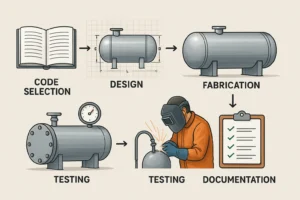
How Do You Design a Pressure Vessel: A Step-By-Step Guide
What is Pressure Vessel Fabrication and Manufacturing
About Author



