

Spherical cryogenic tanks offer exceptional efficiency, durability, and stability for storing materials at extremely low temperatures. Their geometry minimizes heat transfer, improves pressure distribution, and delivers long-term reliability in demanding industrial environments. Understanding Spherical Cryogenic Tank Advantages helps operators choose systems that support safety, consistency, and compliance with modern standards. These tanks remain a preferred option across industries requiring highly stable containment solutions.
Understanding Spherical Cryogenic Tank Advantages
Spherical Cryogenic Tank Advantages begins with the unique geometry that supports exceptional performance under low-temperature and high-pressure conditions. These tanks maintain temperature stability, reduce heat ingress, and provide a dependable storage structure for sensitive materials. Their design supports enhanced safety, compliance, and operational flexibility within different industrial applications.
Why Geometry Matters
Cryogenic storage relies heavily on shape efficiency. The spherical form distributes pressure evenly across the entire structure. This eliminates stress concentration points and improves overall structural durability. This design also accommodates internal expansion and contraction caused by extreme temperature variations.
Core Benefits of Spherical Cryogenic Tanks
Superior Temperature Control
The reduced surface area of spherical tanks naturally limits environmental heat exposure. This provides an advantage by decreasing cooling demands and improving energy retention. It also helps maintain stable temperatures for long-term storage.
Improved Pressure Management
Because pressure spreads evenly across the spherical shape, the tank can withstand demanding conditions with minimal structural fatigue. This uniform distribution extends service life and supports operational safety.
Reduced Insulation Requirements
Spherical tanks limit the need for complex insulation systems because of their efficient shape. Lower insulation demand leads to reduced operational expenses and simplified maintenance.
Long-Term Durability
Cryogenic tanks must withstand temperature cycling, environmental exposure, and internal pressure changes. The spherical structure provides natural reinforcement, making it ideal for long-term service.
Adaptability Across Industries
Many sectors look for reliable cryogenic containment systems. These tanks support applications involving liquefied gases, sensitive compounds, and temperature-controlled materials. Their robust structure brings flexibility and dependable performance over extended use.
Engineering the Spherical Cryogenic Structure
Materials Selected for Cryogenic Resistance
Manufacturers select high-strength alloys engineered to maintain integrity under extreme temperatures. These alloys perform reliably and resist brittleness, cracking, and thermal deformation. Material selection focuses on structural consistency, corrosion resistance, and cryogenic stability.
Fabrication Methods for Precision and Reliability
Engineering teams apply advanced manufacturing techniques including controlled welding and testing protocols. Fabrication practices prioritize precision during assembly to ensure consistent performance. Throughout production, each part undergoes structured evaluations to meet design and compliance requirements.
Safety Integration in Design Practices
Spherical tanks include built-in safety mechanisms such as relief systems, monitoring technologies, and temperature regulation components. Designers incorporate redundant safeguards to reduce risk and provide system stability during unexpected operating conditions. These safety elements align with strict quality expectations and industry standards.
Connection to Essential Industry Standards
While discussing Spherical Cryogenic Tank Advantages, it is important to highlight the standards and requirements relevant to large-scale containment equipment. Many foundational principles apply across pressure-retaining systems, including fabrication rules, inspection methods, and maintenance protocols.
The following secondary keywords are included naturally, as required:
Pressure Vessel Safety Standards and Compliance
Cryogenic systems must adhere to strict construction rules to maintain quality and operational stability. Pressure vessel safety standards and compliance measures support proper fabrication and ongoing performance monitoring.
What Are the Safety Standards for Pressure Vessels
These standards include guidelines for material selection, welding practices, and verification processes. They help ensure that structural design supports safe performance throughout a vessel’s operational life.
What Is ASME Code for Pressure Vessel Safety
The ASME Code outlines essential criteria for pressure-retaining structures. These criteria ensure quality, safe design practices, and reliable performance. Cryogenic tanks often follow principles related to pressure integrity and structural expectations.
Pressure Vessel Inspection and Maintenance
Ongoing inspection helps verify safe operation under high-stress conditions. Maintenance practices focus on evaluating weld condition, surface quality, and thermal performance to support long-term reliability.
How Do Pressure Vessels Comply With Safety Regulations
Vessels follow structured procedures including documented inspections, verified fabrication methods, and compliance reporting. These elements ensure that each system remains safe and reliable during operation.
How to Inspect a Pressure Vessel
Inspection practices include evaluating structural surfaces, checking internal components, and monitoring pressure consistency. Non-destructive testing helps identify early signs of degradation.
What to Include in a Pressure Vessel Inspection Checklist
Inspection lists typically reference weld quality, surface condition, pressure monitoring, and operating components. These elements ensure each vessel performs safely and maintains structural reliability over time.
How Often Do Pressure Vessels Need to Be Inspected
Inspection frequency varies based on system age, operating environment, and regulatory expectations. Regular monitoring supports safe operation and consistent performance.
Spherical Cryogenic Tank Advantages
Spherical Cryogenic Tank Advantages signifies a combination of efficiency, stability, and reliability for cryogenic storage. Their structure limits heat transfer, supports long-term performance, and meets demanding requirements for sensitive materials. These tanks provide dependable solutions supported by engineering principles and enhanced safety measures. Their adaptability makes them a strong option for industrial systems requiring consistent cold-temperature containment.
Partner With Experts Committed to Quality
Need a reliable partner?
Red River specializes in the design and manufacturing of pressure vessels. We also fabricate related items such as prefabricated spools and skid packages.
Reach out today and experience the Red River difference.
Where American Made and American Values come together, we care more.
Visit: https://www.redriver.team/
Frequently Asked Questions
1. What makes spherical cryogenic tanks more efficient than other shapes?
The spherical shape provides a reduced surface area, limiting heat transfer and delivering improved temperature stability for cryogenic materials.
2. How do spherical tanks support safety at extremely low temperatures?
Their uniform pressure distribution and built-in safety features help reduce structural stress and maintain operational integrity.
3. What materials are commonly used to build spherical cryogenic tanks?
Manufacturers use alloys engineered for cryogenic resistance, ensuring long-term structural performance.
4. Why do industries prefer spherical tanks for cryogenic storage?
Their stability, efficiency, and durability make them a reliable choice for handling sensitive, temperature-dependent materials.
5. How do engineers ensure the structural reliability of spherical tanks?
Teams apply advanced fabrication methods, precise welding practices, and rigorous testing protocols to maintain quality.
6. What inspection elements apply to cryogenic tank design?
Inspection focuses on welds, external surfaces, pressure regulation features, and structural condition.
7. How do safety standards influence cryogenic tank manufacturing?
Safety standards guide material selection, fabrication processes, and verification practices to ensure reliable operation.
8. How does geometry increase tank durability?
The spherical structure reduces stress points and enhances pressure stability throughout the system.
Key Takeaways
- Spherical tanks offer strong advantages in temperature stability and pressure management.
- Structural design supports long-term performance for cryogenic materials.
- High-strength alloys and safety features enhance reliability.
- Engineering standards help ensure consistent performance and safety.
- These tanks deliver efficiency and durability across industrial applications.
Related Blog Post
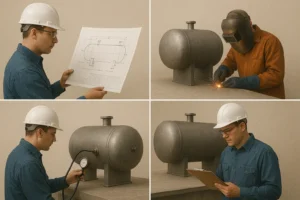
Pressure Vessel Design & Engineering: Concept to Launch

What is Pressure Vessel Design and Engineering: Code-Ready Guide
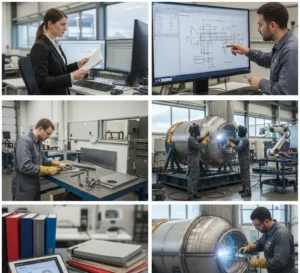
What are the Key Factors in Pressure Vessel Engineering

How Do You Design a Pressure Vessel: A Step-By-Step Guide
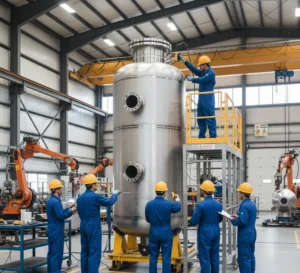
What is Pressure Vessel Fabrication and Manufacturing
No related articles found.
About Author



