
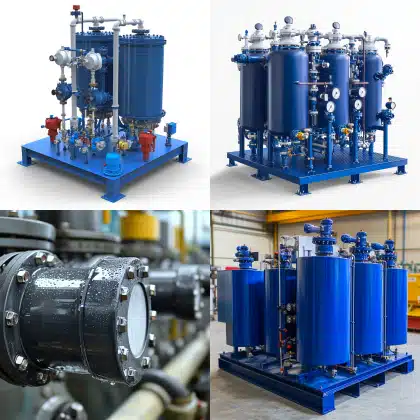
Coalescers are essential devices used in industrial oil-water separation systems. They work by merging small oil droplets into larger ones for easier removal, improving water purity and oil recovery. This guide breaks down the types, benefits, and selection tips for effective coalescer use across industries.
What Is a Coalescer?
A coalescer is a device that separates oil from water by encouraging smaller oil droplets to combine into larger ones, which are easier to separate. Used in mechanical and electrostatic formats, coalescers are vital for improving water quality and meeting environmental standards in industries like oil and gas, petrochemicals, and wastewater treatment. You can learn more about oil-water separators in our article on Oil and Gas Industry’s Use of Pressure Vessels.
How Does a Coalescer Work?
In oil-water mixtures, dispersed oil droplets are often too small to separate efficiently using gravity alone. A coalescer introduces physical or electrical mechanisms that merge these droplets, increasing their size and allowing for effective removal. The process enhances both oil recovery and water discharge quality. For more technical details on vessel separation, explore Understanding Oil-Water Separators.
Types of Oil-Water Separation Coalescers
Mechanical Coalescers
These rely on physical elements such as:
- Mesh Pads
- Inclined Plates
- Coalescing Filters
How they work: Oil droplets collide with surfaces inside the coalescer, merge, and rise to the top due to buoyancy.
Pros:
- Simple, low-cost
- Low maintenance
Cons:
- Less effective with emulsified oils
- Requires periodic cleaning
Best for: Oil & gas, wastewater, general industrial use
Electrostatic Coalescers
Use high-voltage electric fields to polarize and attract oil droplets, making them combine faster.
Pros:
- Highly effective on emulsified oil
- Fast separation
Cons:
- Higher cost and energy use
- Requires more maintenance
Best for: Petroleum refining, offshore production, chemical processing
Application-Specific Coalescers
These are custom-designed for:
- High flow environments
- Harsh chemicals
- Hygienic or food-grade conditions
Red River manufactures tailored coalescers built to meet unique operational demands.
Benefits of Oil-Water Separation Coalescers
Enhanced Separation Efficiency
By merging tiny oil droplets, coalescers drastically improve separation rates. For example, systems using mechanical coalescers have achieved up to a 90% reduction in oil content in treated water. Read more on the role of separators in industrial processes.
Lower Operating Costs
Coalescers can reduce reliance on chemical treatments and minimize additional filtration needs, cutting downtime caused by clogging. Companies have reported 20–30% cost reductions compared to traditional separation systems. Learn more about oil-water separators.
Environmental Compliance
Coalescers help meet EPA discharge standards by limiting oil discharge in wastewater. This protects aquatic ecosystems and reduces fines.
Choosing the Right Coalescer
When selecting a coalescer, key factors to consider include:
- Flow Rate: Ensure the unit can handle your peak water-oil mixture volume.
- Oil Concentration & Type: Emulsified oils require electrostatic coalescers.
- Material Compatibility: Use corrosion-resistant materials like stainless steel in harsh settings.
- Maintenance Access: Choose designs that allow for easy inspection and filter replacement.
For expert consultations and pilot testing to ensure proper sizing and performance, explore our pressure vessel sizing guide.
Maintenance and Lifespan
To maintain your coalescer’s efficiency, follow these steps:
- Regularly clean filters to prevent fouling.
- Monitor pressure drops and output quality.
- Use manufacturer-approved parts for replacements.
With proper care, coalescers can last 5–10+ years, providing long-term value. Learn more about pressure vessel maintenance.
Why Red River?
Red River is a trusted manufacturer of precision-engineered pressure vessels and separator systems. We design and deliver mechanical and electrostatic coalescers tailored to your application. Whether you’re handling emulsified oil, high-volume flows, or aggressive chemicals we build systems that perform.
Reach out today and experience the Red River difference. Built in America. Backed by values.
Frequently Asked Questions
1. Which industries use coalescers?
Oil & gas, petrochemicals, manufacturing, wastewater treatment, and power generation.
2. How do I size a coalescer for my operation?
Consider flow rate, oil content, fluid characteristics, and space constraints. A technical consultant or pilot test can help.
3. Can coalescers be cleaned and reused?
Yes. Mechanical coalescers can be cleaned with pressure wash or chemical soak. Electrostatic types require more specialized maintenance.
4. What oils can coalescers handle?
Free oil, dispersed oil, and emulsified oil with proper design and configuration.
5. What environmental benefit do coalescers offer?
They reduce oil contamination in discharged water, protecting ecosystems and supporting EPA compliance.
Key Takeaways:
- Coalescers improve oil-water separation by aggregating dispersed oil droplets.
- Mechanical and electrostatic coalescers are the two main types.
- Industries like oil & gas, wastewater treatment, and power generation rely heavily on these systems.
- Choosing the right coalescer depends on flow rate, oil type, and chemical compatibility.
Related Blog Post
Can Condensate Storage Improve Reliability?
Where Do Condensate Tanks Fit in a Steam System?
Which Nozzles Simplify Maintenance on Pressure Vessels?
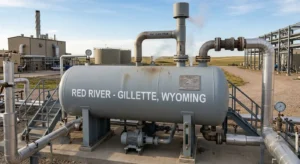
How to Vent Condensate Tanks in Steam Systems
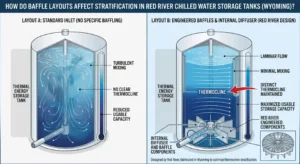
How Do Baffle Layouts Affect Stratification in TES Tanks?
About Author



