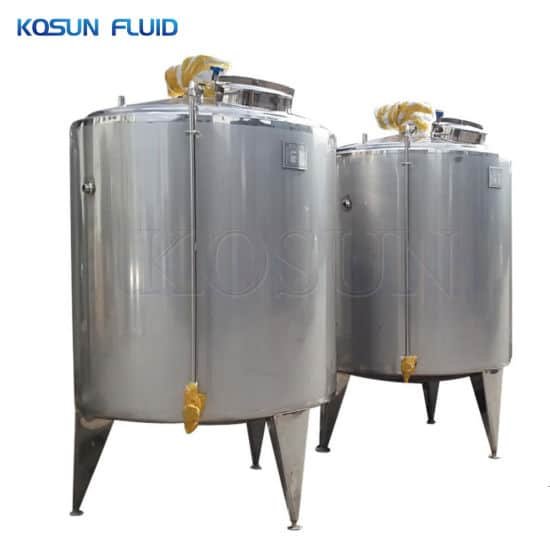
Glycol is not the same as coolant, but it is the primary ingredient that makes coolant effective. Coolant is a mixture of glycol, water, and corrosion-inhibiting additives that protect systems from freezing, overheating, and internal damage. Understanding this difference helps operators choose the correct fluid for performance, safety, and equipment lifespan. This guide explains how glycol works, where it’s used, and how it connects to pressure vessel safety, inspection, and maintenance practices.
Understanding How Is Glycol the Same as Coolant Impacts System Performance
Do you wonder what’s glycol and why so many industries rely on it? When you understand glycol, you can make better choices about cooling systems, product safety, and efficiency. In this article, you’ll get a clear answer to “what’s glycol,” see why it matters, and learn exactly how it stacks up against coolant. We’ll guide you step by step—with real examples and direct answers to your top questions.
What Is Glycol? The Basics and Key Types
Glycol belongs to a family of alcohol compounds with powerful uses in everything from car engines to food products. The most common types you’ll find are ethylene glycol and propylene glycol.
- Ethylene glycol serves as the standard for automotive antifreeze and industrial coolants. This chemical delivers excellent heat transfer, but you must handle it carefully due to its toxicity.
- Propylene glycol offers similar benefits while staying much safer for people and pets. That’s why you’ll find propylene glycol in foods, pharmaceuticals, and HVAC applications.
You can learn how glycol supports cooling in our guide on glycol cooling systems.
For chemical details, explore ethylene glycol on Wikipedia.
Is Glycol the Same as Coolant? Let’s Clear Up the Confusion
Many people mix up glycol and coolant, but they have key differences. Coolant refers to a ready-to-use blend that contains glycol (either ethylene or propylene), water, and additives that fight freezing, boiling, and corrosion. Glycol acts as a main ingredient in this mix, but you need water and special additives to achieve year-round protection.
Take a look at how glycol operates in boiler systems to see a real-world example.
You’ll find more scientific background at the propylene glycol Wikipedia page.
Types of Glycol: Ethylene, Propylene, and Polyethylene
Let’s break down the major types of glycol:
- Ethylene Glycol: Delivers outstanding thermal performance, making it ideal for car engines and heavy machinery. Remember, you need to treat it with care because it’s toxic.
- Propylene Glycol: Gives you a safer alternative. Use this type for food processing, personal care, or when safety matters most.
- Polyethylene Glycol (PEG): Works well in cosmetics and pharmaceuticals. You shouldn’t use PEG in coolants.
Discover more in The Uses of Glycol.
Why Choose Glycol-Based Coolant? Safety, Efficiency, and More
If you want year-round performance, glycol-based coolants protect your systems from freezing in winter and overheating in summer. Ethylene glycol handles extreme temperatures but poses a toxicity risk. If you care about safety, choose propylene glycol, which works well for food, beverage, and sensitive environments.
Read The Benefits of Glycol Over Water to understand why glycol beats water in critical systems.
For eco-friendly handling, follow EPA guidelines.
The Essential Role of Glycol—More Than Just Coolant
You now see how glycol supports engines, HVAC, and even food production. Glycol stands as the active core of most coolants, but you must pair it with water and the right additives for best results. If you want to learn more, read What is Glycol Used for Cooling? or Why Glycol is Sometimes Called Antifreeze.
Understanding How Is Glycol the Same as Coolant Improves System Reliability
While many assume is glycol the same as coolant, the difference is critical. Glycol is the base chemical responsible for freeze and boil protection, but coolant is the complete, balanced mixture that ensures system safety and efficiency. Using the correct coolant blend helps systems stay compliant with safety standards, reduces corrosion risk, and ensures long equipment life. With proper inspection and maintenance, glycol-based coolants keep pressure-related systems operating at peak performance.
Ready to Take Action?
Thinking of switching to glycol for your equipment? Explore How a Glycol System Works. Our team will help you plan, install, and maintain high-performance cooling solutions. You can count on Red River for unmatched quality and support.
Frequently Asked Questions
1. Is glycol the same as coolant?
Glycol is the primary ingredient in coolant, but coolant is a full mixture of glycol, water, and additives designed to protect systems year-round.
2. Can I use glycol alone without adding water?
No. Using pure glycol reduces heat-transfer efficiency and can damage the system. A balanced coolant mixture is necessary.
3. What type of glycol is used in coolant?
Ethylene glycol is common for engines and industrial systems, while propylene glycol is preferred for food-safe or low-toxicity environments.
4. Does glycol coolant help prevent corrosion?
Yes. Coolants contain additives that fight corrosion, scale buildup, and internal oxidation.
5. How often should glycol-based coolant be replaced?
Replacement depends on system type, additive decay rate, and operating conditions. Regular testing helps determine timing.
6. Can glycol damage pressure vessels?
Improper concentration or degraded inhibitors can accelerate corrosion, making routine inspections essential.
7. What are the safety standards for pressure vessels in glycol systems?
Standards follow ASME codes requiring proper design, fabrication, inspection, and documented pressure compliance.
8. What should be checked during a pressure vessel inspection?
Key areas include structural integrity, pressure levels, weld condition, and coolant mixture quality.
9. Is propylene glycol safer than ethylene glycol?
Yes. Propylene glycol is less toxic and used in applications where safety around people or products is required.
10. Can coolant mixtures vary by industry?
Yes. Different operating temperatures and materials require specific glycol ratios and additive types.
Key Takeaways
- Glycol is not coolant, but it is the active ingredient inside coolant mixtures.
- Coolant requires glycol, water, and inhibitors for complete system protection.
- Pressure vessels must follow strict safety and inspection standards.
- Regular maintenance of glycol mixtures prevents corrosion and system failure.
- Glycol-based coolant supports reliability in HVAC, engines, refrigeration, and industrial systems.
Related Blog Post

Pressure Vessel Design & Engineering: Concept to Launch

What is Pressure Vessel Design and Engineering: Code-Ready Guide

What are the Key Factors in Pressure Vessel Engineering
How Do You Design a Pressure Vessel: A Step-By-Step Guide
What is Pressure Vessel Fabrication and Manufacturing
About Author