
Understanding the difference between a marine engineer vs. ship engineer is essential for anyone exploring engineering careers in the maritime sector. These professions share similarities but have distinct responsibilities, skill sets, and areas of specialization. Marine engineers mainly focus on propulsion and mechanical systems, while ship engineers oversee broader vessel operations, including structural and electrical systems. This guide breaks down education, skill sets, applications, and career paths to help readers distinguish between the two engineering roles.
Marine Engineer vs. Ship Engineer
Welcome to the world of marine and deliver engineering! In this guide, we’ll navigate the nuances among these charming professions. Whether you are setting sail in the maritime enterprise or taking into account a career in ship-associated engineering, understanding the important thing differences is essential.
Understanding the Roles of Marine Engineer vs. Ship Engineer
Defining Marine Engineering
Embark on a journey to find the duties and duties that define the realm of marine engineering. Explore the academic historical past and vital abilities required to navigate the excessive seas of this captivating profession.
Unpacking Ship Engineering
Dive deep into the world of ship engineering as we unveil the jobs, features, and know-how required to make sure easy sailing within the maritime zone. Discover the instructional pathways and competencies required to excel as a delivery engineer.
Educational Paths and Training for Marine Engineer vs. Ship Engineer
Marine Engineering Programs
Chart your course through educational programs and stages tailored for aspiring marine engineers. Explore specializations inside marine engineering that set the inspiration for a successful profession in this dynamic field.
Ship Engineering Education
Navigate the instructional paths designed for future ship engineers. Understand the certification and training necessities that prepare individuals for the challenges and obligations of ship engineering.
Skill Sets Required
Core Competencies for Marine Engineers
Explore the technical expertise, teamwork dynamics, and flexibility vital for ship engineers. Uncover the operational and safety capabilities that set them aside in the maritime landscape.
Proficiencies in Ship Engineering
Equip yourself with the technical competencies, problem-fixing capabilities, and innovative mindset essential for achievement in marine engineering. Delve into the navigational and conversation abilities that distinguish marine engineers.
Industry Applications
Where Marine Engineers Thrive
Discover the industries and sectors wherein marine engineers play a critical function. Explore real-world applications and initiatives that exhibit the impact of marine engineering on the global stage.
Ship Engineers in Action
Sail through the industries that rely on ship engineers. Highlighting specific tasks and demanding situations, this section gives a glimpse into the numerous and dynamic global of ship engineering.
Career Paths and Opportunities
Career Trajectory in Marine Engineering
Chart your course for fulfillment with insights into the career trajectory within marine engineering. Identify high-demand areas and paths for development that promise a fulfilling and impactful career.
Advancing as a Ship Engineer
Explore the increased opportunities and specialized roles expecting ship engineers. This segment sheds mild on the pathways to non-stop improvement and achievement inside the ship engineering career.
Comparative Analysis
Analyzing Key Differences
Navigate through an aspect by using side contrast of marine and ship engineering. Understand how those professions contribute uniquely to the maritime sector and the awesome roles they play.
Marine Engineer vs. Ship Engineer
The topic Marine Engineer vs. Ship Engineer covers two essential engineering disciplines that support safe and efficient vessel operations. While marine engineers focus primarily on mechanical and propulsion systems, ship engineers are responsible for broader structural and electrical components. Both roles require strong technical knowledge, adherence to industry standards, and familiarity with inspection and maintenance practices that keep vessels functioning safely and reliably.
Need a reliable partner?
Red River specializes in the design and manufacturing of pressure vessels. We also fabricate related items such as prefabricated spools and skid packages.
Reach Out to us today and experience the Red River difference. Where American Made and American Values come together, we care more.
Frequently Asked Questions
1. What are the primary differences between marine engineering and ship engineering?
Marine engineering focuses on propulsion and mechanical systems, while ship engineering covers broader structural, mechanical, and electrical elements that support overall vessel operations.
2. Can someone transition from marine engineering to ship engineering or vice versa?
Yes, transitions are possible because many skills overlap. Additional training or certifications help professionals specialize more deeply in either discipline.
3. Are certain industries more suitable for marine engineers than ship engineers?
Marine engineers often excel in propulsion-focused environments, while ship engineers thrive in settings requiring oversight of integrated vessel systems.
4. How does the educational path differ between the two fields?
Marine engineering emphasizes mechanical and propulsion studies. Ship engineering incorporates broader coursework, including electrical, structural, and vessel-integration topics.
5. What challenges do marine and ship engineers face in their roles?
Marine engineers often work with propulsion efficiency and mechanical reliability, while ship engineers manage system integration, structural stability, and electrical oversight.
Key Takeaways
- Marine engineers specialize in propulsion and mechanical systems.
- Ship engineers oversee broader structural and integrated vessel functions.
- Both roles require strong compliance with safety and inspection standards.
- Training paths differ but share foundational engineering principles.
- Both fields offer long-term, high-growth career opportunities.
Related Blog Post
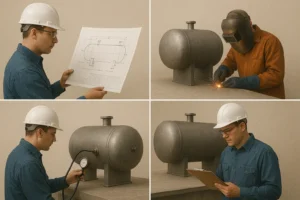
Pressure Vessel Design & Engineering: Concept to Launch
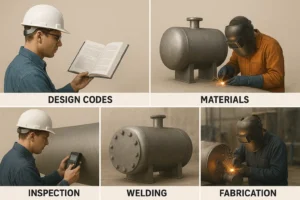
What is Pressure Vessel Design and Engineering: Code-Ready Guide
What are the Key Factors in Pressure Vessel Engineering
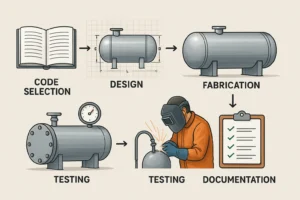
How Do You Design a Pressure Vessel: A Step-By-Step Guide
What is Pressure Vessel Fabrication and Manufacturing
No subpillar set for this blog post.
About Author