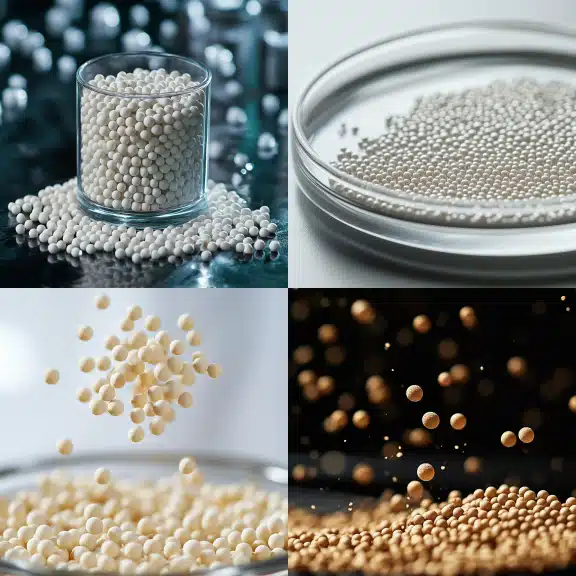
Molecular sieves are porous materials that selectively adsorb molecules based on size and polarity crucial for industries like oil & gas, water treatment, and air separation. Available in types like 3A, 4A, 5A, and 13X, they deliver unmatched precision in moisture removal, gas purification, and solvent drying. Key benefits include superior selectivity, process efficiency, reusability, and sustainability. Their ability to ensure purity and compliance makes them essential for high-performance, eco-conscious operations.
Molecular Sieves and Their Importance
To ensure maximum efficiency and purity, selecting the right separation technology is vital. One such solution is molecular sieve technology. But what exactly is a molecular sieve, and why is it indispensable across various industries?
A molecular sieve is a highly porous material engineered to selectively trap molecules based on size or polarity. Its uniform pores allow certain molecules to pass while retaining others, making it essential in processes where precision and purity are critical. For a deeper understanding of how these sieves work, you can explore how it works – understanding molecular sieves.
What Are Molecular Sieves?
Molecular sieves are typically crystalline substances, often zeolites or synthetic materials, with uniform pore sizes. They separate molecules based on physical characteristics such as size and polarity. Common grades include 3A, 4A, 5A, and 13X, each designed for specific applications, ranging from moisture removal to gas purification. For guidance on maintaining effectiveness, refer to understanding the importance of properly washing molecular sieves.
Why Molecular Sieves Are Critical in Industry
Their ability to adsorb unwanted molecules makes molecular sieves vital for refining, purification, drying, and separation tasks. Industries such as oil and gas, water treatment, air separation, and chemical processing rely on this technology to meet stringent quality and safety standards.
Key Industrial Applications of Molecular Sieves
- Oil and Gas Refining: Molecular sieves remove water, CO₂, and H₂S from natural gas streams, preventing corrosion and equipment damage. In LNG production, they ensure ultra-low moisture levels. For insights into related pressure equipment, see exploring the four primary head types for pressure vessels.
- Water Treatment: These sieves adsorb impurities such as heavy metals and VOCs, enhancing water quality in municipal and industrial plants. Learn more about understanding water filtration and minerals.
- Air and Gas Separation: Employed in Pressure Swing Adsorption (PSA) systems, molecular sieves isolate gases like oxygen and nitrogen, critical for healthcare, electronics, and energy. See understanding the role of a separator in industrial processes.
- Chemical Manufacturing: Molecular sieves dry solvents, purify reaction streams, and act as catalysts in petrochemical processes, improving yields and product consistency. Explore understanding the basics of molecular sieve beds.
Benefits of Using Molecular Sieves
- Superior Selectivity: Unlike conventional filters, they target specific molecules, ensuring precision.
- Enhanced Efficiency: Removing water and CO₂ optimizes reactions, reduces waste, and prolongs equipment life.
- Regenerability: Most can be regenerated through heating or pressure changes, making them cost-effective. For procedures, see how to dry the molecular sieve – a complete guide.
- Environmental Sustainability: Reusable and capable of reducing pollutant emissions, they support greener operations.
Choosing the Right Molecular Sieve
Selection depends on the intended application:
- 3A: Dehydrates polar liquids like ethanol. Reference: 3A molecular sieve guide
- 4A: General drying of gases and liquids.
- 5A: Removes CO₂ and hydrocarbons.
- 13X: Purifies air and removes sulfur compounds.
For a step-by-step approach to optimal selection, check how to choose the right molecular sieve for your application.
Why Choose Molecular Sieve Technology?
Choosing the right molecular sieve for your application can dramatically improve process efficiency. Molecular sieve performance offers superior selectivity compared to traditional filtration methods, providing precise control over which molecules are removed from your process stream. This level of control makes molecular sieve technology the preferred choice for critical applications.
Environmental Impact and Sustainability
Beyond efficiency, molecular sieve technology provides significant environmental benefits. Each molecular sieve eliminates contaminants from industrial processes, reducing the release of harmful pollutants into the environment. Additionally, the reusable nature of molecular sieve systems supports sustainable practices by minimizing waste and contributing to greener operations.
Partner with Red River for Advanced Molecular Sieve Solutions
Maximize the efficiency, precision, and sustainability of your industrial processes with Red River’s expertly engineered molecular sieve systems. From design and fabrication to customized skid packages and prefabricated spools, we deliver solutions built for performance and reliability.
Contact us today to discover how Red River’s American-made quality and values can elevate your operations.
Frequently Asked Questions
1.What industries benefit most from molecular sieves?
Oil & gas, chemical processing, air separation, and water treatment. Each relies on molecular sieves for contamination control and process optimization.
2.How do molecular sieves differ from other filters?
Traditional filters capture only large particulates. Molecular sieves work at the molecular level, selectively adsorbing specific contaminants based on size and polarity.
3.Can they be reused?
Yes. Through regeneration (typically heating), molecular sieves regain their adsorption capacity, supporting cost efficiency and sustainable practices.
4.Are there any limitations?
Yes. They can degrade under extreme temperatures or exposure to incompatible chemicals. Also, their high initial cost can be a barrier, though offset by long-term reusability.
5.Do they help the environment?
Absolutely. Molecular sieves lower emissions, reduce energy use, and minimize waste, making them key to eco-friendly industrial processes.
Key Takeaway
- Molecular sieves provide precise separation at the molecular level, ensuring purity and efficiency.
- Widely used in oil & gas, water treatment, air separation, and chemical manufacturing.
- Different grades (3A, 4A, 5A, 13X) fit specific applications for maximum performance.
- Regenerable and reusable, offering long-term cost savings and sustainability.
- A cornerstone technology for industries requiring high standards of safety and quality.
Related Blog Post

Pressure Vessel Design & Engineering: Concept to Launch

What is Pressure Vessel Design and Engineering: Code-Ready Guide
What are the Key Factors in Pressure Vessel Engineering
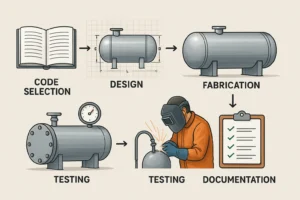
How Do You Design a Pressure Vessel: A Step-By-Step Guide
What is Pressure Vessel Fabrication and Manufacturing
About Author