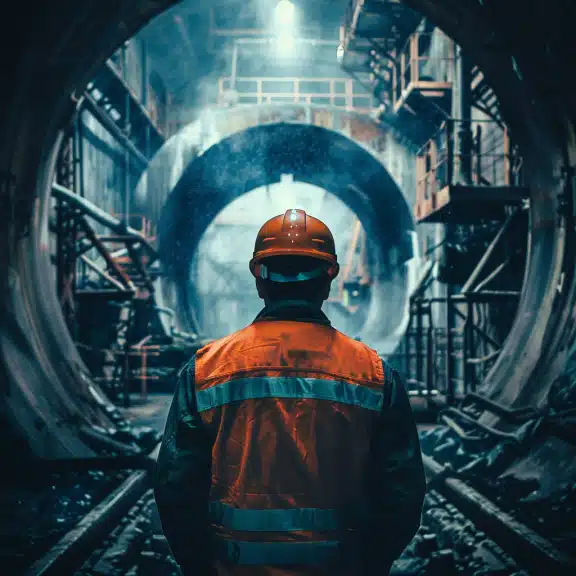
Engineering roles from civil to software to mechanical come with intense pressure due to safety demands, tight deadlines, and rising expectations. At Red River, we’ve adapted through tech-driven workflows, safety-first design processes, and a commitment to reducing stress in pressure-vessel manufacturing. Red River specializes in the design and manufacturing of pressure vessels, including prefabricated spools and skid packages. Explore our Capabilities to see how we support high-pressure industries from end to end. This article explores how different disciplines handle stress, how pressure has evolved, and how we help engineers stay balanced without compromising quality.
The Hidden Stress Behind Engineering Careers: What It Means for Safety & Precision
Engineering careers often carry intense stress from high-stakes deadlines to uncompromising quality standards. At Red River, we’ve seen how this pressure plays out in real-world industries like oil and gas, energy generation, and biogas. Understanding and managing this pressure is not just good for engineers it’s essential for project success and safety.
Overview of Engineering Fields and Pressure Levels
Engineers in every discipline face distinct stressors. For instance:
- Civil engineers deal with safety-critical structures and public deadlines.
- Software engineers face relentless product cycles and bug resolution under time constraints.
- Mechanical engineers, like those in pressure-vessel design, must balance innovation with strict safety codes (e.g. ASME).
At Red River, our cross-sector experience from public works to industrial fabrication gives us insight into how different types of pressure influence design, safety, and efficiency.
The Evolution of Engineering Pressure Over Time
Engineering stress has grown due to faster innovation cycles, tighter budgets, and heightened regulatory scrutiny.
- Decades ago, engineers had months to plan; now, projects turn into weeks.
- Customer expectations have shifted from “on-time” to “faster-than-expected.”
- Digital tools speed up workflows but also raise the bar for error-free execution.
At Red River, we’ve adapted by integrating automation and digital project tracking to help our engineers stay focused without sacrificing quality.
Engineering Disciplines and Their Pressure Levels
Pressure in Civil Engineering: A Closer Look
In civil engineering, the pressure of making infrastructures that stand the test of time is significant. Our involvement in commercial/public works has given us insights into these precise demanding situations.
The Pressure of Deadlines in Software Engineering
Software engineering is a race against time. At Red River, at the same time as we pay attention to manufacturing, we understand the parallel pressures our clients in software program engineering face, in particular in terms of assembly undertaking cut-off dates and delivering revolutionary solutions.
Mechanical Engineering: Pressure vs. Innovation
Mechanical engineers walk a fine line between innovation and regulatory pressure. In pressure-vessel design especially, errors can lead to catastrophic failures. That’s why Red River uses:
- ASME-compliant welding processes
- Predictive stress modeling software
- Redundancy inspections at every stage
Our approach ensures innovation never comes at the cost of safety.
Need a reliable partner?
Red River specializes in the design and manufacturing of pressure vessels. We also fabricate related items such as prefabricated spools and skid packages.
Reach Out to us today and experience the Red River difference. Where American Made and American Values come together, we care more.
FAQ: Engineering Pressure and Pressure Vessel Manufacturing
How does the pressure in engineering careers impact the layout and manufacturing of pressure vessels?
The pressure in engineering careers, specifically in fields like pressure vessel manufacturing, without delay influences the layout and production process. Engineers under high pressure may face demanding situations in keeping precision and interest in elements, which are essential in this discipline. To mitigate this, Red River LLC implements rigorous control measures and helps our engineers with a balanced workload, ensuring that the pressure does not compromise the integrity and safety of the pressure vessels we produce.
What role does the era play in lowering pressure for engineers working in pressure vessel production?
Technology performs a large role in lowering pressure in pressure vessel production. Advanced software programs for design and simulation, automation in production procedures, and AI-driven undertaking control gear help streamline workflows, lessen guide mistakes, and improve performance. This technological integration not simplest alleviates the workload for engineers but additionally enhances the precision and first-class of the pressure vessels manufactured.
Are there unique pressure management techniques advocated for engineers in high-pressure fields like pressure vessel production?
Yes, numerous pressure control techniques are specifically beneficial for engineers in excessive-pressure fields. These encompass mindfulness and meditation practices to preserve intellectual clarity, normal physical workouts to manipulate physical pressure, and effective time management strategies to handle workloads efficiently. Additionally, fostering a supportive painting environment and encouraging open communication within teams can considerably alleviate pressure.
How does Red River ensure the safety and high quality of pressure vessels given the high-pressure nature of engineering paintings?
Red River prioritizes protection and fine principally else, in particular thinking about the excessive-pressure nature of engineering work. We implement a stringent fine control technique that includes comprehensive fabric traceability and rigorous checking-out protocols. Our engineers are distinctly professional and educated in modern welding and fabrication techniques, ensuring that each pressure vessel meets or exceeds industry requirements, including ASME requirements.
What advancements in engineering are supporting the control of the high-pressure workload in industries like pressure vessel manufacturing?
Recent advancements in engineering that assist in managing excessive-pressure workloads include the development of extra green venture management tools, using predictive analytics for higher planning and aid allocation, and advancements in materials technology that permit for more green and safer designs. Additionally, the mixing of virtual reality (VR) and augmented fact (AR) in layout and training methods helps engineers visualize and solve issues extra efficiently, decreasing the time and pressure worried within the manufacturing procedure.
Key Takeaways
- All engineering fields face pressure, but it varies by discipline: civil engineers deal with safety-critical infrastructure, while software engineers face rapid iteration cycles.
- Engineering pressure is growing, driven by faster timelines, tighter budgets, and more complex compliance demands.
- Mechanical engineers in pressure-vessel fabrication must balance innovation with uncompromising safety and ASME code adherence.
- Red River mitigates stress through automation, strict QA processes, and a focus on work-life balance for engineers.
- Technology is a key stress-reducer, helping streamline design, reduce manual errors, and maintain consistent quality under pressure.
Related Blog Post
Pressure Vessel Design & Engineering: Concept to Launch
What is Pressure Vessel Design and Engineering: Code-Ready Guide
What are the Key Factors in Pressure Vessel Engineering
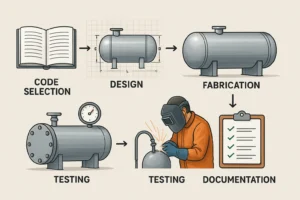
How Do You Design a Pressure Vessel: A Step-By-Step Guide
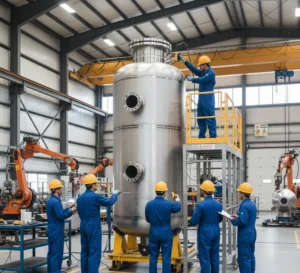
What is Pressure Vessel Fabrication and Manufacturing
About Author