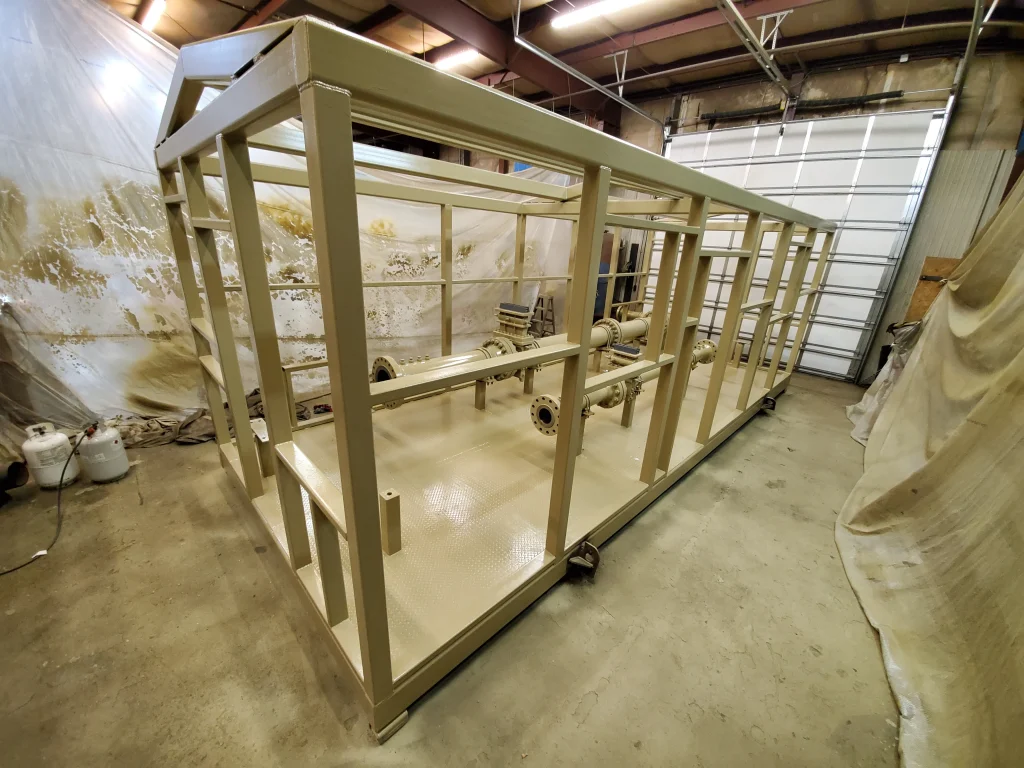
The 4 Skid Types

Introduction to the 4 skid types
Skidding, a term frequently associated with vehicles losing traction, is a phenomenon that every driver needs to understand. Whether you’re navigating icy roads in winter or making sharp turns on a rainy day, understanding skids can be the difference between a safe journey and a dangerous one. But did you know that not all skids are the same? There are 4 primary types of skids, each with its own set of causes and characteristics.
The 4 types of skids are:
Braking skid
Power (acceleration) skid
Cornering skid
In this comprehensive guide, we’ll delve into these four distinct types. By understanding the nuances of each, drivers can be better equipped to prevent them, ensuring safer travels regardless of road conditions.
Braking Skid
Definition:
A braking skid occurs when the tires lose traction with the road surface during braking, causing the vehicle to slip uncontrollably in the direction it was moving.
Characteristics:
- Audible warning: The most noticeable characteristic is the screeching sound produced by the tires
- Visual evidence: Skid marks are often left on the road, indicating where the tires lost their grip
- Loss of control: The vehicle may not respond to steering inputs during the skid, making it difficult to control
Causes:
- Braking too hard or suddenly, especially on wet, icy, or oily surfaces
- Poor tire condition, including worn treads or incorrect tire pressure
- Malfunctioning or outdated braking systems that don’t distribute brake force evenly
- Lack of modern safety features like ABS
Prevention and Recovery:
- Maintain safe following distance to give yourself adequate time to react
- Regular maintenance: Check and maintain your vehicle’s tires and braking system
- Practice gentle braking, especially in hazardous weather conditions
- Invest in modern safety technology: Anti-lock braking systems (ABS) prevent wheel lock-up by modulating brake pressure during emergency stops
- If skidding occurs: Ease off the brakes and steer in the direction you want to go
Real-life Examples:
- A driver on a rainy day slams the brakes to keep away from a pedestrian, most effective in locating the auto skidding ahead.
- Vehicles without ABS face problems in snowy situations, mainly due to longer distances and capability skids.
Power Skid (Acceleration Skid)
Definition:
A power skid occurs when the tires spin due to excessive power during acceleration, leading to a loss of traction and control. This happens when more power is applied than the tires can effectively transfer to the road.
Characteristics:
- Tire noise: Distinctive sound of tires spinning or squealing during acceleration
- Vehicle instability: The car may fishtail or swing out, especially in rear-wheel-drive vehicles
- Lack of forward motion: Despite engine revving, the vehicle fails to accelerate effectively
- Skid marks: May be left on the road starting from the point of acceleration
Causes:
- Sudden or aggressive acceleration, especially on wet, icy, or loose surfaces
- Over-revving the engine in lower gears
- Poor tire condition, including bald spots or insufficient tire pressure
- High torque output in powerful vehicles
- Driving habits involving rapid throttle changes
Prevention and Recovery:
- Gradual acceleration: Slowly increase speed, ensuring tires maintain grip
- Surface awareness: Be especially cautious on slippery or loose surfaces
- Regular tire maintenance: Keep tires properly inflated and in good condition
- Use driving aids: Engage traction control or appropriate driving modes (Snow, Eco)
- Recovery technique: If skidding, ease off the accelerator and steer smoothly
Real-life Examples:
- A sports vehicle driver indicates off via hastily accelerating, simplest to lose manage as the rear wheels spin out.
- A vehicle trying to ascend a muddy hill, spinning its wheels without moving forward due to excessive strength utility.
Cornering Skid
Definition:
A cornering skid occurs when a vehicle either slides outward from a curve (oversteer) or doesn’t turn sufficiently and continues straight (understeer), due to loss of traction between the tires and road while turning.
Characteristics:
- Path deviation: Vehicle doesn’t follow the intended route during a turn
- Oversteer symptoms: Rear end swings out, steering feels overly responsive
- Understeer symptoms: Front pushes forward, resisting the turn, steering feels unresponsive
- Loss of directional control: Vehicle may spin or slide off the intended path
Causes:
- Taking curves at excessive speeds for the conditions
- Braking while cornering (weight transfer reduces tire grip)
- Poor tire condition or mismatched tire types
- Improper weight distribution or vehicle load
- Adverse road conditions: wet, icy surfaces, or debris
Prevention and Recovery:
- Speed management: Approach curves at appropriate speeds for conditions
- Smooth inputs: Avoid sudden braking or acceleration while cornering
- Tire maintenance: Ensure all tires are in good condition, properly inflated, and matched
- Load awareness: Adjust driving for vehicle’s weight distribution
- Weather adjustment: Exercise extra caution in adverse conditions
- Recovery: For understeer, ease off accelerator; for oversteer, steer into the skid
Real-life Examples:
- A motive force taking a sharp flip too quickly on a rainy day, main the automobile to slide outward.
- A heavily loaded vehicle that understeers due to the burden pushing the front tires, making it tough to navigate a curve.
Understanding Skid Relationships and Prevention
Rather than listing this as a 5th type, this section helps drivers understand how different skids relate and can be prevented using similar strategies.
Common Prevention Strategies:
- Tire maintenance: All skid types are influenced by tire condition and pressure
- Speed management: Appropriate speed for conditions prevents most skids
- Smooth inputs: Gradual steering, braking, and acceleration reduce skid risk
- Environmental awareness: Recognizing road and weather conditions is crucial
Modern Vehicle Safety Features:
- ABS (Anti-lock Braking System): Prevents braking skids
- ESC (Electronic Stability Control): Helps prevent cornering skids
- Traction Control: Reduces power skids during acceleration
- All-Wheel Drive: Improves traction in challenging conditions
Safety Precautions and Best Practices
Regular Vehicle Maintenance:
- Tires: Ensure they’re in the proper situation, well inflated, and rotated regularly. Replace them while the tread wears down.
- Brakes: Check brake pads and fluids often. A responsive brake device can make a substantial distinction throughout surprising stops.
Adjust Driving to Conditions:
- Weather: On rainy, snowy, or icy days, lessen pace, increase following distance, and keep away from surprising maneuvers.
- Road Surface: Be careful on gravel, wet leaves, or oil patches. These surfaces can appreciably reduce traction.
Educate and Train:
- Consider taking advanced courses that teach skid prevention and management.
- Familiarize yourself together with your vehicle’s protection features, which include Anti-lock Braking Systems (ABS) and Electronic Stability Control (ESC).
Need a reliable partner?
Red River specializes in the design and manufacturing of pressure vessels. We also fabricate related items such as prefabricated spools and skid packages.
Reach out to us today and experience the Red River difference. Where American-made products and American Values come together, we care more.
Frequently Asked Questions
What should I do immediately when my car starts skidding?
The most important rule is “don’t panic.” Remove your foot from the accelerator, avoid sudden braking, and steer gently in the direction you want the car to go. For braking skids, ease off the brakes. For acceleration skids, reduce throttle input. Always look where you want to go, not where you’re sliding.
How can I prevent skids during winter driving?
Winter skid prevention involves several strategies: use winter tires or tire chains when appropriate, reduce speed significantly, increase following distance to 8-10 seconds, avoid sudden movements, and keep your gas tank at least half full for better weight distribution. Also, practice skid recovery in a safe, empty parking lot.
Do modern safety features like ABS and traction control prevent all skids?
While ABS, traction control, and electronic stability control significantly reduce skid risk, they don’t eliminate it entirely. These systems work within the laws of physics – if you’re going too fast for conditions or make sudden inputs, you can still lose control. They’re aids, not substitutes for safe driving practices.
Should I practice skid recovery, and if so, how?
Yes, practicing skid recovery in a controlled environment can be invaluable. Find a large, empty parking lot (preferably wet or snowy), ensure no obstacles are present, and practice at low speeds. Many driving schools offer skid recovery courses, which provide professional instruction and safer environments for learning these crucial skills.
Related Skid Systems & Resources
If you want to explore how skids are used in industrial processes (beyond vehicle safety), here are some useful internal resources:
For how gas systems are packaged and transported using skid technology, see The Purpose of a Gas Modular Skid Red River
To understand what a mechanical skid is and examples of its applications, check out A Mechanical Skid Red River
For cleaning systems, fluid management, and hygiene-critical applications, see The Work of CIP Skid Red River
To explore how processes are modularized in industrial settings, visit A Modular Process Red River
If dosing systems are your interest, especially for fluids, chemicals, etc., see Understanding a Dosing Skid Red River
Key Takeaways
There are 4 main types of vehicle skids: braking, power (acceleration), and cornering, each with unique causes and recovery methods.
Tire condition and maintenance play a critical role in preventing all skid types.
Safe driving practices—like gradual braking, controlled acceleration, and appropriate cornering speeds—greatly reduce skid risk.
Modern safety features such as ABS, ESC, and traction control help prevent skids but do not eliminate the need for cautious driving.
Driver training and awareness remain essential; practicing skid recovery in safe conditions can significantly improve response during real emergencies.
Solutions
In the realm of industrial solutions, Red River emerges as a pioneer, offering a diverse range of custom-engineered products and facilities. Among our specialties is the design and production of Custom/OEM Pressure Vessels, meticulously crafted to meet individual client requirements, ensuring performance under various pressure conditions. Our expertise extends to the domain of prefabrication, where Red River leads with distinction.
The company excels in creating prefabricated facilities, modules, and packages, reinforcing its stance as a forerunner in innovation and quality. This proficiency is further mirrored in their Modular Skids offering, where they provide an array of Modular Fabricated Skid Packages and Packaged equipment. Each piece is tailored to client specifications, underlining their commitment to delivering precision and excellence in every project they undertake.


Related Blog Post
Pressure Vessel Design & Engineering: Concept to Launch
What is Pressure Vessel Design and Engineering: Code-Ready Guide
What are the Key Factors in Pressure Vessel Engineering
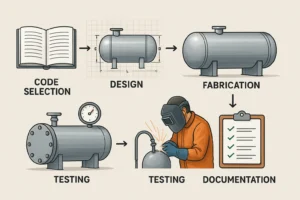
How Do You Design a Pressure Vessel: A Step-By-Step Guide
What is Pressure Vessel Fabrication and Manufacturing
No pillar keyword set for this post.
About Author