
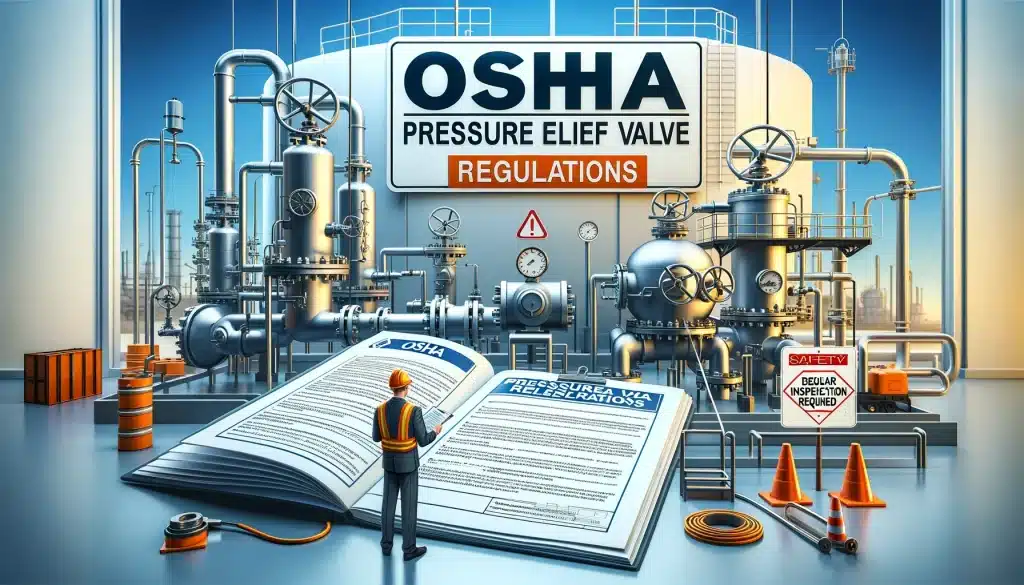
OSHA requires strict standards for the design, testing, and documentation of pressure relief valves to prevent overpressure accidents. Key rules include 29 CFR 1910.169 and ASME Section VIII, with annual inspections and proper recordkeeping mandatory. This guide breaks down technical specs, compliance checklists, and best practices to help your facility stay safe and avoid costly violations.
Introduction to OSHA Pressure Relief Valve Regulations
The Occupational Safety and Health Administration (OSHA) plays a critical role in ensuring workplace safety across industries. In this guide, you’ll learn exact OSHA standards, required valve specifications, and a step-by-step checklist for compliance. At Red River LLC, we adhere to these standards, serving sectors ranging from oil and gas to power generation. Pressure relief valves, regulated under OSHA guidelines, are pivotal for preventing equipment failures, injuries, and other workplace hazards.
Overview of Pressure Relief Valves and OSHA Regulations
Pressure relief valves are essential in industrial applications, safeguarding against excessive pressure. OSHA mandates clear standards for design, installation, and maintenance. OSHA regulations such as 29 CFR 1910.169 and the ASME Boiler and Pressure Vessel Code, Section VIII establish minimum safety and design standards. Understanding these ensures operational reliability and regulatory compliance.
Comprehensive Guide to OSHA Pressure Relief Valve Regulations
Key Components of OSHA Pressure Relief Valve Regulations
OSHA’s pressure relief valve regulations focus on minimizing risks in overpressure scenarios. They cover design criteria, material selection, and operational thresholds, ensuring valves perform reliably under varying conditions. For instance, valves must open at no more than 110% of set pressure and be sized per flow rate calculations outlined in ASME standards.
Understanding the Technical Aspects of OSHA Standards
Grasping the technical nuances of OSHA requirements is crucial. OSHA 1910.169(b)(3)(iii) requires that relief valves be tested frequently and set to prevent the vessel pressure from exceeding 10% above its maximum allowable pressure. For example, this includes understanding pressure limits, response times, and environmental factors that impact valve performance. In addition, compliance ensures not only the highest levels of safety but also optimal operational efficiency.
| Specification | OSHA Requirement |
| Test Frequency | Annually (minimum) |
| Max Overpressure | Not more than 10% above MAWP |
| Documentation | Inspection log retained for 3 years |
OSHA Pressure Relief Valve Regulations: Impact on Valve Design
Design Requirements for Compliance
Valves must be sized using precise engineering formulas considering allowable overpressure, back pressure, and flow rates, as per API 520 and ASME Section VIII. Proper material selection ensures long-term reliability and compliance.
Innovations in Valve Design Inspired by OSHA Regulations
OSHA standards have driven innovations in pressure relief valve technology. Modern designs feature superior materials, predictive performance analytics, and improved operational efficiency, aligning with Red River LLC’s prefabrication solutions.
OSHA Pressure Relief Valve Regulations: Procedures and Best Practices for Compliance
Steps to Ensure Your Pressure Relief Valves are OSHA Compliant
- Confirm set pressure matches system design
- Verify valve has a nameplate with specs
- Maintain calibration and test logs
- Follow OSHA 1910.169(b)(3) maintenance intervals
- Ensure access for inspection
Regular Maintenance and Inspection Guidelines
Routine upkeep and inspections are key to compliance. This includes scheduled exams, performance testing, and instantaneous rectification of any recognized troubles.OSHA recommends using NBIC Part 2 Inspection Code. Inspections must include leak testing, spring condition checks, and reseating pressure validation.
The Role of Pressure Relief Valves in Industrial Safety
Case Studies: Accidents Prevented by Compliant Valves
Real-global examples highlight how compliant pressure relief valves have prevented capability disasters, underscoring their significance in business protection. In 2020, an ammonia release in a Texas plant was prevented because the pressure relief valve lifted at the correct set pressure. The plant avoided fines due to documented OSHA 1910.119 compliance.
The Critical Nature of Pressure Relief Valves in Industry
Pressure remedy valves aren’t simply additives; they’re safeguards against catastrophic disasters, playing a critical role in maintaining business protection.
Navigating OSHA Documentation for Pressure Relief Valves
Essential OSHA Documents for Reference
Familiarity with key OSHA documents is vital for compliance. These documents guide safety practices and inspection protocols, supported by resources such as comprehensive pressure vessel inspection guides.
How to Stay Updated with OSHA Regulations
Stay current by reviewing policy updates, attending industry seminars, and consulting safety professionals. Continuous learning ensures ongoing adherence to standards.
Training and Resources for OSHA Valve Compliance
Educational Resources for Understanding OSHA Valve Standards
Access to comprehensive academic sources is prime to information on OSHA valve requirements. These assets encompass precise suggestions, webinars, and updated regulatory documents that offer in-depth expertise essential for compliance.
Training Programs for Compliance and Safety
Tailored training programs cover basic valve operation to advanced protection protocols, ensuring employees meet safety standards. Check Red River LLC employment resources for available training.
Legal Implications of Non-Compliance with OSHA Valve Regulations
Case Law Involving Pressure Relief Valve Failures
Case studies of pressure comfort valve failures highlight the intense prison implications of non-compliance, emphasizing the want for strict adherence to OSHA standards.
Penalties and Fines for Non-Compliance
Failing to meet OSHA standards can result in substantial fines and penalties. Implementing compliant pressure vessel fabrication processes is essential to avoid legal repercussions.
Technological Advances in Pressure Relief Valves and OSHA Compliance
The Future of Valve Technology and Safety Standards
Innovation in materials, predictive maintenance, and automation are shaping the future of OSHA-compliant valves. Modular skids and automated systems further simplify compliance.
How Technology is Making Compliance Easier
Modern monitoring solutions and predictive maintenance tools reduce human error and enhance operational safety. Red River LLC solutions integrate these technologies for reliable compliance.
Partnering with Red River LLC for OSHA Compliance
How Red River LLC Can Help with Your Compliance Needs
Red River LLC provides expert guidance to meet OSHA compliance needs. Our team ensures that pressure relief valves meet all design and safety standards, supporting a range of industries.
Success Stories: Clients Compliant with OSHA Regulations
Success stories across multiple sectors demonstrate our expertise in delivering compliant solutions. Clients benefit from customized pressure vessel services that prioritize safety and operational efficiency.
Ready to Ensure Compliance?
Don’t risk the safety of your facility or the legal implications of non-compliance. Reach out to Red River LLC today for expert guidance on OSHA pressure relief valve regulations. Our experienced team ensures your valves meet all the required standards helping you stay safe, compliant, and efficient.
Contact us now to learn more about our comprehensive solutions for pressure vessel safety and OSHA adherence.
Frequently Asked Questions
1. What OSHA standards cover pressure relief valves?
OSHA 29 CFR 1910.169 regulates air receivers, while 1910.119 (PSM) governs high-risk pressure systems. These include specific requirements on inspection, testing, and documentation.
2. How often should pressure relief valves be inspected under OSHA?
At least annually, per OSHA and ASME standards. Some industries (e.g., chemical) require quarterly or semiannual testing.
3. What records are required for compliance?
OSHA mandates documentation of inspection, testing results, and any corrective actions. Retain records for at least three years.
4. Can digital monitoring help with compliance?
Yes. OSHA encourages using sensors and automated systems that alert teams when pressure thresholds are exceeded or valves fail to actuate.
Key Takeaways
- OSHA pressure relief valve compliance is non-negotiable and violations can lead to fines, equipment damage, and legal risk.
- Know the standards: Key regulations include OSHA 29 CFR 1910.169, ASME Section VIII, and API 520/521.
- Design matters: Relief valves must be correctly sized and set to open before system overpressure exceeds 10%.
- Documentation is critical: Maintain inspection logs, test results, and calibration certificates for at least 3 years.
- Routine testing prevents accidents: Annual inspections are the minimum; high-risk environments may need more frequent checks.
- Technology aids compliance: Use sensors, remote monitoring, and automated logs to streamline OSHA adherence.
Related Blog Post
Condensate Tanks: Types, Fabrication, and ASME Code
Which Tests Validate Deaeration in Pressure Systems?
Equalization Tanks: Design, Sizing, and Fabrication
What Are Thermal Storage Testing Standards for TES Vessels?
What Hydro Tests Are Required for Pressure Vessels?
About Author



