
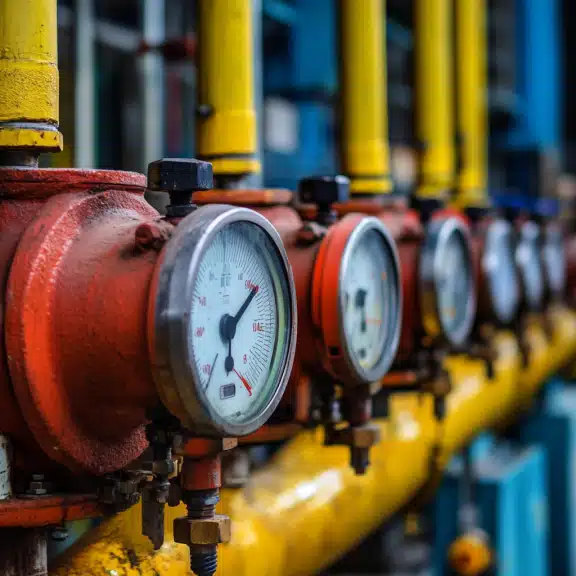
Pressure vessels operate through repeated cycles of pressurization, temperature changes, and mechanical loads. Over time, these conditions can lead to fatigue a gradual deterioration that affects the vessel’s ability to perform safely and reliably. Maximizing fatigue life of pressure vessels is essential for achieving long-term performance, reducing unplanned downtime, and maintaining safety across various industrial operations.
Understanding Fatigue in Pressure Vessel Systems
Hydrostatic testing starts by filling the vessel with water, the typical test medium. Firstly, this step ensures the vessel is fully saturated and ready for an accurate integrity evaluation under pressure.
Pressure Application
After filling the vessel, technicians pressurize it and carefully monitor pressure levels throughout the procedure. As a result, our advanced equipment provides precise control and ensures reliable outcomes.
Procedure for Pneumatic Testing
Compressed Air Application
Technicians pressurize the vessel with compressed air or gas during pneumatic checking. In doing so, this process replicates real-world working conditions. Moreover, our systematic methods ensure safety and accuracy in every phase of the test.
Pressure Maintenance
Technicians maintain and monitor pressure levels during testing to ensure consistent results. This approach not only delivers reliability but also maximizes safety. Furthermore, our rigorous protocols minimize risks and uphold the testing environment’s integrity.
Procedure for Ultrasonic Testing for Pressure Vessel Testing Procedures
Equipment Setup
Technicians configure specialized devices to emit and receive high-frequency sound waves. They ensure the testing equipment operates with optimal performance and accuracy.
Scanning Process
The ultrasonic equipment systematically moves across the vessel’s surface, emitting sound waves and capturing reflected alerts. This non-destructive approach provides valuable insights into the vessel’s inner structure.
Maximizing Fatigue Life of Pressure Vessels
Effectively maximizing fatigue life of pressure vessels is essential for operational safety, reliability, and longevity. By focusing on proper material selection, design optimization, and environmental protection, engineers can mitigate fatigue risks. Regular Pressure Vessel Inspection and Maintenance ensures early detection of potential defects, while adherence to Pressure Vessel Safety Standards and Compliance and ASME code for pressure vessel safety provides regulatory assurance. Integrating these strategies helps maintain structural integrity, prevent unexpected failures, and extend the useful life of pressure vessels.
Need a reliable partner?
Red River specializes in the design and manufacturing of pressure vessels. We also fabricate related items such as prefabricated spools and skid packages.
Reach Out to us today and experience the Red River difference. Where American Made and American Values come together, we care more.
Frequently Asked Questions
1. What Influences the Fatigue Life of a Pressure Vessel?
Fatigue life is affected by stress cycles, material selection, design features, environmental conditions, and the quality of fabrication and welding.
2. How Do Safety Standards Improve Fatigue Life?
Compliance with pressure vessel safety standards ensures vessels are built to withstand cycles, environmental challenges, and operational stresses.
3. How Does Maintenance Increase Fatigue Life?
Routine inspections detect early signs of fatigue, corrosion, or weld imperfections, allowing for corrective actions before failures occur.
4. What Should Be Included in a Pressure Vessel Inspection Checklist?
Thickness measurements, weld evaluations, surface inspections, deformation checks, and documentation reviews.
5. How Often Should Fatigue-Prone Pressure Vessels Be Inspected?
Inspection intervals depend on operating conditions and vessel classification, with high-cycle vessels requiring more frequent evaluations.
Key Takeaways
- Fatigue in pressure vessels develops over time due to cyclic loading, environmental factors, and material properties.
- Proper material selection, design optimization, and protective coatings are critical for extending fatigue life.
- Regular inspections and preventive maintenance help detect and mitigate fatigue-related defects early.
- Compliance with Pressure Vessel Safety Standards and ASME codes ensures safe and reliable operation.
- Monitoring operational conditions and implementing proactive strategies maximize vessel durability and performance.
Related Blog Post
Pressure Vessel Design & Engineering: Concept to Launch
What is Pressure Vessel Design and Engineering: Code-Ready Guide
What are the Key Factors in Pressure Vessel Engineering
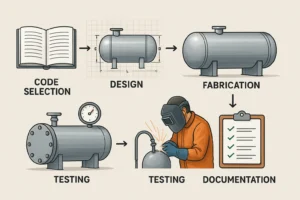
How Do You Design a Pressure Vessel: A Step-By-Step Guide
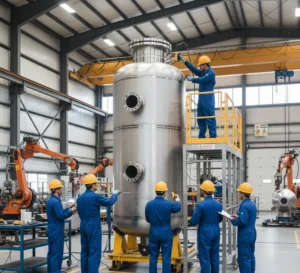
What is Pressure Vessel Fabrication and Manufacturing
No subpillar set for this blog post.
About Author



