
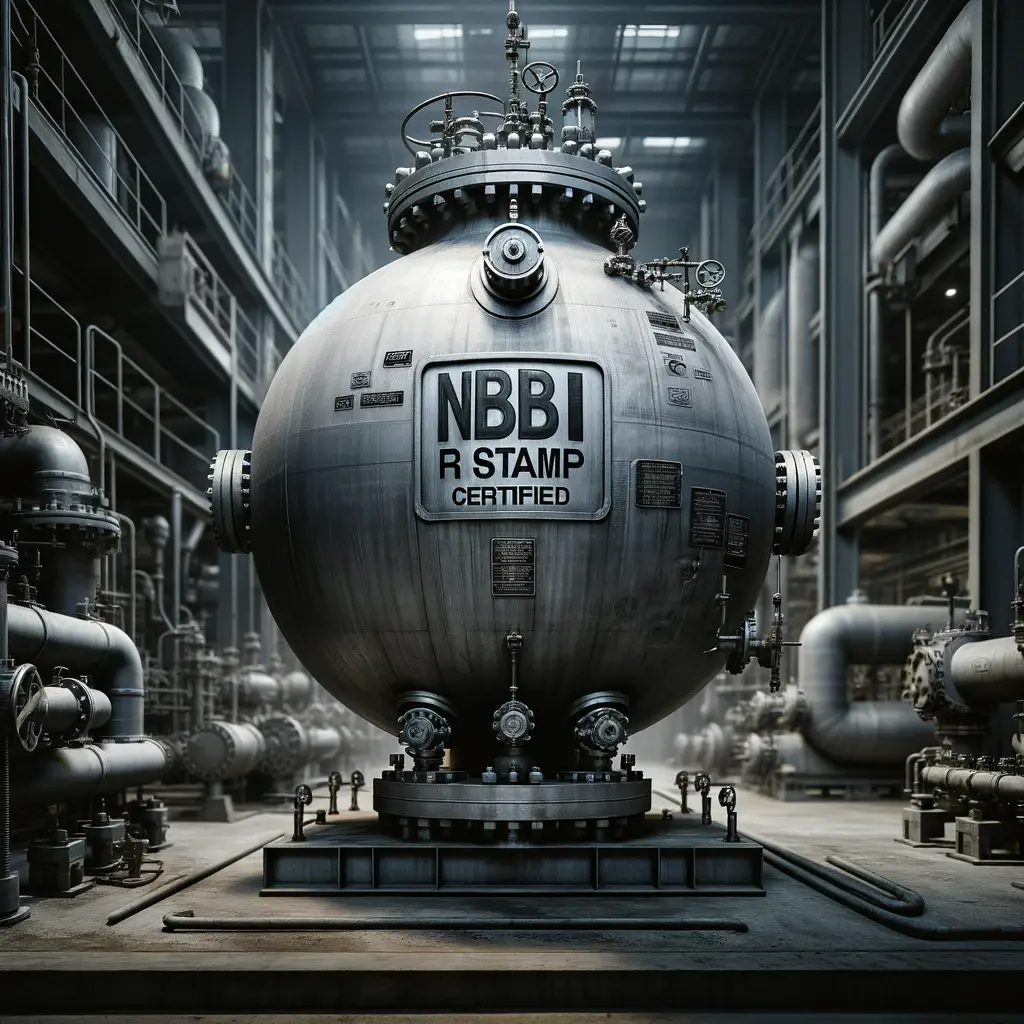
What are the ratings for pressure vessels?
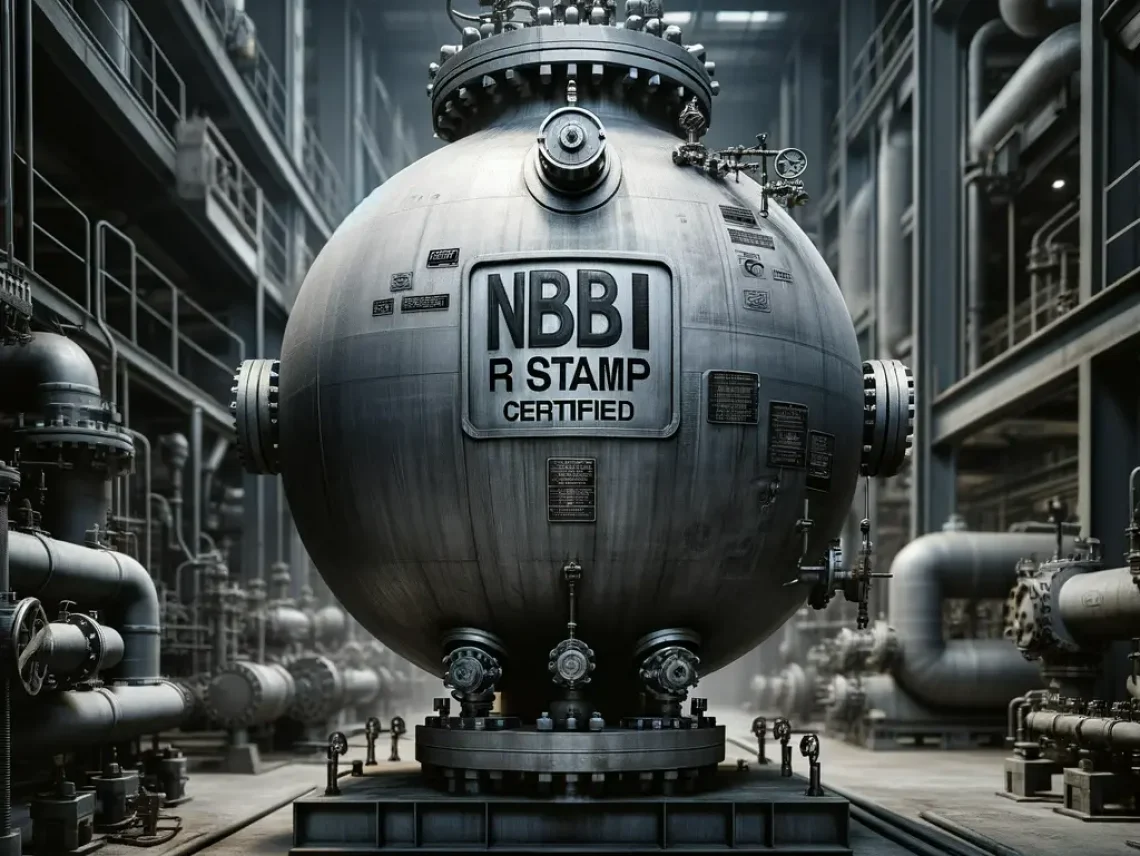
Introduction to the ratings for pressure vessels
In the vast realm of industrial equipment, pressure vessels stand out as critical components designed to hold gases or liquids at a pressure substantially different from the ambient pressure. These vessels, ranging from simple compressed air tanks to complex reactors in petrochemical plants, play a pivotal role in numerous industries. However, as with any equipment that operates under pressure, there’s an inherent risk involved. This makes understanding the ratings for pressure vessels, not just a technical necessity but also a safety imperative.
The ratings of a pressure vessel provide a clear indication of the maximum allowable pressure and temperature at which it can safely operate. Overlooking or misunderstanding these ratings can lead to catastrophic failures, endangering both human lives and the environment. Therefore, for industries that rely on these vessels, being well-versed in their ratings is paramount. This guide aims to shed light on the intricacies of pressure vessel ratings, ensuring that industries can operate them safely and efficiently.
Basics of Pressure Vessels
Pressure vessels, as their name suggests, are specially designed containers built to hold contents, be they gases or liquids, at a pressure that’s significantly different from the surrounding or ambient pressure. Their presence is ubiquitous across various industries, and they serve as the backbone for many critical processes.
Definition and Primary Functions:
At its core, a pressure vessel is a container with the capability to withstand internal or external pressure. Their primary function is to safely contain substances under pressure, ensuring that they don’t pose a threat to the surrounding environment or personnel.
Common Materials Used in Construction:
The construction of pressure vessels demands materials that can endure high pressures and temperatures. Typically, carbon steel, stainless steel, and other alloy materials are employed due to their strength and durability. The choice of material often hinges on the intended use of the vessel and the substance it’s meant to store.
Industries Where Pressure Vessels Are Commonly Used:
- Petrochemical and Chemical Industries: For reactions, separation processes, and storage of volatile substances.
- Power Generation: In boilers and steam systems to generate electricity.
- Pharmaceuticals: For mixing, storing, and processing various drugs and solutions.
- Food and Beverage: In fermentation tanks, pasteurizers, and other processing equipment.
- Aerospace and Defense: In propulsion systems and for storing gases.
What are Pressure Vessel Ratings?
Definition of "Rating" in the Context of Pressure Vessels:
A pressure vessel’s rating delineates the maximum allowable conditions—both pressure and temperature—at which it can operate without compromising its integrity or safety. These ratings are meticulously determined based on the vessel’s design, material, construction, and intended use.
The Dual Role of Ratings:
- Safety Benchmark: Ratings act as a safety threshold, ensuring that the vessel operates within its designed limits. Exceeding these limits can lead to vessel failure, posing severe risks to personnel, the environment, and the facility.
- Operational Guide: For industries, these ratings provide a clear operational roadmap. They inform decisions regarding the vessel’s loading, maintenance, and overall handling, ensuring optimal performance and longevity.
Determining Pressure Vessel Ratings:
The process of determining a vessel’s rating is rigorous and grounded in engineering principles. It involves:
- Analyzing the vessel’s material properties, such as tensile strength and thermal conductivity.
- Evaluating the vessel’s design, including its shape, thickness, and potential stress points.
- Conducting tests under controlled conditions to validate the vessel’s resilience and performance.
Different Types of Pressure Vessel Ratings
Design Pressure:
- Definition: The maximum allowable pressure at which the vessel is intended to operate in its normal conditions.
- Significance: It serves as a benchmark for the vessel’s operational limits, ensuring it functions within safe parameters.
Test Pressure:
- Definition: The pressure at which the vessel is tested, typically higher than the design pressure, to ensure its safety and integrity.
- Significance: This test validates the vessel’s resilience and its ability to handle pressures beyond its operational limits without failure.
Maximum Allowable Working Pressure (MAWP):
- Definition: The highest pressure at which a vessel can safely operate, taking into account all potential conditions and factors.
- Significance: MAWP is a critical rating, as it defines the absolute limit for the vessel’s operation. Exceeding MAWP can lead to catastrophic failures.
Design Temperature:
- Definition: The range of temperatures, both maximum and minimum, at which the vessel can safely operate.
- Significance: Just as pressure affects a vessel’s integrity, so does temperature. The design temperature ensures the vessel remains stable and functional across varying thermal conditions.
Factors Influencing Pressure Vessel Ratings
Material of Construction:
- Influence: Different materials have varying tensile strengths, thermal properties, and corrosion resistance. A vessel made of stainless steel will have different ratings compared to one made of carbon steel or other alloys.
- Example: A vessel designed to store corrosive substances might be made of a corrosion-resistant alloy, affecting its pressure and temperature ratings.
Vessel Design and Shape:
- Influence: The vessel’s geometry, including its thickness, diameter, and the presence of any curves or joints, can impact its ability to withstand pressure.
- Example: A cylindrical vessel might handle internal pressure differently than a spherical one due to stress distribution.
Intended Use and Type of Substance Stored:
- Influence: Gases, liquids, and volatile substances exert different pressures and have distinct thermal properties. The nature of the stored substance can significantly influence the vessel’s ratings.
- Example: A vessel storing liquefied natural gas (LNG) will have different ratings compared to one storing compressed air.
External Factors and Environmental Conditions:
- Influence: External factors such as ambient temperature, humidity, and exposure to corrosive environments can affect the vessel’s operational limits.
- Example: A vessel operating in a marine environment might have different ratings due to the corrosive nature of saltwater.
Importance of Adhering to Pressure Vessel Ratings
Safety Concerns and Potential Hazards:
- Rationale: Exceeding the prescribed ratings can lead to over-pressurization, resulting in vessel rupture or explosion.
- Impact: Such incidents can cause severe injuries, loss of life, and extensive property damage.
Legal and Regulatory Implications:
- Rationale: Many countries and regions have stringent regulations governing the design, manufacture, and operation of pressure vessels. Non-compliance can lead to legal repercussions.
- Impact: Organizations can face hefty fines, legal actions, and even shutdowns for not adhering to the stipulated ratings and standards.
Operational Efficiency and Longevity:
- Rationale: Operating a vessel within its designated ratings ensures optimal performance and reduces wear and tear.
- Impact: This not only prolongs the vessel’s lifespan but also minimizes maintenance costs and operational downtimes.
International Standards and Regulatory Bodies
ASME (American Society of Mechanical Engineers):
- Overview: Renowned globally, the ASME Boiler and Pressure Vessel Code (BPVC) sets the standard for the design, fabrication, and inspection of boilers and pressure vessels.
- Significance: Many countries adopt or adapt the ASME BPVC, recognizing its rigorous standards and comprehensive guidelines.
PED (Pressure Equipment Directive):
- Overview: A directive of the European Union, PED outlines the standards for the design and fabrication of pressure equipment for use within the EU.
- Significance: Products complying with PED can be freely marketed within the European Economic Area, ensuring a consistent safety standard across member states.
ISO (International Organization for Standardization):
- Overview: ISO has several standards related to pressure vessels, such as ISO 16528-1, which defines performance requirements for boilers and pressure vessels.
- Significance: ISO standards are recognized worldwide, providing a common framework for industries across different regions.
Case Studies
The Texas City Refinery Explosion (2005):
- Overview: A hydrocarbon vapor cloud explosion occurred at the BP Texas City Refinery, resulting in 15 fatalities and over 180 injuries.
- Cause: Among other factors, a raffinate splitter tower was overfilled, leading to the release of a large volume of liquid hydrocarbons.
- Lesson Learned: Proper monitoring, adherence to operational limits, and safety protocols are crucial to prevent such catastrophic events.
Flixborough Disaster (1974):
- Overview: A massive explosion at the Nypro chemical plant in Flixborough, England, led to 28 deaths and significant damage to the surrounding area.
- Cause: A temporary bypass pipe ruptured, releasing a large quantity of cyclohexane, which ignited.
- Lesson Learned: Modifications, even if temporary, must adhere to strict design and inspection standards to ensure safety.
Pressure vessels, with their intrinsic role in countless industries, are more than just containers; they are the embodiment of engineering prowess, safety standards, and operational excellence. As we’ve journeyed through the intricacies of their ratings, the international standards governing them, and real-world case studies, one truth stands out: the importance of understanding and adhering to pressure vessel ratings cannot be overstated.
These ratings, backed by rigorous research and real-world testing, serve as the beacon guiding industries in the safe and efficient use of these critical containers. Whether it’s the petrochemical sector, power generation, or any other industry, the lessons are clear: safety, compliance, and vigilance are paramount.
Need a reliable partner?
FAQ: Ratings for Pressure Vessels
What are pressure vessel ratings and why are they important?
Pressure vessel ratings refer to the maximum pressure at which a vessel can safely operate. These ratings are crucial as they ensure the safety and efficiency of the vessel under various operating conditions. The rating takes into account factors like material strength, temperature, and the vessel’s design. Adhering to these ratings prevents risks such as leaks, explosions, and structural failures.
How are pressure vessels rated and what standards are used?
Pressure vessels are rated based on their design, material, construction, and intended use. The most common standards for rating pressure vessels include the American Society of Mechanical Engineers (ASME) Boiler and Pressure Vessel Code in the United States, and the Pressure Equipment Directive (PED) in Europe. These standards ensure vessels meet rigorous safety and quality requirements.
Can the rating of a pressure vessel change over time?
Yes, the rating of a pressure vessel can change over time due to factors like wear and tear, corrosion, or modifications. Regular inspections and maintenance are essential to assess the vessel’s condition and determine if the rating needs adjustment. If a vessel degrades or is modified, it must be re-evaluated to ensure it still meets safety standards.
What is the difference between design pressure and operating pressure in pressure vessels?
Design pressure is the maximum pressure a pressure vessel is engineered to withstand safely, considering a margin for safety. Operating pressure, on the other hand, is the pressure at which the vessel typically operates during normal conditions. The operating pressure is usually lower than the design pressure to provide a safety buffer.
How does temperature affect the pressure rating of a vessel?
Temperature plays a significant role in determining the pressure rating of a vessel. Materials used in pressure vessels can behave differently at various temperatures, affecting their strength and durability. Higher temperatures can reduce a material’s ability to withstand pressure. Therefore, pressure vessels are rated for both pressure and temperature limits to ensure safe operation under different environmental conditions.
Solutions
In the realm of industrial solutions, Red River emerges as a pioneer, offering a diverse range of custom-engineered products and facilities. Among our specialties is the design and production of Custom/OEM Pressure Vessels, meticulously crafted to meet individual client requirements, ensuring performance under various pressure conditions. Our expertise extends to the domain of prefabrication, where Red River leads with distinction.
The company excels in creating prefabricated facilities, modules, and packages, reinforcing its stance as a forerunner in innovation and quality. This proficiency is further mirrored in their Modular Skids offering, where they provide an array of Modular Fabricated Skid Packages and Packaged equipment. Each piece is tailored to client specifications, underlining their commitment to delivering precision and excellence in every project they undertake.


Related Blog Post
Can Condensate Storage Improve Reliability?
Where Do Condensate Tanks Fit in a Steam System?
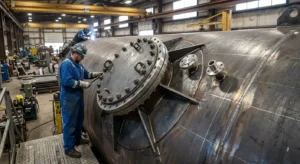
Which Nozzles Simplify Maintenance on Pressure Vessels?
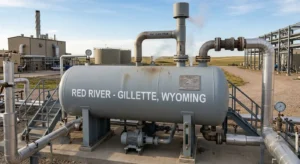
How to Vent Condensate Tanks in Steam Systems
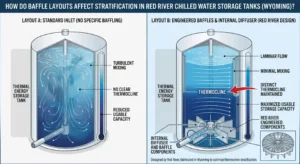
How Do Baffle Layouts Affect Stratification in TES Tanks?
No subpillar set for this blog post.
About Author
