
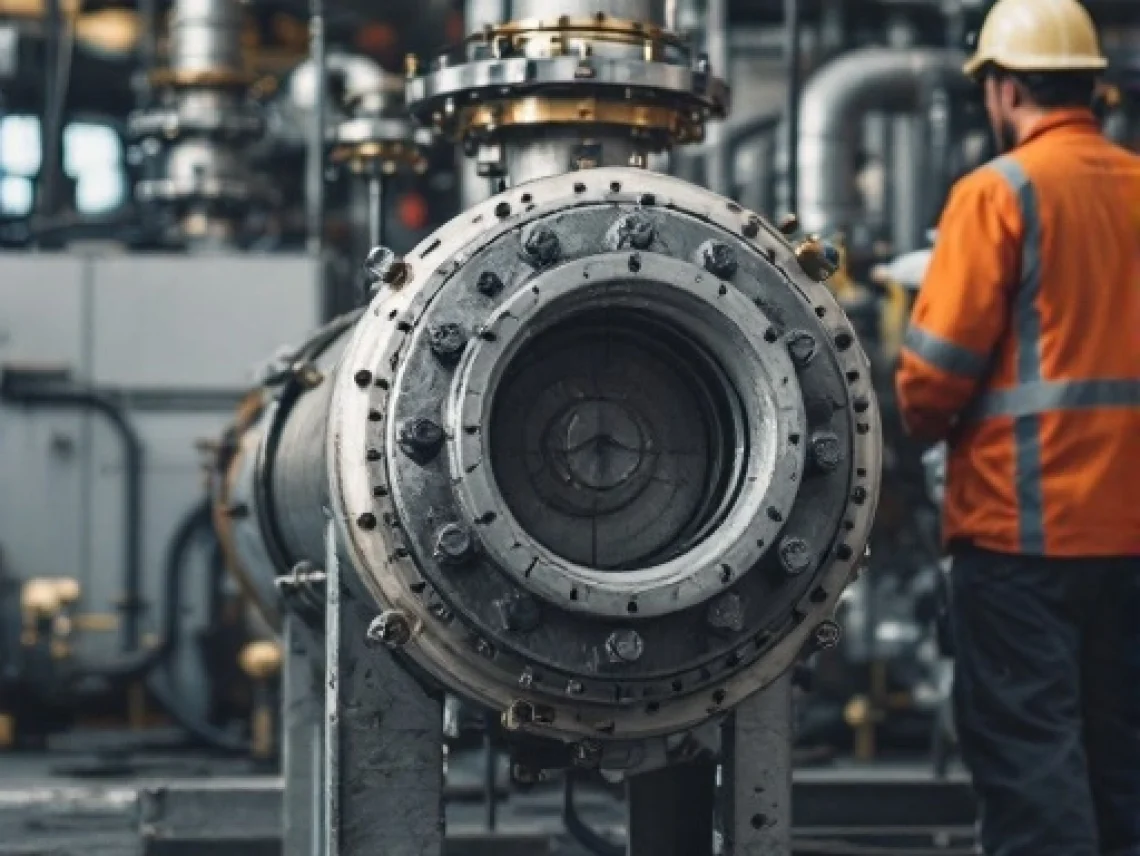
The pressure vessel code is a comprehensive set of mandatory rules that govern the design, fabrication, inspection, testing, and certification of pressure vessels. These codes are designed to ensure the structural integrity and safety of vessels that operate under internal or external pressure. The most widely recognized standard is the ASME Boiler and Pressure Vessel Code (BPVC), which has been adopted across industries worldwide.
By following the pressure vessel code, manufacturers and operators reduce the risk of catastrophic failures while ensuring regulatory compliance and operational reliability.
The ASME BPVC is the cornerstone of global pressure vessel regulation. It is updated every two years to incorporate new technology and field experience. Key sections include:
Section VIII (Divisions 1, 2, and 3): Governs pressure vessels of different complexities and pressure ranges.
Section II: Material requirements.
Section V: Nondestructive Examination (NDE).
Section IX: Welding and Brazing Qualifications.
A unique feature of ASME compliance is the code stamp requirement. Vessels meeting ASME standards receive a certification mark (e.g., the U-stamp), signifying full compliance with the pressure vessel code.
Learn more about the ISO standard for pressure vessels and how it complements ASME regulations.
While ASME dominates in North America, global standards vary:
European Union: The Pressure Equipment Directive (PED) emphasizes performance-based requirements.
API Standards: Tailored for oil and gas applications, including API 510 for in-service inspections.
National Standards: Countries such as China, Japan, and Australia maintain their own vessel codes.
These international variations often interconnect through reciprocity agreements, reducing redundancy but still requiring local compliance..
Compliance with the pressure vessel code involves several critical factors:
Design Calculations: Ensure vessels withstand stress and operating loads.
Material Selection: Must meet certified specifications and mechanical properties.
Fabrication & Welding: Procedures and qualifications must comply with code standards.
Inspection & Testing: Includes NDE methods such as radiography and ultrasonic testing.
Documentation: Complete records prove compliance and traceability.
Explore the classification of pressure vessel design for more insight into how design choices affect compliance.
The pressure vessel code extends beyond manufacturing into operational safety:
In-service inspections: Governed by standards like API 510.
Inspection frequency: Ranges from annual checks for high-risk equipment to 3–5 years for less critical applications.
Repairs and alterations: Must comply with the National Board Inspection Code (NBIC).
Learn how risk-based inspection for pressure vessels improves safety and reduces downtime.
.
The pressure vessel code isn’t just regulation—it’s lifesaving engineering in action:
Safety: Prevents catastrophic failures.
Efficiency: Reduces unplanned shutdowns.
Legal Protection: Ensures insurance validity and regulatory compliance.
Industry Reliability: Builds public and stakeholder confidence.
For example, non-compliance contributed to disasters like the 1984 PEMEX LPG explosion, which killed hundreds. In contrast, adherence to codes prevents such tragedies.
Discover the role of safety factors in pressure vessels and how they enhance operational reliability.
Pressure vessel codes transform engineering theory into practical safety. As technology evolves, these codes continue to adapt, incorporating new materials, fabrication methods, and inspection tools. By adhering to the pressure vessel code, companies ensure operational safety, regulatory compliance, and a safer industrial environment.
The pressure vessel code is a set of rules that define how vessels must be designed, fabricated, and tested to ensure safety.
ASME BPVC Section VIII is the most widely applied, covering conventional, alternative, and high-pressure vessels.
Inspection intervals depend on service conditions—typically between 1 to 5 years.
The U-stamp certifies new vessels built to ASME code. The R-stamp certifies repairs made per the NBIC.
You can access it directly on the ASME BPVC standards page.
The pressure vessel code ensures safety, compliance, and operational reliability.
ASME BPVC Section VIII is the global benchmark for vessel construction.
Compliance involves design, materials, fabrication, testing, and documentation.
Regular inspections and maintenance safeguard vessels throughout their lifecycle.
Partnering with certified manufacturers ensures vessels meet every compliance requirement.
In the realm of industrial solutions, Red River emerges as a pioneer, offering a diverse range of custom-engineered products and facilities. Among our specialties is the design and production of Custom/OEM Pressure Vessels, meticulously crafted to meet individual client requirements, ensuring performance under various pressure conditions. Our expertise extends to the domain of prefabrication, where Red River leads with distinction.
The company excels in creating prefabricated facilities, modules, and packages, reinforcing its stance as a forerunner in innovation and quality. This proficiency is further mirrored in their Modular Skids offering, where they provide an array of Modular Fabricated Skid Packages and Packaged equipment. Each piece is tailored to client specifications, underlining their commitment to delivering precision and excellence in every project they undertake.


