
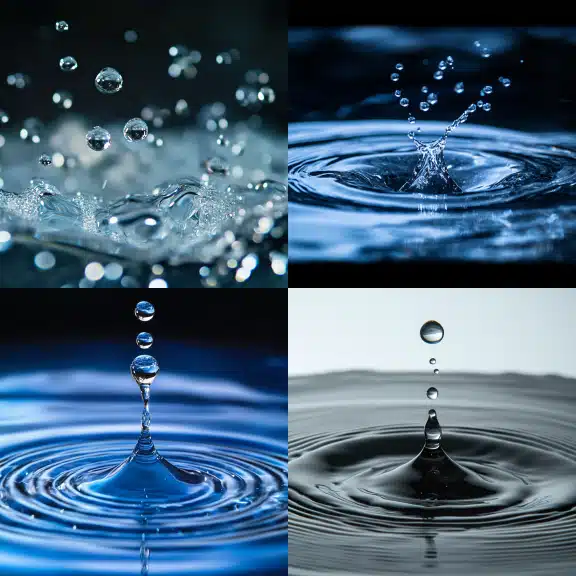
Coalescing Movement in Industrial Systems
Coalescing Movement in Industrial Systems plays a critical role in merging small droplets or particles into larger ones, making it easier to separate contaminants from liquids and gases. This process increases filtration efficiency, reduces contamination risks, and enhances overall system performance. When paired with proper inspection, maintenance, and adherence to Pressure Vessel Safety Standards and Compliance, industries benefit from safer and more reliable operations. Red River supports organizations by designing durable pressure vessels that integrate effectively with coalescing technology for long-term success.
Understanding Coalescing Movement in Industrial Systems
When optimizing business operations, understanding Coalescing Movement in Industrial Systems is essential. But what exactly does it involve? Simply put, coalescing movement is the process where small droplets or particles merge into larger ones. This natural phenomenon is vital in various industries, as it aids in separating fluids and purifying gases for better efficiency and performance.
The primary goal of coalescing movement is to improve filtration processes by ensuring even the smallest debris is effectively removed. In industries like oil and gas, where precision and reliability are crucial, coalescing movement significantly enhances overall operational outcomes.
Key Components Involved in Coalescing Movement
To grasp how Coalescing Movement in Industrial Systems work, it’s important to break down the essential components involved. At Red River, we recognize that the efficiency of coalescing movement depends on harmonized factors like filtration media and additives. Filtration media trap unwanted particles, allowing clean substances to pass through. Meanwhile, additives enhance the separation process by promoting optimal flow and reducing impurities.
By understanding these components, businesses can ensure their systems perform effectively, especially in high-stakes environments like industrial production. With our expertise, Red River helps clients identify the right equipment for achieving their operational goals.
Applications of Coalescing Movement in Industrial Settings
Coalescing Movement in Filtration Systems
Coalescing movement plays a crucial role in improving the efficiency of filtration systems across industries. By merging small droplets or particles into larger ones, it ensures that contaminants are separated from liquids or gases with precision. This is particularly important in industries like oil and gas, where filtration protects equipment and maintains system efficiency.
At Red River, we understand the importance of filtration in reducing operational risks and enhancing productivity. Our solutions, designed with coalescing movement in mind, ensure exceptional performance even in the most demanding industrial environments.
Advantages of Coalescing Movement in Pressure Vessels
Coalescing movement in pressure vessels offers notable benefits, including enhanced efficiency and reduced maintenance costs. By eliminating contaminants effectively, this process extends equipment lifespan, minimizes risks, and improves overall system performance. At Red River, we work closely with clients to ensure their pressure vessels meet rigorous industry standards, providing both safety and reliability.
How to Optimize Your Industrial Systems with Coalescing Movement
Selecting the Right Coalescing Equipment
Choosing the right equipment for Coalescing Movement in Industrial Systems is key to optimizing industrial systems. Start by evaluating your operational needs, including the type of liquids or gases processed and potential contaminants. At Red River, we offer tailored solutions designed to enhance system efficiency and durability. By selecting the right device, businesses can maximize performance and minimize operational challenges.
Maintenance Tips for Long-Term Efficiency
Regular maintenance is essential for ensuring the long-term efficiency of systems using coalescing movement. Establish a routine schedule that includes inspecting and cleaning coalescers, replacing filtration media, and checking for wear or damage. These steps not only prevent unexpected downtime but also extend the lifespan of your equipment, ensuring it continues to perform at peak levels.
At Red River, we recommend proactive upkeep strategies that address potential issues before they escalate. This approach protects your investment and guarantees consistent performance in industrial systems. With the right maintenance practices, your coalescing systems will deliver reliable and long-lasting results.
Coalescing Movement in Industrial Systems
The Coalescing Movement in Industrial Systems provides organizations with a powerful way to improve filtration efficiency, maintain fluid and gas purity, and enhance equipment longevity. It plays a vital role in protecting pressure vessels, supporting compliance with industry standards, and ensuring stable system performance. When paired with proper inspections and adherence to safety guidelines, coalescing becomes an essential part of maintaining reliable industrial operations. Red River continues to support industries with expertly engineered pressure vessels designed to complement coalescing technology and long-term industrial applications.
Need a reliable partner?
Red River specializes in the design and manufacturing of pressure vessels. We also fabricate related items such as prefabricated spools and skid packages.
Reach Out to us today and experience the Red River difference. Where American Made and American Values come together, we care more.
Frequently Asked Questions
1. What is the primary purpose of coalescing movement in industrial systems?
The main purpose of coalescing movement is to merge tiny droplets or particles into larger ones, making them easier to separate from fluid or gas streams. This improves filtration efficiency and helps protect industrial equipment from contamination-related issues.
2. How does coalescing movement improve system filtration?
Coalescing enhances filtration by increasing particle size, allowing filtration media to capture contaminants more effectively. This results in improved performance, reduced filter wear, and greater overall system reliability.
3. Which industries benefit most from coalescing technology?
Industries that rely heavily on clean fluid and gas streams—such as energy, processing, manufacturing, and chemical handling—benefit significantly from coalescing processes due to improved equipment protection and operational efficiency.
4. What challenges can affect coalescing system performance?
Challenges often involve variations in fluid characteristics, contaminant loads, or inadequate maintenance. These conditions may reduce the effectiveness of filtration media or hinder separation performance.
5. How can a business determine the right coalescing equipment?
Selecting equipment requires evaluating contaminants, operating conditions, filtration needs, and long-term system goals. Experts like Red River help match the proper coalescing technology and vessel configuration to the specific application.
Key Takeaways
- Coalescing improves filtration efficiency and protects industrial systems.
- Proper equipment selection enhances system performance.
- Maintenance ensures reliability and long-term durability.
- Coalescing supports pressure vessel compliance and operational safety.
- Red River provides expertly engineered solutions for coalescing applications.
Related Blog Post
Pressure Vessel Design & Engineering: Concept to Launch
What is Pressure Vessel Design and Engineering: Code-Ready Guide
What are the Key Factors in Pressure Vessel Engineering
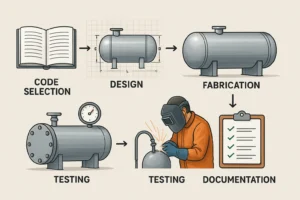
How Do You Design a Pressure Vessel: A Step-By-Step Guide
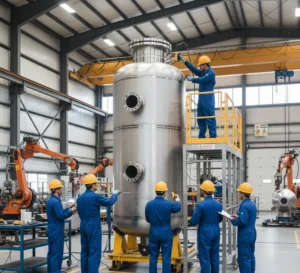
What is Pressure Vessel Fabrication and Manufacturing
No related articles found.
About Author



