Understanding the difference between coalescing filter and water separator is essential for maintaining system efficiency, equipment protection, and clean operation. While both components remove contaminants, they work in different ways and target different impurities. Coalescing filters handle fine aerosols and microscopic particles, while water separators remove bulk liquids. Choosing the right option depends on filtration needs, system conditions, and long-term maintenance goals.
Understanding the Difference Between Coalescing Filter and Water Separator
When it comes to maintaining the efficiency and safety of your commercial equipment, understanding the difference between a coalescing filter and a water separator is crucial. These two components play pivotal roles in ensuring your systems run smoothly. However, they serve distinct features. At Red River, we aim to equip you with the knowledge and expertise to make informed decisions about your pressure vessel needs.
What is a Coalescing Filter?
A coalescing filter is designed to eliminate fine debris and aerosols from gas streams. These filters are particularly important in industries where air quality is critical, such as the oil and gas sector, energy production, and biogas systems.
Specifically, coalescing filters function by forcing gas through a specialized filter medium. This medium traps and coalesces tiny liquid droplets into larger ones, which can then be drained away effectively. As a result, contaminants like oil and water are removed, protecting equipment and improving system performance.
For a deeper explanation of how these systems operate, you may want to read Understanding Coalescing Filters: A Step-by-Step Guide.
Coalescing filtration is also commonly used alongside separator vessels in industrial systems. These systems often operate within engineered containment units such as pressure vessels designed to safely manage process pressure and fluid separation.
What is a Water Separator?
Similarly, water separators are essential for maintaining equipment efficiency and safety. These two components play distinct roles in ensuring your systems operate reliably. Nevertheless, they complement each other in many industrial settings. Water separators primarily remove excess water from fluids, which is vital for preventing equipment corrosion and ensuring operational longevity.
Advantages of Coalescing Filters Over Water Separators
Coalescing filters offer superior filtration capabilities compared to standard water separators when extremely fine contaminants are present.
These filters capture microscopic particles and aerosols, ensuring that contaminants are removed from gas streams at a very fine level. This is particularly important in industries such as oil and gas processing, power generation, and biogas production.
Advanced filtration systems are often paired with industrial separators and pressure vessels designed according to recognized engineering standards. For example, the ASME Boiler and Pressure Vessel Code Section VIII governs the safe design and fabrication of many industrial vessels used in filtration systems.
Enhanced Filtration Capabilities
Coalescing filters are highly effective at removing very small droplets and aerosols that conventional separators may miss. This higher level of filtration improves air and gas purity while protecting downstream equipment such as compressors, turbines, and process vessels.
These filtration systems often operate in conjunction with phase separation equipment used throughout industrial processes. You can explore more about separation systems in Understanding the Role of a Separator in Industrial Processes.
In some applications, specialized separator vessels such as vertical and horizontal separators are used alongside coalescing filters to maximize contaminant removal efficiency.
Maintenance and Longevity
When it comes to maintenance and durability, coalescing filters often outperform traditional water separators.
Because they remove fine contaminants early in the process, they help prevent damage to downstream components and reduce wear on expensive equipment. This results in fewer breakdowns and longer system life.
Routine inspection and monitoring are still essential to ensure reliable operation. Best practices for maintaining process equipment are discussed in Ultimate Guide to Pressure Vessel Maintenance.
Regular monitoring of system contamination is also recommended to prevent failures similar to those described in Understanding the Causes of Pressure Vessel Failure.
Cost-Effectiveness Over Time
Although coalescing filters may have a higher initial purchase cost, they often provide better long-term value.
Their ability to remove fine contaminants reduces maintenance costs, minimizes downtime, and protects sensitive equipment. Over time, this leads to significant savings for industrial operations.
Additionally, using properly designed pressure systems and filtration equipment ensures compliance with safety and engineering standards. A good overview of pressure vessel design considerations can be found in Comprehensive Guide to Pressure Vessel Design and Fabrication.
Choosing the Right Option for Your Needs
Factors to Consider
When finding out between a coalescing filter and a water separator, numerous factors should be taken into consideration to make certain you select the quality choice for your precise requirements. Key factors consist of the type of contaminants gift, the preferred level of filtration, machine pressure, and drift quotes. Understanding the nature of the impurities and the operating situations of your machine will help decide the most effective solution. Additionally, the upkeep desires and standard lifecycle costs of each option have to be evaluated to make a fee-powerful desire.
Industry-Specific Recommendations
Different industries require different filtration solutions depending on the nature of their operations.
For example, oil and gas facilities frequently use coalescing filters to remove aerosols and fine contaminants from gas streams before processing. Many of these systems rely on engineered separation vessels like those discussed in The Role of Separator Pressure Vessels in Industry.
Manufacturing environments and compressed air systems, on the other hand, may benefit more from water separators designed to remove bulk moisture. These systems help prevent corrosion and maintain equipment reliability.
Expert Consultation Services
At Red River, we provide expert session services that will help you make an informed selection. Our group of seasoned experts, led by industry veteran Reilly Sasse, is devoted to supplying personalized guidelines primarily based on your particular utility and industry requirements. We take delight in our commitment to American values and our big enjoyment in pressure vessel production. By operating carefully with you, we make sure that you select the most suitable filtration solution, whether it be a coalescing clear-out or a water separator. Contact us today to examine greater about how we will aid your operations with the satisfactory filtration systems to be had.
Difference Between Coalescing Filter and Water Separator
Understanding the difference between coalescing filter and water separator helps you choose the right solution for protecting your equipment and maintaining system reliability. Both filtration components serve essential purposes, and when used together, they provide comprehensive contaminant control. Consistent maintenance, awareness of system conditions, and proper selection aligned with safety standards ensure long-term value and dependable operation.
Protect Your Equipment with the Right Filtration System
Choosing the right filtration system is crucial to maintaining the efficiency and longevity of your equipment. Whether you need a coalescing filter for fine particle removal or a water separator for bulk liquid removal, Red River offers expert guidance tailored to your needs.
Contact Us today to find the perfect solution and ensure your system runs smoothly.
Frequently Asked Questions
1. What is the primary purpose of a coalescing filter?
A coalescing filter removes fine particles, aerosols, and microscopic contaminants by merging small droplets into larger ones that can be drained away. This helps protect sensitive equipment and maintain clean gas streams.
2. How does a water separator differ from a coalescing filter?
A water separator removes bulk liquids using centrifugal force, gravity, or mechanical separation. Unlike coalescing filters, it does not remove fine aerosols or microscopic contaminants.
3. Can both devices be used together in one system?
Yes. Many systems use a water separator first to remove bulk liquid, followed by a coalescing filter to capture fine contaminants. This combination provides complete filtration.
4. Which industries benefit the most from coalescing filters?
Industries requiring high air or gas purity such as energy, manufacturing, chemical processing, and biogas systems rely heavily on coalescing filters to protect equipment from fine contaminants.
5. How often should these filtration components be inspected?
Inspection frequency depends on system conditions, contaminant exposure, and manufacturer guidelines. Regular monitoring supports proper Pressure Vessel Inspection and Maintenance and helps identify when replacements or cleaning are necessary.
Key Takeaways
- Coalescing filters remove fine aerosols and microscopic particles.
- Water separators remove bulk liquid contaminants.
- Both filtration methods protect equipment from damage and inefficiency.
- Proper maintenance ensures compliance with safety and inspection standards.
- Using both components may provide the most complete filtration solution.
Related Blog Post
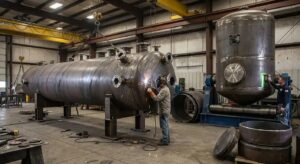
What Are Pressurized Storage Vessels?
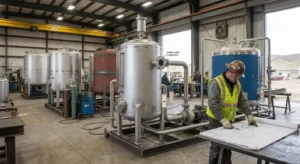
Where to Locate Air Separator Tanks?
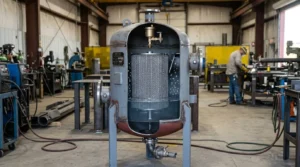
How Do Air Separator Tanks Work?
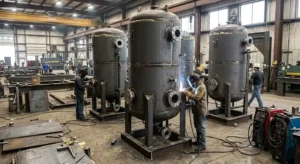
Hydronic Tanks?
What Is a Hydronic Tank?
No related articles found.
About Author