
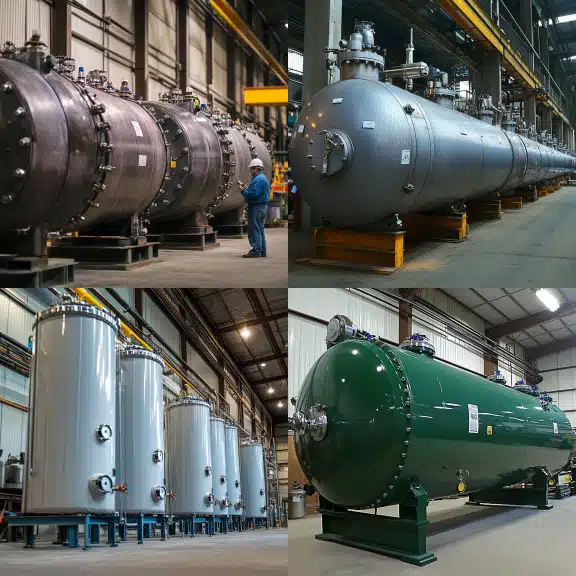
Vertical and horizontal pressure vessels are designed to meet specific industrial needs, with each orientation offering unique advantages. Vertical vessels save space and utilize gravity-assisted flow, making them ideal for compact installations. Horizontal vessels provide stability, easier maintenance, and accommodate large volumes. Choosing the right vessel depends on project requirements, compliance with pressure vessel safety standards and compliance, and long-term operational goals.
Overview of Vertical and Horizontal Pressure Vessels
When it involves deciding on the right pressure vessel for your business desires, knowing the variations among vertical and horizontal vessels is vital. At Red River, we accept as true with providing our clients with nice solutions, tailored to their unique necessities. Here’s a short review to help you navigate the choice among vertical and horizontal pressure vessels.
What are Vertical Pressure Vessels?
Vertical pressure vessels are designed to stand upright, making them a brilliant choice for installations in which area is at a premium. These vessels are often used in industries in which height is less of a constraint, and the process benefits from gravity-fed structures. Vertical vessels are especially popular in programs consisting of water treatment, where their layout allows for clean draining and renovation.
The compact footprint of vertical vessels approach they can be installed in tight areas without compromising on potential. This makes them a go-to choice for facilities seeking to maximize performance without expanding their construction footprint. At Red River, our vertical pressure vessels are engineered with precision, ensuring they meet the best requirements of safety and overall performance.
Understanding Horizontal Pressure Vessels
Horizontal pressure vessels, on the other hand, are laid out horizontally and are best for programs requiring balance and smooth entry to the vessel’s interior. These vessels are regularly observed in industries such as oil and gasoline, where their design allows the managing of huge volumes of liquid or gasoline. The horizontal layout also makes these vessels simpler to move and install in positive scenarios, reducing downtime and operational costs.
Common Applications of Vertical and Horizontal Vessels
The preference between vertical and horizontal pressure vessels frequently comes down to the particular needs of your mission. Vertical vessels are commonly utilized in processes wherein space performance and simplicity of preservation are key issues. They are frequently observed in industries consisting of water treatment, chemical processing, and food and beverage production.
Horizontal vessels, meanwhile, are preferred in situations wherein stability and the capacity to address huge volumes are vital. Industries together with oil and fuel, power era, and minerals extraction regularly depend on horizontal pressure vessels to keep easy operations and decrease the chance of downtime.
Key Differences Between Vertical and Horizontal Vessel Selection
Design and Space Considerations
Vertical vessels are ideal for installations in which ground area is constrained, making use of top-to-shop on the footprint. Horizontal vessels require extra floor region however provide balance and are easier to install in positive configurations, making them better and perfect for sprawling centers or outside installations.
Cost Implications and Efficiency
Cost varies depending on the layout and fabric necessities. Vertical vessels often require less cloth for smaller volumes, which could lessen charges. Horizontal vessels might incur higher preliminary expenses because of their large surface area however regularly provide efficiency advantages in large-scale operations.
Maintenance and Accessibility Factors
Maintenance is commonly greater honest in horizontal vessels because of easier entry to to inner components. Vertical vessels would possibly require extra devices for maintenance, particularly for getting access to better parts of the vessel, which could grow maintenance time and cost.
Safety and Operational Advantages
Safety is a pinnacle priority with each design. Horizontal vessels tend to be greater stable and easier to screen, at the same time as vertical vessels provide gravity-assisted go-with-the-flow, lowering the chance of pressure-related incidents. At Red River, we ensure both alternatives meet the highest protection requirements, tailor-made to your specific desires.
How to Choose Between Vertical and Horizontal Vessels for Your Project
Assessing Project Requirements
The first step in selecting between vertical and horizontal vessels is to thoroughly check your venture requirements. Consider factors like available area, quantity potential, and the character of the substances being processed. Vertical vessels are often favored in area-limited environments, whilst horizontal vessels excel in packages wanting balance and huge-quantity management.
Industry Standards and Compliance
Adherence to industry standards is non-negotiable when deciding on a pressure vessel. Both vertical and horizontal vessels should meet ASME (American Society of Mechanical Engineers) standards and other relevant codes. At Red River, we ensure each vessel we manufacture now not only complies with but regularly exceeds these rigorous standards, making sure protection and reliability.
Expert Recommendations and Best Practices
Finally, consulting with industry specialists can provide precious insights into exceptional practices and potential pitfalls. Our crew at Red River brings years of revel into the desk, presenting tailor-made suggestions based on your unique industry, operational needs, and long-term goals. We prioritize not simply meeting your immediate wishes but additionally positioning your undertaking for future success.
How to Choose Between Vertical and Horizontal Vessels for Your Project
Assessing Project Requirements
- Evaluate available space, volume needs, and fluid properties.
- Vertical vessels are suitable for compact areas, while horizontal vessels are ideal for large-volume operations requiring stability.
Industry Standards and Compliance
- Ensure vessels meet ASME standards and other applicable regulations.
- RedRiver LLC vessels are designed to exceed these standards for maximum safety and reliability.
Expert Recommendations and Best Practices
- Consult specialists for operational insights.
- Prioritize long-term goals alongside immediate project needs.
- Incorporate pressure vessel inspection and maintenance protocols to extend lifespan and maintain compliance.
Need a reliable partner?
Red River specializes in the design and manufacturing of pressure vessels. We also fabricate related items such as prefabricated spools and skid packages.
Reach Out to us today and experience the Red River difference. Where American Made and American Values come together, we care more.
Frequently Asked Questions
1. What Factors Should Be Considered When Determining a Vertical and Horizontal Pressure Vessel?
Consider available installation space, process requirements such as flow rates and material handling, and ease of maintenance. Cost implications, including initial investment and long-term upkeep, should also guide your decision.
2. How Do Vertical and Horizontal Pressure Vessels Affect System Efficiency?
Vertical vessels optimize gravity-assisted processes, enhancing efficiency in liquid separation. Horizontal vessels are better for processes needing large surface areas, such as gas-liquid separation, improving overall system performance.
3. Are There Specific Industries Where Vertical Vessels Are Preferred?
Yes. Water treatment and chemical processing often use vertical vessels for compact design and easy draining. Horizontal vessels are preferred in oil and gas, power generation, and other industries handling large volumes.
4. What Are Long-Term Maintenance Considerations for Vertical and Horizontal Pressure Vessels?
Vertical vessels may require specialized tools for high sections, increasing maintenance time and cost. Horizontal vessels generally provide easier access, reducing routine maintenance efforts. Proper inspection and preventive care are crucial for both orientations.
5. How Do Vertical and Horizontal Vessels Differ in Safety and Compliance?
Vertical vessels benefit from gravity-assisted flow, reducing pressure buildup risks but may need structural support for stability. Horizontal vessels are more stable and easier to monitor. Both must comply with ASME codes and other relevant safety standards.
Key Takeaways
- Vertical and horizontal pressure vessels serve distinct operational needs.
- Vertical vessels save space and utilize gravity-assisted flow.
- Horizontal vessels provide stability and easier maintenance access.
- Compliance with pressure vessel safety standards and compliance is essential.
- Selecting the correct orientation enhances efficiency, safety, and long-term reliability.
Related Blog Post
Pressure Vessel Design & Engineering: Concept to Launch
What is Pressure Vessel Design and Engineering: Code-Ready Guide
What are the Key Factors in Pressure Vessel Engineering
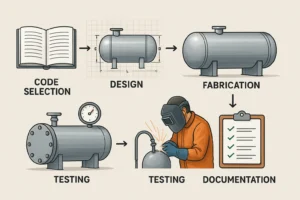
How Do You Design a Pressure Vessel: A Step-By-Step Guide
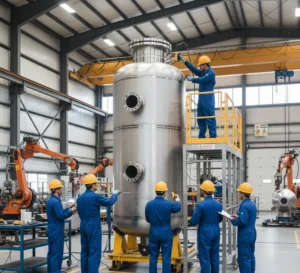
What is Pressure Vessel Fabrication and Manufacturing
No subpillar set for this blog post.
About Author



