

Understanding Water in Your Gas Tank: How to Tell If There Is Water in Gas

Why Knowing How to Tell If There Is Water in Gas Matters
Water in a gas tank is one of the most overlooked problems drivers face. Even a small amount can cause engine misfires, poor fuel efficiency, and costly long-term damage. That’s why learning how to tell if there is water in gas is essential for every car owner.
This guide will show you the causes, symptoms, and fixes for water contamination—and most importantly, how to tell if there is water in gas before it ruins your engine.
What Happens When Water Enters Your Gas Tank?
When water gets into your fuel tank, it sinks below gasoline and eventually reaches the fuel pump. From there, it can flow to the injectors and disrupt combustion. If you know how to tell if there is water in gas, you can recognize these issues before they become expensive repairs.
How Does Water Get Into Gas?
Common sources include:
Condensation :When the tank isn’t full, moisture condenses inside.
Faulty Gas Cap :A loose or cracked cap lets in rain or humidity.
Bad Fueling Conditions : Buying fuel during rainstorms or from gas stations with poorly maintained storage tanks
Drivers who understand how to tell if there is water in gas can catch these issues early.
How to Tell If There Is Water in Gas: Key Symptoms
Knowing the warning signs is the first step. Here’s how to tell if there is water in gas based on your car’s behavior:
Engine Misfires or Rough Idling: The engine sputters when water is present.
Poor Acceleration and Sputtering: The car doesn’t respond smoothly.
Sudden Drop in Fuel Efficiency: Water dilutes gasoline.
Hard Starts or No Start: Severe contamination blocks proper combustion.
If you’ve wondered how to tell if there is water in gas, these are the symptoms to watch for.
How to Fix the Problem After You Find Out ‘How to Tell If There Is Water in Gas’
Once confirmed, here’s what to do:
Use a Fuel Additive : Best for small amounts of water.
Drain the Fuel Tank : For larger contamination.
Replace the Fuel Filter : To prevent further damage.
By knowing how to tell if there is water in gas early, you’ll know whether an additive is enough or if professional help is required.
Fuel Water Separators: Prevention & Extra Protection
Fuel water separators are especially useful when you want to know how to tell if there is water in gas and prevent its harmful effects. They trap water before it enters the engine.
We have several articles that go deeper into this:
How to Prevent Water Contamination
Keep your gas cap tightly sealed.
Avoid refueling during storms.
Keep your tank fuller to reduce condensation.
Install a fuel water separator especially for diesel engines.
These tips work hand in hand with knowing how to tell if there is water in gas.
How to Fix Water in Your Gas Tank
If you suspect that water has entered your gas tank, there are a few methods you can use to resolve the issue. However, the best approach depends on the severity of the contamination.
1. Use a Fuel Additive
For minor contamination, a fuel additive, such as a water-absorbing agent, can help remove the water from the tank. These additives work by chemically binding to the water, allowing it to burn off with the fuel.
2. Drain the Fuel Tank
For larger amounts of water, you may need to drain the fuel tank completely. This process requires removing the fuel tank and flushing it out to ensure no water remains. As a result, this is typically a job best left to a professional mechanic.
3. Replace the Fuel Filter
If the water has traveled through the fuel system, it may have clogged the fuel filter. Replacing the filter ensures that the engine receives clean, uncontaminated fuel.
Learn more about how fuel filters work and how they help in preventing contamination by visiting this page
Don’t Wait – Schedule Your Fuel System Check Today!
If you’re experiencing symptoms of water in your gas tank, don’t wait until the problem worsens. Schedule a maintenance check with us today to ensure your fuel system is in top condition. Contact us for expert advice and professional service.
FAQs
1. What causes water to get into gas?
Water can enter a gas tank due to condensation, a faulty gas cap, or fueling during heavy rain or at poorly maintained gas stations.
2. What are the easiest signs that there is water in gas?
Look for misfires, sputtering, poor acceleration, or sudden drops in fuel efficiency. These are direct indicators of how to tell if there is water in gas.
3. Can I fix water in gas myself?
For minor cases — yes, using additives. For serious contamination — draining the tank and changing filters is safer.
4. Will water in gas damage my engine?
Yes. Fuel system components, injectors, and the fuel pump can all suffer. That’s exactly why understanding how to tell if there is water in gas is vital.
5. How can I prevent water in gas?
Seal the gas cap, refuel at good stations, keep the tank full. Good habits and proper equipment like separators help a lot.
6.How can I prevent water from getting into my gas tank?
Ensure your gas cap is tightly sealed, avoid refueling during storms, and keep your tank full to minimize condensation.
Key Takeaways
Knowing how to tell if there is water in gas helps you catch fuel issues early.
Symptoms include misfires, drops in performance, and fuel efficiency.
Use additives for small issues; bigger problems may need draining or professional attention.
Prevent water contamination with proper sealing, maintenance, and fuel water separators.
Solutions
In the realm of industrial solutions, Red River emerges as a pioneer, offering a diverse range of custom-engineered products and facilities. Among our specialties is the design and production of Custom/OEM Pressure Vessels, meticulously crafted to meet individual client requirements, ensuring performance under various pressure conditions. Our expertise extends to the domain of prefabrication, where Red River leads with distinction.
The company excels in creating prefabricated facilities, modules, and packages, reinforcing its stance as a forerunner in innovation and quality. This proficiency is further mirrored in their Modular Skids offering, where they provide an array of Modular Fabricated Skid Packages and Packaged equipment. Each piece is tailored to client specifications, underlining their commitment to delivering precision and excellence in every project they undertake.


Related Blog Post
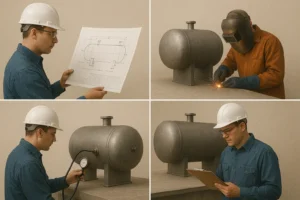
Pressure Vessel Design & Engineering: Concept to Launch

What is Pressure Vessel Design and Engineering: Code-Ready Guide

What are the Key Factors in Pressure Vessel Engineering
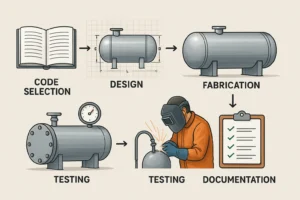
How Do You Design a Pressure Vessel: A Step-By-Step Guide
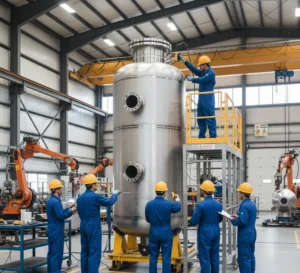
What is Pressure Vessel Fabrication and Manufacturing
No subpillar set for this blog post.
About Author
