
Material Selection Guide: Choosing the Right Materials for Performance
A comprehensive material selection guide forms the foundation of any successful industrial project. The materials you choose directly impact functionality, safety, cost, and longevity. Poor material choices can lead to catastrophic failures, costly repairs, and potentially dangerous situations that could have been avoided with proper guidance.
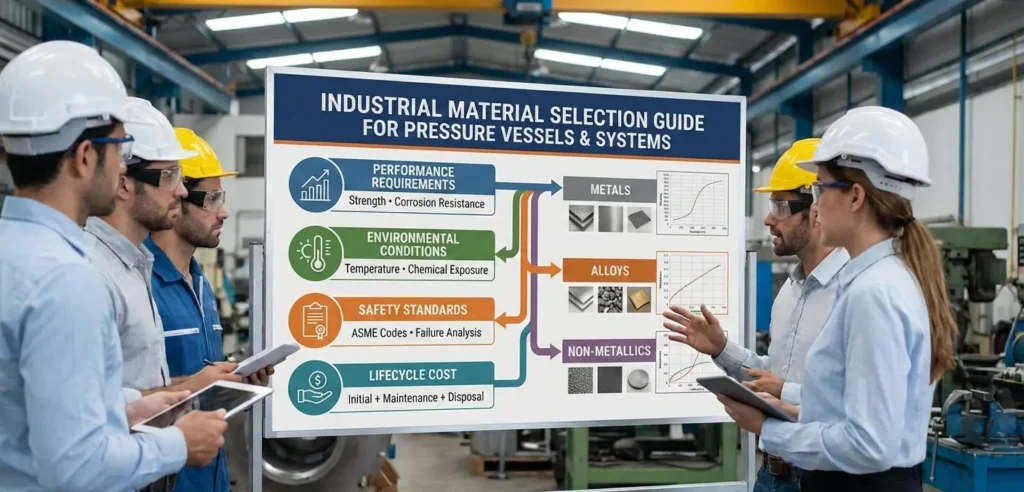
In industrial settings, an effective material selection guide must address materials that often need to withstand extreme conditions. Pressure vessels, piping systems, and structural components frequently operate under high pressures, elevated temperatures, and exposure to corrosive substances. The right material selection guide ensures these systems can handle these demands without compromising integrity.
The cost implications of improper material selection guide usage extend far beyond the initial purchase. While opting for cheaper materials may seem cost-effective initially, it often leads to increased maintenance costs, shorter service life, and potential system failures requiring expensive repairs or replacements. A proper material selection guide balances upfront costs with long-term value.
Safety and compliance considerations cannot be overlooked in any material selection guide. Industrial components must meet stringent industry standards and regulatory requirements. Materials must comply with codes like ASME standards, API, and ASTM specifications. Non-compliance can result in regulatory penalties, insurance issues, and increased liability.
Key Factors in the Material Selection Process
Performance Requirements
Operating Temperature Ranges: A thorough material selection guide must consider temperature’s significant influence on material behavior. Some materials become brittle in cold environments, while others lose strength at high temperatures. Carbon steel performs well up to approximately 800°F, while specialized alloys like Inconel can operate above 2000°F according to most material selection guide standards.
Pressure Tolerances: Any effective material selection guide emphasizes that pressure vessels and piping systems require materials that withstand design pressures with adequate safety margins. High-pressure applications demand materials with excellent tensile strength and fracture toughness.
Corrosion Resistance: A comprehensive material selection guide addresses varying levels of corrosion resistance necessary based on operating environment. Exposure to chemicals, moisture, or corrosive atmospheres can quickly degrade unsuitable materials. Stainless steels, with their chromium content, form protective oxide layers that resist corrosion.
Mechanical Properties: Every material selection guide must evaluate strength, ductility, and hardness as crucial factors. Tensile strength measures resistance to breaking under tension, while ductility measures the ability to deform without fracturing. These properties must align with application demands outlined in your material selection guide.
Environmental Considerations
Chemical Exposure: A reliable material selection guide recognizes that different materials react differently to acids, bases, solvents, and other chemicals. Identifying specific chemicals in your process is essential for selecting materials that won’t degrade, corrode, or fail prematurely.
Weather and Climate: Temperature fluctuations, humidity, UV exposure, and freezing conditions accelerate material degradation. Your material selection guide should specify materials that withstand the specific environmental conditions they will face.
Regulatory Compliance: Materials in industries like oil and gas, pharmaceuticals, and food processing must meet specific standards for purity, traceability, or performance certification. Understanding these requirements early is crucial for any material selection guide, particularly when dealing with OSHA safety regulations.
Economic Factors
Initial Material Costs: While visible, initial costs shouldn’t be the only consideration in your material selection guide. Higher-grade materials offer better lifecycle value.
Fabrication and Processing: Specialized welding procedures, heat treatments, or machining techniques increase overall costs and should be factored into your material selection guide.
Maintenance and Lifecycle: A good material selection guide recognizes that corrosion-resistant materials may initially cost more but require less maintenance and offer longer service life, yielding better long-term value.
Common Industrial Materials and Their Applications
Metal Alloys
Carbon and Alloy Steels: Most material selection guide references highlight these as versatile and relatively low-cost options. Carbon steels contain varying amounts of carbon, which affects strength and hardness. Alloy steels include chromium, nickel, or molybdenum to enhance properties according to materials science principles.
Stainless Steels: Any comprehensive material selection guide emphasizes their excellent corrosion resistance due to chromium content. Austenitic stainless steels (300 series) provide good corrosion resistance and non-magnetic properties, while ferritic stainless steels (400 series) offer moderate corrosion resistance with magnetic properties.
Specialty Metals: A complete material selection guide covers titanium, nickel alloys, and copper alloys for specific applications. Titanium offers exceptional corrosion resistance and strength with lightweight properties. Nickel alloys (Inconel, Hastelloy) excel in extreme temperatures and corrosive environments.
Non-Metallic Options
Polymer-Based Materials: A modern material selection guide includes these for chemical resistance, electrical insulation, and lightweight applications. Thermoplastics can be melted and reformed, while thermosets maintain their shape once cured.
Composites: Advanced material selection guide resources recognize composites combine materials to achieve superior properties. Fiber-reinforced plastics use glass, carbon, or aramid fibers to enhance strength and stiffness while maintaining light weight.
Material Selection Best Practices
Systematic Approach: Following a structured material selection guide methodology involves defining requirements, identifying materials, evaluating options, and validating selections.
Material Requirement Specifications: Document critical requirements in your material selection guide, including mechanical properties, corrosion resistance, temperature ranges, and compliance needs.
Testing and Validation: A thorough material selection guide incorporates prototype testing, coupon testing, or finite element analysis to identify potential issues before full implementation, following FDA testing guidelines where applicable.
Consult Material Experts: The best material selection guide practices involve metallurgists, engineers, and industry specialists to prevent costly mistakes and optimize material choices.
Reaching Optimal Material Decisions
Proper material selection guide implementation is paramount for industrial success. By considering performance, environment, and cost systematically while consulting with experts, you can ensure safety, optimize lifespan, and achieve regulatory compliance following EPA environmental guidelines. Partner with Red River for reliable pressure vessel solutions built with American values.
Need a reliable partner?
Red River specializes in the design and manufacturing of pressure vessels. We also fabricate related items such as prefabricated spools and skid packages.
Reach out to us today and experience the Red River difference. Where American-made products and American Values come together, we care more.
Frequently Asked Questions
1. How to do a material selection?
Material selection involves defining requirements, identifying candidate materials, evaluating properties against specifications, conducting cost-benefit analysis, and performing validation testing to ensure optimal performance for specific applications.
2. What is the ASTM standard for material selection?
ASTM E1131 provides the standard practice for compositional analysis by thermogravimetry, while various ASTM standards like A516, A36, and A240 specify material properties for different applications including pressure vessels.
3. What are the criteria for selecting materials?
- Mechanical properties (strength, ductility, toughness)
- Chemical compatibility and corrosion resistance
- Temperature and pressure limitations
- Cost and availability
- Fabrication requirements
- Service life expectations
4. What is a material selection chart?
A graphical tool that plots material properties (such as strength vs. density or stiffness vs. cost) to compare different materials and identify optimal candidates for specific engineering applications.
5. What are four elements that must be considered when selecting materials?
- Performance requirements (mechanical, thermal, chemical)
- Processing and manufacturing constraints
- Economic factors (cost, availability, lifecycle)
- Environmental impact and sustainability
6. What are the 7 steps of manufacturing?
- Design and engineering
- Material procurement and preparation
- Fabrication and forming
- Assembly and welding
- Quality control and testing
- Finishing and coating
- Final inspection and delivery
Key Takeaways
- Material selection guide implementation is critical for safety, performance, and cost-effectiveness
- Consider performance requirements, environmental factors, and economics when evaluating options
- Follow a systematic material selection guide approach rather than relying on assumptions
- Invest time in proper material specification to avoid costly mistakes
- Consult experts when dealing with critical applications or challenging conditions