
Understanding Unregulated Sources of Drinking Water
When discussing water, many assume every source is thoroughly monitored and regulated but that isn’t always true. Some water sources remain unregulated, creating both opportunities and risks. At Red River, we help clients navigate these complexities, ensuring they understand which water sources are not regulated and how to handle them effectively.
Why Certain Water Sources Are Exempt from Regulations
Some water sources fall outside regulatory oversight due to their nature. For example, groundwater or rainwater harvesting is often less strictly monitored than municipal water supplies. These sources are valuable in many settings, including agriculture and industrial operations. Although not always treated for drinking, they often undergo basic filtration to meet industrial standards.
At Red River, we emphasize that knowing what’s unregulated helps companies make informed decisions about water usage. Our pressure vessel systems are designed to safely and efficiently manage unmonitored water sources, reducing risks while maintaining operational efficiency.
Examples of Commonly Unregulated Water
Several types of water exist outside traditional regulatory frameworks, including:
- Rainwater: Collected from roofs or surfaces, it is typically unregulated unless used as a drinking source.
- Private Well Water: Often unregulated, especially if sourced from rural or agricultural areas outside city jurisdiction.
- Surface Water: Streams, lakes, and ponds used by farms or industries may bypass regulations, though they often carry contaminants.
Red River’s pressure vessels support safe handling of all these water types, ensuring smooth operations regardless of water source.
Risks of Drinking Unregulated Water
Not all water is safe just because it seems clean. Unregulated sources, such as well water or rainwater, may carry harmful contaminants like heavy metals, chemicals, or microorganisms. These risks highlight the need for filtration and proper system design, especially in industries that rely on water for pressure vessels, cooling, or filtration systems.
Types of Water May Not Be Regulated
Certain water sources avoid strict oversight due to their specialized use. For instance, water used in agriculture, power generation, or industrial cooling often falls outside drinking water standards. Proper management ensures these unregulated sources meet operational needs without causing disruptions.
Rainwater Harvesting: Unregulated but Safe?
Rainwater harvesting is common in rural and industrial areas. While largely unregulated, it can collect contaminants such as airborne pollutants or microorganisms. To address this, Red River provides filtration solutions to ensure harvested rainwater is safe for industrial use.
Well Water: Local Variability in Treatment
The quality of well water varies greatly based on location. While some wells produce clean water, others may contain harmful impurities, especially if routine tests are not performed. Red River advises thorough testing and filtration to guarantee safety for any industrial or agricultural application.
Surface Water from Lakes and Streams
Surface water drawn from lakes, rivers, and streams can be appropriated without restrictions into various industries. Such uncontrolled water supply can be relatively accessible, but it may contain bacteria, sediments, and contaminants that can pose a risk.
How Red River Ensures Safe Water for Industrial Applications
Red River understands the importance of water in the proper execution of industrial operations. Whether for cooling, processing, or containing it within pressure vessels, water quality control is integral to efficient operations, safe operations, and compliance. Proper filtration and separation systems are essential when dealing with non-regulated water sources to ensure equipment integrity and process integrity.
In oil and gas, power generation, and chemical processing, water quality control may be made or broken in industries. Corrosion of equipment, scale buildup, or costly shutdowns may be caused by contaminated water. It’s essential to treat and monitor water that’s not regulated, meaning keeping its quality standards high. Business can avoid a significant blow in the infrastructure and can improve long-term productivity with the maintenance of high water quality.
Solutions from Red River to Filtrate and Separate Water
Red River specializes in developing industrial customized filtration and separation solutions. Whether it is unmonitored water from a private well, harvesting rainwater, or surface water, we have technical knowledge and technology for all of these sources. Our advanced filter removes all contaminants, protects your equipment, and ensures the smooth running of all operations. When you choose to engage with Red River, you are choosing reliability, safety, and ultimate water management solution expertise that best suits you.
Why You Should Know Your Water Regulation to Remain Compliant
It is, therefore, of critical importance for the operations of a business that thrives on water to know about its regulation. The type of unregulated water sources depends on whether one works with well water or harvested rainwater. In either way, knowledge about the regulations or their absence can tell it all to your operations. If one disobeys water quality standards, then that person is put in the condition of noncompliance, operational risks, and expensive penalties, which is why businesses have to know which water isn’t regulated and proactively look at how they can manage it well.
Using untreated water may seem convenient but often masks danger and its potential consequences. Until it is treated appropriately, impurities originating from unregulated sources in water can contaminate your equipment, your processes, and consequently your regulatory compliance. In oil and gas, power generation, and manufacturing operations, zero-tolerance environmental and operational standards mean that the game is well defined. If the water is not adequately treated, the threat of failure to comply in many cases, this comes at a hefty fine or even plant shutdown that debilitates your bottom line.
Red River’s Role in Maintaining Your Compliant Water Systems
We can offer customized solutions that will have your water systems complying with the strictest regulations, despite using water not covered by regulation. Our filtration and separation technologies will help you maintain compliance at the same time ensuring efficiency. We commit to the smooth operation of your business and ensuring your business is carried out safely, which is why you need a sure partner when it comes to water management solutions.
Need a reliable partner?
Red River specializes in the design and manufacturing of pressure vessels. We also fabricate related items such as prefabricated spools and skid packages.
Reach Out to us today and experience the Red River difference. Where American Made and American Values come together, we care more.
Frequently Asked Questions
1. Is rainwater safe for direct use in industrial processes without treatment?
Many may think rainwater is clean and does not need treatment for most industrial purposes. However, rainwater can accumulate debris, dust, and pollutants it obtains when falling onto rooftops or other surfaces. In fact, any industry that has water used for cooling, processing, and pressure vessels will need treatment for rainwater. Failure to filter it properly could damage or make the equipment inefficient because of particulates, metals, or even dangerous chemicals.
2. Why isn’t it regulated?
Some of the water sources are exempted from regulation. Private wells, surface water from lakes or streams, and rainwater harvesting systems, for example, are exempted as they are mostly accessed in rural or private settings that don’t have federal or municipal oversight. The non-regulated water source is not connected to the public water system. This does not however mean that the water sources are clean or risk-free, especially when applied in industrial operations. They have to be properly treated and monitored to ensure safety and efficiency.
3. What are the problems associated with the use of unregulated water in industrial equipment?
The use of unregulated water in industrial equipment, especially pressure vessels, may pose greater serious problems. The biggest problem is contamination. Non-treating water sources can hold microorganisms, sediments, toxic metals, and other contaminants that may lead to machinery corrosion, scaling, or even expensive repairs and downtime. In food processing, chemical manufacturing, and pharmaceutical industries, contamination can affect the quality of the finished product. Filtration and separation systems must be in place to prevent these hazards.
4. How do companies sourcing their water supply from a well guarantee its safety?
Those using well water industries may need to install their water treatment systems as most of the water from wells is not tested and thus varies in quality with changes in geology. Testing the well water periodically allows for the detection of such contaminants as bacteria, nitrates, as well as heavy metals. Methods such as filtration, chemical treatment, and UV purification protect well water primarily towards industrial utilization. In that regard, firms may ensure the effective running of their operations while still respecting the region’s standards.
5. Regulation of surface waters versus groundwaters
Surface waters, such as those from lakes, rivers, and streams, are more liable to come into contact with the environment and indeed with pollutants from industrial contaminants, chemicals coming from agricultural run-offs, chemicals, and waste; thus, they might be more vulnerable to pollution. While groundwater is generally ground well water, it can often be contaminated with minerals, bacteria, or naturally occurring chemicals like arsenic. Both surface and groundwater are often uncontrolled; however, in general, surface water is a more hazardous option since any toxic chemical or substance that becomes visible in the environment will be encountered by surface water. Water from both sources must consequently be treated for industrial application to avoid equipment damage and wasted time because of inefficiency in operation.
key takeaways
- Unregulated water sources pose contamination risks: Rainwater, private wells, and surface water are often unmonitored and may contain harmful microorganisms, metals, or chemicals, making proper treatment essential for industrial applications.
- Filtration and separation ensure operational safety: Red River’s pressure vessels and custom filtration systems help remove contaminants, protecting equipment, maintaining efficiency, and preventing costly downtime.
- Knowledge of regulatory status is crucial: Understanding which water sources are regulated or not enables businesses to maintain compliance, avoid fines, and make informed water management decisions.
- Customized solutions safeguard industrial operations: Red River provides tailored systems for rainwater, well water, and surface water, ensuring safe, efficient, and reliable water use across industries like oil and gas, power generation, and manufacturing.
Related Blog Post
Pressure Vessel Design & Engineering: Concept to Launch
What is Pressure Vessel Design and Engineering: Code-Ready Guide
What are the Key Factors in Pressure Vessel Engineering
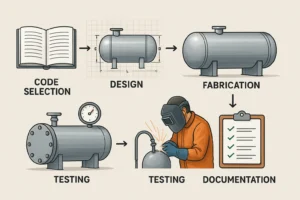
How Do You Design a Pressure Vessel: A Step-By-Step Guide
What is Pressure Vessel Fabrication and Manufacturing
- Conductivity Levels in Drinking Water: Why They Matter for Safety and Industry
- Common Signs Your Drinking Water May Be Unsafe | Red River
- Knowing Safe Drinking Water Standards | Red River
- Why Drinking Water Quality Standards Matter | Red River
- Understanding EPA Contaminants and Their Impact | Red River
- Knowing Safe Drinking Water Standards | Red River
About Author



