
Pressure vessels are containers designed to hold gases or liquids at a pressure substantially different from the ambient pressure. They are widely used in various industries for storing and transporting compressed gases, chemicals, and other substances. There are several types of pressure vessels, each designed for specific applications and operating conditions. Here are some common types:
- Storage Tanks: These are the most basic type of pressure vessels and are used to store liquids or gases at a specific pressure. They come in various shapes and sizes, including cylindrical, spherical, and rectangular designs. Common examples include fuel tanks, water storage tanks, and propane tanks.
- Boilers: Boilers are pressure vessels used to generate steam or hot water for heating, power generation, or industrial processes. They are commonly found in power plants, industrial facilities, and residential heating systems.
Boilers are a specific type of pressure vessel used to generate steam or hot water by heating a liquid (usually water) to produce steam or hot water for various applications. They are a fundamental component in many industrial, commercial, and residential heating and power generation systems. Here, I’ll expound on boiler tanks, providing more details about their design, operation, and common applications:
Design and Components of Boiler Tanks:- Pressure Vessel: The main body of a boiler is the pressure vessel, which contains the water or other heat-transfer fluid. It is typically constructed from steel and designed to withstand high pressures and temperatures. The design and thickness of the vessel depend on the intended operating conditions.
- Heat Source: Boilers use a heat source to transfer energy to the water or fluid inside the pressure vessel. Common heat sources include natural gas, oil, electricity, coal, biomass, or waste heat from industrial processes.
- Burner or Heating Element: In fossil fuel-fired boilers, a burner is used to combust the fuel and generate heat. In electric boilers, heating elements provide the heat directly. The heat source’s energy is transferred to the water through conduction, convection, or radiation.
- Water Circulation System: Boilers have a system for circulating water or steam within the pressure vessel. This system includes pipes, pumps, and sometimes fans to ensure even heat distribution and efficient energy transfer.
- Safety Devices: Boiler tanks are equipped with safety devices to prevent overpressure and overheating, including safety valves, pressure gauges, and temperature controls. These devices help maintain safe operating conditions.
- Operation of Boiler Tanks:
The operation of a boiler tank involves several key steps:- Fuel Combustion: If the boiler uses fossil fuels, the fuel is burned in the combustion chamber, releasing energy in the form of heat. In electric boilers, electricity is used to heat the heating elements.
- Heat Transfer: The heat generated is transferred to the water or fluid in the pressure vessel. This causes the fluid to boil and generate steam or increase in temperature, depending on the application.
- Steam or Hot Water Production: The steam or hot water produced is used for various applications, including space heating, hot water supply, industrial processes, and power generation (steam turbines).
- Control Systems: Boiler tanks are equipped with control systems that regulate the fuel supply, water flow, and combustion process to maintain the desired pressure and temperature within safe limits.
- Common Applications of Boiler Tanks:
- Heating Systems: Boilers are widely used in residential and commercial buildings for space heating and hot water supply. They provide the necessary warmth for radiators, baseboard heaters, and hydronic heating systems.
- Industrial Processes: Many industrial processes require steam or hot water for heating, sterilization, and various manufacturing processes. Boilers are crucial in industries such as chemical processing, food production, and textile manufacturing.
- Power Generation: Large industrial boilers are used in power plants to produce steam that drives steam turbines to generate electricity. This is a common method in both fossil fuel and nuclear power plants.
- Cogeneration (Combined Heat and Power): Some facilities use boilers to simultaneously generate electricity and provide thermal energy for heating or cooling purposes, increasing energy efficiency.
- Steam-Based Mechanical Systems: Steam boilers are used in steam engines, locomotives, and ships for mechanical propulsion.Boiler tanks are subject to strict safety regulations and maintenance procedures to ensure safe and efficient operation. Regular inspections, cleanings, and maintenance are essential to prevent accidents and extend the lifespan of these critical components in various industries.
- Heat Exchangers:Heat exchangers are pressure vessels designed to transfer heat between two fluids (one hot and one cold) without mixing them. They are used in various applications, such as refrigeration, air conditioning, and chemical processing.
A heat exchanger is a device that allows the efficient transfer of heat from one fluid (liquid or gas) to another fluid without the two fluids coming into direct contact. Heat exchangers are ubiquitous in various industrial, commercial, and residential applications where heating, cooling, or heat recovery is required. Here, I’ll expound on heat exchangers, providing details about their design, operation, types, and common applications:
Design and Components of Heat Exchangers:- Heat Transfer Surface: Heat exchangers consist of a surface or set of surfaces that separate the two fluids while allowing heat to be transferred between them. These surfaces can take various shapes, including plates, tubes, fins, or coils, depending on the type of heat exchanger.
- Fluid Passages: Each fluid has its own set of passages or channels within the heat exchanger. These passages can be formed by the heat transfer surfaces themselves (as in plate heat exchangers) or by separate tubes or pipes through which the fluids flow.
- Inlet and Outlet Ports: Heat exchangers have inlet and outlet ports for both the hot and cold fluids. These ports allow the fluids to enter and exit the heat exchanger while maintaining their respective flow paths.
- Partition or Barrier: A physical barrier or partition separates the hot and cold fluids to prevent mixing. The barrier can be made of solid material (as in shell-and-tube heat exchangers) or thin sheets (as in plate heat exchangers) that allow heat transfer through conduction.
- Operation of Heat Exchangers:
The operation of a heat exchanger involves the following steps:- Fluid Flow: The hot and cold fluids are pumped or forced through their respective passages within the heat exchanger. They flow in opposite directions or adjacent paths, depending on the design.
- Heat Transfer: Heat from the hot fluid is transferred through the heat transfer surface to the cold fluid, or vice versa, depending on the temperature difference between the two fluids. Heat transfer occurs primarily through conduction, but convection and radiation can also play a role.
- Temperature Equalization: As a result of heat transfer, the temperature of the hot fluid decreases, while the temperature of the cold fluid increases. The heat exchanger continues to operate until the desired temperature or heat exchange rate is achieved.
- Common Types of Heat Exchangers:
- Shell-and-Tube Heat Exchangers: These are one of the most common types of heat exchangers and consist of a series of tubes within a larger shell. Hot fluid flows through the tubes, while cold fluid flows around the tubes in the shell. They are used in a wide range of applications, including power generation, petrochemical processing, and HVAC systems.
- Plate Heat Exchangers: Plate heat exchangers use multiple thin plates with corrugated surfaces to enhance heat transfer. They are compact and efficient, making them suitable for applications like food processing, refrigeration, and hydronic heating systems.
- Air-to-Air Heat Exchangers (Air Heat Exchangers): These heat exchangers transfer heat between two separate airstreams. They are used in HVAC systems to recover heat from exhaust air and preheat incoming fresh air.
- Heat Recovery Ventilators (HRVs) and Energy Recovery Ventilators (ERVs): These devices are a type of air-to-air heat exchanger used in residential and commercial buildings to improve indoor air quality while recovering energy from exhaust air.
- Finned-Tube Heat Exchangers: Finned-tube heat exchangers consist of tubes with external fins to increase the surface area for heat transfer. They are often used in air-cooling or heating applications.
- Common Applications of Heat Exchangers:
- Heating and Cooling Systems: Heat exchangers are used in HVAC systems for heating, cooling, and ventilation to maintain indoor comfort and energy efficiency.
- Chemical Processing: In chemical plants, heat exchangers facilitate temperature control in various chemical reactions and provide energy efficiency.
- Power Generation: Heat exchangers are used in power plants to cool steam, condense exhaust gases, and improve the efficiency of turbines and boilers.
- Refrigeration and Air Conditioning: Heat exchangers are essential components in refrigeration systems for cooling and heat rejection.
- Waste Heat Recovery: They are used to capture and reuse waste heat from industrial processes to improve overall energy efficiency.
- Process Industries: Heat exchangers play a critical role in sectors such as oil and gas, food and beverage, pharmaceuticals, and pulp and paper production, where temperature control and heat recovery are vital.Heat exchangers come in various designs and configurations to suit specific applications and operating conditions. Their versatility and efficiency make them essential components in many industries, contributing to energy conservation and process optimization.
- Reactors:Reactors are vessels used in chemical and petrochemical industries to carry out chemical reactions under controlled conditions. They can be used for processes like polymerization, fermentation, and synthesis of various chemicals.
- Autoclaves:Autoclaves are high-pressure vessels used for sterilizing equipment and media in laboratories, hospitals, and pharmaceutical manufacturing. They are also used in composite material curing processes.
- Cryogenic Vessels:These pressure vessels are specially designed to store and transport cryogenic fluids like liquid nitrogen, liquid oxygen, and liquefied natural gas (LNG). They are used in industries such as healthcare, aerospace, and natural gas storage and transportation.
- Pressure Vessels for Nuclear Applications:Nuclear reactors use specialized pressure vessels to contain and control the nuclear fission process. These vessels are critical components in nuclear power plants.
- Pressure Piping:While not traditional vessels, pressure piping systems also operate under high-pressure conditions and are used to transport fluids. They include pipelines used for transporting oil, gas, and other fluids over long distances.
- Composite Pressure Vessels:These are lightweight pressure vessels constructed from composite materials like carbon fiber-reinforced polymers. They are used in applications where weight reduction is crucial, such as aerospace and automotive industries.
- Transportation Vessels:These pressure vessels are designed for transportation, typically as part of vehicles or trailers. Examples include compressed natural gas (CNG) cylinders for vehicles and tank trailers for transporting chemicals.
Each type of pressure vessel has its own set of design codes, safety regulations, and inspection requirements to ensure their integrity and safe operation. These vessels play a crucial role in various industrial processes and applications, and their proper design, construction, and maintenance are essential for safety and reliability.
Materials and Efficiency:
Heat exchangers are constructed from various materials, including metals like stainless steel, carbon steel, copper, and aluminum, as well as non-metals like ceramics and plastics. The choice of material depends on factors such as the operating temperature, pressure, and the compatibility of the materials with the fluids being processed. Corrosion resistance and thermal conductivity are also crucial considerations in material selection.
Efficiency is a critical aspect of heat exchanger design. Engineers aim to maximize the efficiency of heat transfer while minimizing pressure drops in the fluid flow. This is achieved by optimizing factors such as the surface area of heat transfer, the flow rates of the hot and cold fluids, and the design of the heat transfer surface itself.
Heat Exchanger Fouling and Cleaning:
Over time, heat exchangers can accumulate deposits, scale, or fouling on their surfaces, which reduces their efficiency. Regular maintenance, including cleaning and descaling, is necessary to ensure optimal performance. Fouling can be particularly problematic in industries where fluids carry impurities or where water hardness is an issue, such as in cooling towers and heat exchangers in power plants.
Specialized Heat Exchangers:
In addition to the common types mentioned earlier, there are specialized heat exchangers designed for specific applications. For instance:
- Immersion Coils: These are used for heating or cooling fluids in tanks or vessels. They consist of a coil of tubing immersed in the fluid.
- Regenerative Heat Exchangers: These devices are used to recover heat from high-temperature exhaust gases and transfer it to incoming cold air or other fluids, improving energy efficiency.
- Phase Change Heat Exchangers: These heat exchangers are designed to facilitate the phase change of a fluid (e.g., vaporization or condensation), such as in refrigeration cycles.
- Microchannel Heat Exchangers: These compact heat exchangers are used in electronics cooling, automotive air conditioning, and other applications where space is limited.
Environmental Considerations:
Efforts are being made to develop eco-friendly heat exchangers with reduced environmental impact. For example, waste heat recovery systems can help reduce greenhouse gas emissions by reusing heat that would otherwise be wasted in industrial processes.
In summary, heat exchangers are versatile and essential devices used across a wide range of industries to transfer heat efficiently between fluids. Their design, materials, and maintenance depend on the specific application, and they play a crucial role in energy conservation, process optimization, and environmental sustainability.
Related Blog Post
Pressure Vessel Design & Engineering: Concept to Launch
What is Pressure Vessel Design and Engineering: Code-Ready Guide
What are the Key Factors in Pressure Vessel Engineering
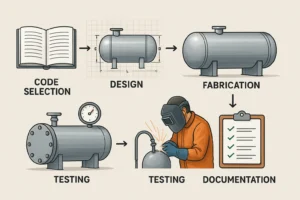
How Do You Design a Pressure Vessel: A Step-By-Step Guide
What is Pressure Vessel Fabrication and Manufacturing
About Author



