
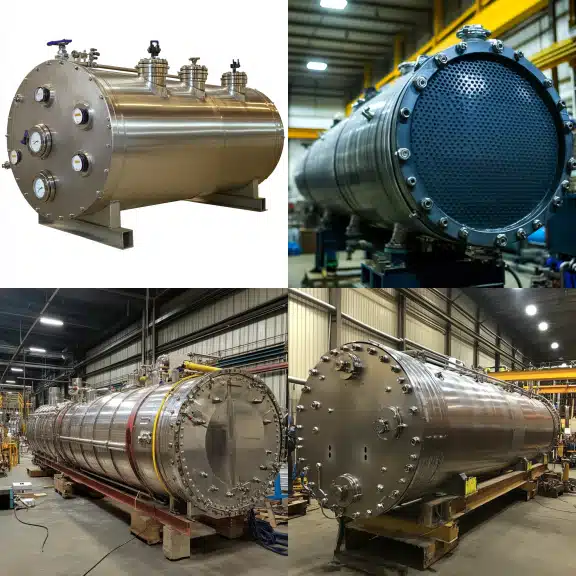
Heat transfer in dehydrator pressure vessels plays a central role in improving dehydration efficiency, protecting equipment, and optimizing operational performance. Proper control of heat flow ensures moisture removal, stable processing, and reduced energy consumption. By understanding how heat behaves inside a vessel, operators can make better decisions on design, maintenance, and material selection. Red River LLC manufactures dehydrator pressure vessels engineered for reliable heat transfer, long-term durability, and compliance with essential safety standards.
Understanding Heat Transfer in Dehydrator Pressure Vessels
At Red River, we understand that effective heat transfer in dehydrator pressure vessels is essential for anyone working in the oil and fuel industries, energy sectors, or any field requiring efficient dehydration. Whether dealing with water, fuel, or other fluids, mastering the basics of heat transfer can significantly enhance performance and efficiency. Let’s explore the key principles of heat transfer in pressure vessel dehydrators and why it matters.
Understanding the Role of Heat in Dehydration Systems
In any industrial dehydration system, heat transfer is vital to ensure that unwanted moisture is effectively removed from the process fluid. Within a dehydrator pressure vessel, heat either facilitates or prevents the separation of moisture from gases or liquids. Proper heat transfer reduces power consumption, accelerates processing, and extends equipment life. At Red River, we design our pressure vessels with precision to optimize heat flow, ensuring every component functions at its best.
Why Heat Transfer is Critical for Pressure Vessel Performance
For commercial dehydration systems to operate effectively, a clear understanding of heat transfer principles is essential. Inefficient heat transfer can lead to higher energy consumption, increased operational costs, and greater maintenance needs. By ensuring optimal heat transfer in dehydrator pressure vessels, you can prevent costly downtime and guarantee reliable equipment performance for years. At Red River, we prioritize manufacturing pressure vessels to meet the highest heat transfer standards, offering you durability and long-term reliability.
Types of Heat Transfer in Industrial Dehydrators
When it involves heat transfer in dehydrator pressure vessels, there are 3 key mechanisms at play:
- Conduction: The switch of warmth via the walls of the vessel itself. This is in particular essential within the substances we pick for your pressure vessels—we optimize for heat conductivity to ensure efficient overall performance.
- Convection: The motion of warmth within fluids, making sure even distribution in the vessel. Our designs take this into account, ensuring that fluids glide smoothly for maximum dehydration efficiency.
- Radiation: Although less common in commercial settings, radiation plays a position in some dehydration techniques. We engineer our pressure vessels to account for any thermal dynamics concerned for your manner.
Key Heat Transfer Mechanisms in Dehydrator Pressure Vessels
Understanding the importance thing warmth transfer mechanisms in dehydrator pressure vessels is crucial for optimizing performance. These vessels depend on three important procedures: conduction, convection, and radiation to efficiently switch warmth, ensuring powerful dehydration of fluids.
Conduction: Direct Heat Transfer in Vessel Walls
Conduction is the process by which warmness is transferred immediately through the partitions of the pressure vessel. In a dehydrator vessel, the cloth of the vessel performs an important position in making sure warmness moves correctly from one aspect to the other. At Red River, we pick out substances that maximize this direct warmness transfer, making sure speedy and uniform heating or cooling, relying on the dehydration manner wishes.
Convection: Heat Flow Through Fluids in Pressure Vessels
Convection refers to the transfer of heat through fluids, together with gasoline or liquids, inside the pressure vessel. Proper vessel layout guarantees fluid flows are optimized for optimum warmth waft, taking into account uniform temperature distribution. This is fundamental for powerful dehydration, stopping hot spots, and making sure of steady overall performance.
Radiation: The Impact of Radiant Heat on Vessel Efficiency
Radiation plays a lesser role in maximum industrial packages, but it may nonetheless impact vessel efficiency. Radiant heat transfer can affect the outer surfaces of the vessel, specifically in excessive-temperature operations. Red River takes this into account, ensuring your device stays efficient across all heat switch mechanisms.
How to Optimize Heat Transfer in Dehydrator Pressure Vessels
Optimizing warmth transfer in dehydrator pressure vessels is crucial for enhancing efficiency, lowering operational expenses, and extending the life of your device. There are several techniques you may appoint to make certain your machine is running at its first rate.
Improving Efficiency with Proper Insulation
One of the simplest and most effective ways to enhance warmth transfer efficiency is by using the usage of proper insulation. Insulating your dehydrator pressure vessel minimizes warmth loss and enables hold constant internal temperatures. By reducing external heat dissipation, you store energy and improve the overall overall performance of the dehydration procedure. At Red River, we make sure that each vessel is geared up with the pleasant insulation acceptable for your procedure needs.
Maintenance Tips for Maximizing Heat Transfer Performance
Regular renovation is fundamental to optimizing the warmness switch on your pressure vessels. Cleaning internal additives, analyzing warmth trade surfaces for construction, and ensuring seals are intact can all enhance warmness switch efficiency. Proactive preservation prevents minor troubles from escalating into high-priced downtime and upkeep.
Common Issues Affecting Heat Transfer in Pressure Vessels
Some common issues that negatively affect warmth switches consist of fouling of inner surfaces, insufficient insulation, and inefficient fluid going with the flow. Identifying and addressing those problems directly can appreciably improve the performance of your pressure vessel, making sure consistent and reliable overall performance. Red River crew can help with troubleshooting and optimizing your machine to conquer those challenges.
Choosing the Right Dehydrator Pressure Vessel for Your Heat Transfer Needs
Selecting the right dehydrator pressure vessel is crucial for ensuring the most excellent heat transfer and green dehydration in your operations. At Red River, we recognize that every application is precise, and we work carefully with you to pick the exceptional solution for your specific desires.
Selecting Materials for Optimal Heat Conductivity
The materials utilized in a pressure vessel can drastically impact warmness conductivity. For powerful warmness switches, materials like chrome steel and carbon metallic are regularly preferred for their ability to resist high temperatures and corrosion, ensuring lengthy-lasting overall performance. When deciding on the right material, it’s crucial to consider both thermal conductivity and the environment in which the vessel will operate. Red River enables you to navigate those alternatives, making sure the materials we choose provide the quality warmness switch performance to your utility.
Understanding Pressure Vessel Design for Efficient Dehydration
A well-designed pressure vessel promotes green heat transfer and easy fluid glide. Factors like vessel geometry, surface vicinity, and inner additives all affect how warmth acts via the system. Proper vessel design guarantees even heating, prevents hot spots, and maximizes dehydration performance. At Red River, we take a custom approach to designing pressure vessels, ensuring everyone is tailored to fulfill the heat switch needs of your operation, providing you with the reliability and performance you want.
Heat Transfer in Dehydrator Pressure Vessels
Heat Transfer in Dehydrator Pressure Vessels is a crucial part of achieving consistent moisture removal, energy savings, and long-term reliability. From conduction and convection to insulation and maintenance, every factor contributes to overall vessel performance. RedRiver LLC builds dehydrator pressure vessels engineered to support strong heat transfer, safety compliance, and efficient operation for long-term productivity.
Need a reliable partner?
Red River specializes in the design and manufacturing of pressure vessels. We also fabricate related items such as prefabricated spools and skid packages.
Reach Out to us today and experience the Red River difference. Where American Made and American Values come together, we care more.
Frequently Asked Questions
1. What Elements Affect Heat Transfer Performance in Dehydrator Pressure Vessels?
Heat transfer performance is influenced by vessel materials, fluid behavior, insulation quality, and the design of internal components. These factors determine how efficiently heat flows through the system during dehydration.
2. What Are the Signs That Heat Transfer Is Underperforming?
If heat transfer is underperforming, operators may notice temperature imbalance, inconsistent output quality, increased energy use, or buildup on internal components.
3. What Are the Benefits of Using Stainless Steel for Heat Transfer in Pressure Vessels?
Stainless steel supports strong heat conductivity, corrosion resistance, and long-term durability. These qualities make it ideal for dehydrator systems.
4. How Can Heat Transfer Be Improved in an Existing Pressure Vessel?
Heat transfer can be improved by cleaning internal surfaces, upgrading insulation, maintaining fluid flow pathways, and enhancing the vessel’s components.
5. What Role Do Internal Components Play in Heat Transfer?
Internal components help guide fluid movement and ensure uniform heat distribution throughout the system. Proper design prevents hot spots and improves overall dehydration efficiency.
Key Takeaways
- Heat transfer is essential for moisture removal and stable processing
- Conduction, convection, and radiation each support heat flow
- Insulation and proper maintenance protect vessel efficiency
- Material selection significantly affects heat transfer performance
- Red River LLC designs dehydrator pressure vessels for optimized heat behavior
Related Blog Post
When Are Deaerators Required in Pressure Systems?
How Do Deaerator Tanks Cut Oxygen in Boiler Systems?
Deaerator Tanks: ASME Fabrication for Steam Systems
Which Connections Fit Receiver Tanks?
How Do Receiver Tanks Affect Cycle Time?
About Author



