
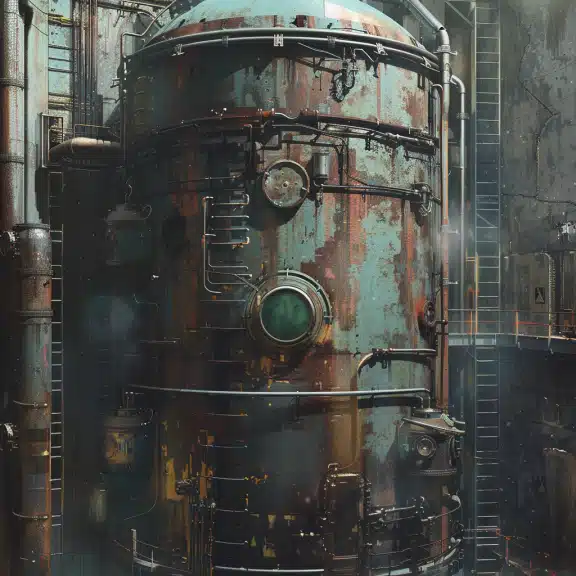
Pressure vessel failures can lead to significant safety hazards, operational disruptions, and long-term financial consequences. Understanding Pressure Vessel Failures helps organizations identify risks early, improve maintenance practices, and comply with essential safety standards. By analyzing common causes, failure types, and prevention strategies, industries can strengthen reliability and operational safety. With professional fabrication, inspection, and support from Red River, companies can reduce risks and ensure long-term pressure vessel integrity.
Understanding Pressure Vessel Failures
Welcome to Red River, your trusted companion in pressure vessel production. Gain insight into the arena of pressure vessels and discover the significance of know-how and the effects of failure.
Why Pressure Vessels Fail
Explore the common reasons at the back of pressure vessel failures with Red River. From corrosion to production defects, discover the factors that impact the integrity of those important additives.
Types of Pressure Vessel Failures
Delve into the numerous situations of pressure vessel screw-ups, such as structural issues, leakage, fire, and environmental impacts. Red River sheds light on the numerous challenges those vessels might also come across.
Real-international Case Studies
Learn from real-international incidents as Red River highlights superb case studies, offering precious insights and instructions found beyond pressure vessel disasters. Your protection is our priority.
Immediate Consequences
Understand the instant repercussions of a pressure vessel failure on commercial tactics, employee protection, and the surroundings. Red River emphasizes the urgency of addressing those demanding situations.
Long-term Effects
Navigate the legal, economic, and reputational aftermath of pressure vessel disasters. Red River publications you through the long-term results and recovery challenges groups might also face.
Safety Measures and Prevention
Discover the proactive steps Red River recommends for preserving pressure vessel integrity. From normal inspections to compliance with safety requirements, we prioritize your protection.
Emergency Response
Prepare for the sudden with Red River guidance on immediate steps to take for the duration of a pressure vessel failure. Our communique protocols and crisis control techniques ensure a fast reaction.
Industry Regulations
Stay knowledgeable approximately relevant safety regulations with Red River. We offer a top-level view of compliance requirements for pressure vessels, making sure your operations align with industry standards.
Advancements in Pressure Vessel Technology
Explore the modern innovations in pressure vessel layout and substances. Red River showcases present-day generation and stronger safety features for a secure production procedure.
Understanding Pressure Vessel Failures
Understanding Pressure Vessel Failures enables industries to strengthen safety systems, reinforce maintenance strategies, and reduce operational risks. By identifying failure sources, implementing modern technology, and complying with safety standards, organizations can ensure that pressure vessels operate efficiently over their full lifespan. With the right approach and reliable fabrication partners like Red River, pressure vessel safety becomes a long-term commitment.
Need a reliable partner?
Red River specializes in the design and manufacturing of pressure vessels. We also fabricate related items such as prefabricated spools and skid packages.
Reach Out to us today and experience the Red River difference. Where American Made and American Values come together, we care more.
Frequently Asked Questions
1. How often do pressure vessels need to be inspected?
Inspection frequency depends on operating conditions, materials, and safety requirements. Routine inspections safeguard reliability and help identify issues before they escalate.
2. What are the safety standards for pressure vessels?
Safety standards define requirements for construction, testing, operation, and maintenance. These standards ensure strong system integrity and consistent performance.
3. How to inspect a pressure vessel effectively?
Effective inspection includes checking structural integrity, evaluating weld quality, assessing corrosion, and using non-destructive testing methods.
4. What is ASME code for pressure vessel safety?
The ASME code outlines design, fabrication, testing, and inspection requirements to ensure pressure vessels operate safely under all conditions.
5. How do pressure vessels comply with safety regulations?
Compliance involves following approved standards, implementing proper maintenance, documenting inspections, and ensuring trained operators handle vessel systems.
6. What to include in a pressure vessel inspection checklist?
A complete checklist includes exterior inspection, weld assessment, corrosion evaluation, safety valve testing, and documentation verification.
Key Takeaways
- Understanding failures leads to stronger safety practices.
- Regular inspections are essential to preventing risks.
- Compliance with standards ensures operational reliability.
- Modern technology improves vessel safety and performance.
- Partnering with experts like Red River strengthens long-term safety.
Related Blog Post
Pressure Vessel Design & Engineering: Concept to Launch
What is Pressure Vessel Design and Engineering: Code-Ready Guide
What are the Key Factors in Pressure Vessel Engineering
How Do You Design a Pressure Vessel: A Step-By-Step Guide
What is Pressure Vessel Fabrication and Manufacturing
No subpillar set for this blog post.
About Author



