
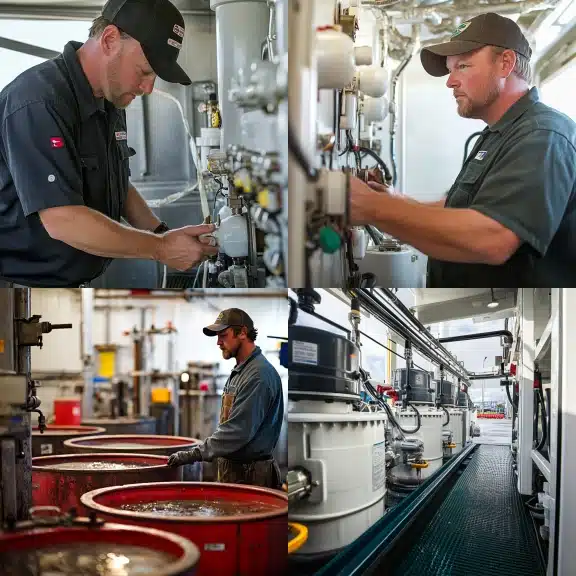
Proper placement of a fuel water separator is essential for engine protection and fuel system efficiency. Installing it between the fuel tank and engine—preferably in a vertical position—enhances water separation and simplifies maintenance. Incorrect placement can lead to clogs, leaks, and fuel contamination. Red River recommends following all manufacturer guidelines to ensure performance and longevity.
Understanding the Importance of Proper Placement
Knowing where to put a fuel water separator is beyond critical when trying to ensure longevity and efficiency in the fuel system of your vessel. Here at Red River, we believe that the right placement can make all the difference in performance, safety, and equipment life. Because of our deep-rooted commitment to American values and quality manufacturing, every project is treated with the precision and care it deserves.
What is a Fuel Water Separator?
A fuel water separator is a crucial device for your fuel system that enables the separation of water and other contaminants from your fuel before it reaches your engine. This, in turn, not only prevents potential damage to the engine but also enhances overall performance. Whether related to the oil and gas segment, power generation, or any field requiring reliable fuel, the placement of the fuel water separator is a critical factor.
Why Proper Placement is Crucial to Performance
Placement directly impacts the efficiency of a fuel water separator. Ideally, placing it in the correct position maximizes separation and prevents water and contaminants from causing damage. At Red River, we emphasize the importance of following the installation guide for the fuel water separator to ensure the product works as intended. Poorly placed separators reduce efficiency, raise maintenance costs, and can even lead to system failures.
Avoiding Common Installation Mistakes
Installing a fuel water separator may seem straightforward; however, common mistakes can severely degrade the performance of your separator. These include failing to choose the right location in your fuel system, neglecting manufacturer guidelines, or overlooking routine maintenance.
How to Install a Fuel Water Separator: A Step-by-Step Guide
Properly installing a fuel water separator is crucial for fuel system efficiency and performance. At Red River, we have put together a general guide to assist you in making the right decisions as you install your separator.
Determining Where in the Fuel System to Install Your Separator
The ideal location for the fuel water separator is usually between the fuel tank and the engine, positioned to trap water and other contaminants before they reach the engine. The closer it is to the tank, the better the separation, giving your engine cleaner fuel. Always consider the flow direction and ensure the separator is easily accessible for routine maintenance.
Installation Tips for Maximum Efficiency
For maximum efficiency, ensure all connections are secure and leak-free. The separator should be installed at a level that allows gravity to assist in water separation. Installing it vertically is generally recommended, as this position allows for better separation of water from the fuel. Always follow the manufacturer’s instructions to avoid any problems.
Tools You’ll Need for Proper Installation
To properly install a fuel water separator, you’ll need a few tools, including a wrench set to tighten fittings, fuel-safe hoses, clamps, and a mounting bracket. Having these components will make the installation process easier and ensure your separator is installed securely.
How to Maximize Fuel Water Separator Effectiveness
Your fuel water separator is integral to maintaining your engine’s health and the overall efficiency of your fuel system. At Red River, we understand how small adjustments can significantly improve performance. Here’s how you can get more out of your separator.
How Positioning Affects Water Separation
Where you place your fuel water separator is crucial in determining how effectively it separates water from your fuel. By mounting your separator near the fuel tank and vertically, gravity can assist in more efficient separation. Proper placement ensures that water and contaminants are trapped before they reach the engine, preventing damage.
Maintenance After Installation
Regular maintenance ensures your fuel water separator continues to perform well. This includes regularly draining water from the separator, inspecting it for blockages or leaks, and replacing the filter element as needed. These tasks will help extend the life of your separator and keep your fuel flow clean.
Troubleshooting Post-Installation Common Problems
Even with proper installation, problems can arise. Common issues include leaks, low fuel flow, or poor water separation. If you experience these, check the tightness of the fittings and connections, look for blockages in the separator, and verify that it is mounted correctly. For persistent issues, don’t hesitate to consult the experts at Red River to ensure your system operates smoothly.
Need a reliable partner?
Red River specializes in the design and manufacturing of pressure vessels. We also fabricate related items such as prefabricated spools and skid packages.
Reach Out to us today and experience the Red River difference. Where American Made and American Values come together, we care more.
Frequently Asked Questions
1. What should I consider when choosing a fuel water separator for my system?
Consider your fuel type, operating environment, and fuel system size. Diesel systems in humid conditions benefit from high-capacity separators for better protection.
2. How often should the filter element be changed?
Check the filter every 250 to 500 hours or sooner if performance drops. Always follow the manufacturer’s recommendations for best results.
3. Can a fuel water separator remove contaminants other than water?
Yes, most separators also filter out dirt, rust, and debris. This protects the engine from abrasion and extends fuel system life.
4. What happens if a fuel water separator is not drained regularly?
Water buildup can overflow into the engine, causing corrosion or failure. Regular draining maintains efficiency and prevents costly damage.
5. How do I know if my fuel water separator is working correctly?
Monitor fuel pressure and engine performance for signs of clogging or water overflow. Visual indicators and sight glasses can also help confirm separator status.
Key Takeaways
- Mount the fuel water separator between the tank and engine for best results.
- Vertical installation allows gravity to aid in water separation.
- Incorrect placement can reduce efficiency and cause fuel contamination.
- Regular draining and maintenance are essential to prevent engine issues.
- Red River provides expert support to ensure proper installation and performance.
Related Blog Post
Pressure Vessel Design & Engineering: Concept to Launch

What is Pressure Vessel Design and Engineering: Code-Ready Guide
What are the Key Factors in Pressure Vessel Engineering
How Do You Design a Pressure Vessel: A Step-By-Step Guide
What is Pressure Vessel Fabrication and Manufacturing
No subpillar set for this blog post.
About Author



