Choosing the Best Place for Your TIG Certification
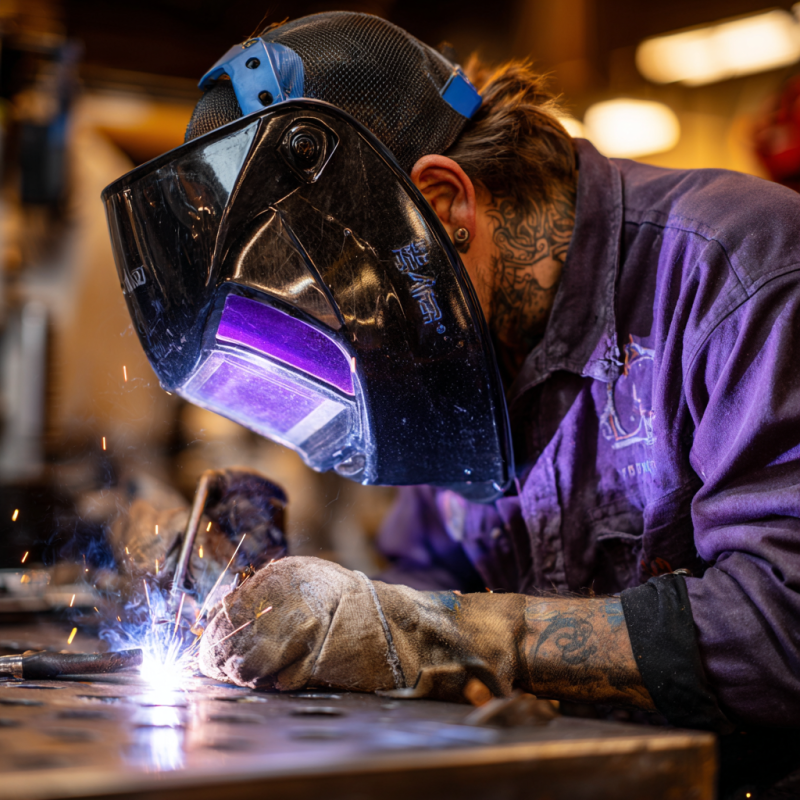
If you are searching for where to take tig welding certification test, you are not alone. Many aspiring welders pursue a credential that proves skill in gas tungsten arc welding (GTAW). Options include local community colleges, specialized company programs, or on-site TIG welding certification training facilities. Each path builds confidence with stainless or carbon steel in demanding industries like pressure vessel fabrication. In fact, Red River, a leader in industrial solutions, offers certification with hands-on experience in Pressure Vessels, Prefabrication, and Modular Skids.
Where to take tig welding certification test: An overview
You have several options for taking a TIG welding certification test, from community colleges to industrial providers. TIG welding certification training may focus on stainless, carbon steel, or specialty alloys depending on joint design and certification code. Choosing the right path ensures you meet industry requirements and career goals.
- Technical colleges: Many community colleges offer welding programs including structured courses and a TIG certification test.
- Union apprenticeship halls: Union halls offer training, practical tests, and competitive union-backed jobs.
- Industrial equipment providers: Red River, offers training, testing, and real-world fabrication experience simultaneously.
- Online theory combined with in-person tests: Some programs offer remote theory studies with final weld tests onsite.
Because GTAW welding requires precision, you want a setting that lets you practice consistently. Look for a well-lit workshop, up-to-date welding gear, and guidance from certified instructors. The best place to take your test is one that encourages growth and ensures you meet industry standards.
Understand your GTAW welding certification options
Beyond finding where to take tig welding certification test, you also need to choose the right certification path. GTAW, also known as TIG welding, is valued for its precision, making it common in pressure vessel manufacturing, thin-walled fabrication, and other detail-driven jobs. Many welders pursue structured welding certification programs to master these skills.
According to Red River’s team, an ASME certified pressure vessel manufacturer, GTAW welding is an essential skill for building reliable vessels that handle intense pressure. They emphasize that structured welding certification programs help welders meet strict codes, while specific stamps (like U4 & R) confirm compliance with rigorous industry standards.
There are a few recognized certification routes:
- AWS D17.1 (Aerospace Welding Certification). This route covers tight requirements for aerospace projects.
- ASME Section IX. This code deals with pressure vessels, piping, and more. If you plan on working with industrial tanks or process modules, this might be your target.
- API 1104. Focused on pipeline welding, especially for oil and gas.
- Custom certifications. Certain companies, including Red River, offer in-house programs tailored to their fabrication processes, often featuring real-world test plates and joints.
If you want more details, you can turn to resources like this overview of welding certifications to size up each code requirement.
Choose a training environment that fits you
While you may dream of jumping right into a performance-based welding exam, it is wise to invest time in proper training. Many programs incorporate tested approaches like face-to-face instruction, practice labs, and targeted feedback on your technique. If you need a comprehensive roadmap, visit welding certification classes for an overview of how structured classes can prepare you.
When looking at training environments, evaluate:
- Instructor experience. Practical know-how matters: do they weld actively or use outdated methods?
- Equipment quality. Good facilities maintain advanced GTAW equipment with proper gas and power.
- Flexible schedules. If you balance a day job or family responsibilities, you might need weekend or evening classes.
- Hands-on practice. Red River programs provide weld joints replicating real job site conditions.
- Attitude and culture.Supportive environments like Red River boost skilled trades pass rates.
For example, Red River replicates the same conditions you meet on a real job site, ensuring your test reflects industry realities.
Use prefabrication and modular practices to your advantage
If you dream of working on large-scale industrial projects, consider a test site that emphasizes prefabrication. According to Red River’s findings, prefabrication can reduce errors caused by weather, minimize changes during construction, and improve cost-efficiency.
Here is how it affects your certification test:
- Controlled conditions: Prefabrication reduces weather issues, ensuring stable arcs and proper gas coverage.
- Time efficiency: Centralized facilities reduce delays, speeding up welding test preparation effectively.
- Enhanced accuracy: Advanced software ensures clear spool drawings and precise weld fitting guidance.
- Safety: Prefabrication sites like Red River enforce safety, quality, fostering test readiness.
Red River’s modular skid packages involve thorough QA checks to ensure a consistent welding environment.
Focus on safety and compliance
TIG welding, while rewarding, also involves high-heat arcs, shielding gases, and molten metal. Your well-being depends on following the correct protocols, which is why safety standards are part of most certification tests and emphasized during a welding apprenticeship.
According to Red River’s Quality Control standards, every vessel goes through strict ASME inspections before leaving the facility. This mindset applies to certification tests as well.
- Wear flame-resistant gear and welder’s gloves.
- Maintain proper ventilation.
- Secure your shielding gas supply to prevent leaks.
- Double-check grounding clamps to avoid electrical hazards.
If you train at a facility committed to safety, you are more likely to pass the exam confidently. A good test site will not compromise on protective gear or safety protocols. Many welding apprenticeship programs also emphasize these practices. When in doubt, discuss safety measures with instructors or the facility.
Where to take tig welding certification test
When you consider where to take TIG welding certification test, think about environments that are supportive, data-driven, and aligned with your goals. Whether you choose a community college, a union hall, or an industrial solutions provider like Red River, remember that your end game is a rigorous, respected credential.
If you are unsure of your next move, start by reviewing available programs near you. Some sites let you bundle hands-on preparation with the final weld test, so you do not have to juggle multiple locations.
Ready to Start Your TIG Welding Certification?
If you’re serious about welding, the next step is clear: choose a training and testing site that aligns with your career goals. Don’t wait contact Red River today and secure your future as a skilled welder.
Frequently Asked Questions
1. How to pass TIG welding certification test?
You can pass a TIG welding certification test by practicing consistent weld quality, understanding welding symbols, and meeting the required industry standards.
2. What is on the tig welding certification test?
The TIG welding certification test typically includes written questions on safety and procedures along with a hands-on welding performance test.
3. How long does it take to earn a TIG certification?
Program duration depends on experience; structured courses last weeks, while advanced welders may test in one day.
4. Do I need additional certifications beyond TIG?
Career goals matter; employers value multiple skills, including TIG, stick, MIG, or pipe welding certifications.
5. Can I learn TIG welding online?
Theory can be learned online, but practical, in-person training is essential for mastering TIG welding.
6. Will certification help me land better jobs?
Yes, employers value standardized proof of skill; a TIG certificate demonstrates meeting industry requirements.
7. Where does Red River fit into this?
Red River trains and tests welders on ASME projects, focusing on industrial applications and modules.
Key takeaways
- Seek a test site that provides real-world equipment, supportive instruction, and clear safety protocols.
- Understand different code requirements, such as ASME for pressure vessels or API for pipelines, then choose the one that aligns with your goals.
- A structured training approach, including practice labs or apprenticeships, can improve pass rates and help you feel more confident in your skills.
- Prefabrication offers controlled environments that reduce errors and provide a clear blueprint for your certification test.
Related Blog Post
Industrial Fuel Contamination: Causes and Risks
Typical Safety Factor for Pressure Vessels
Sheet Metal Fabrication Services in Texas: Red River LLC
Why Use Custom Sheet Metal Fabrication for Your Next Project
How Does Custom Sheet Metal Fabrication Work?
About Author