
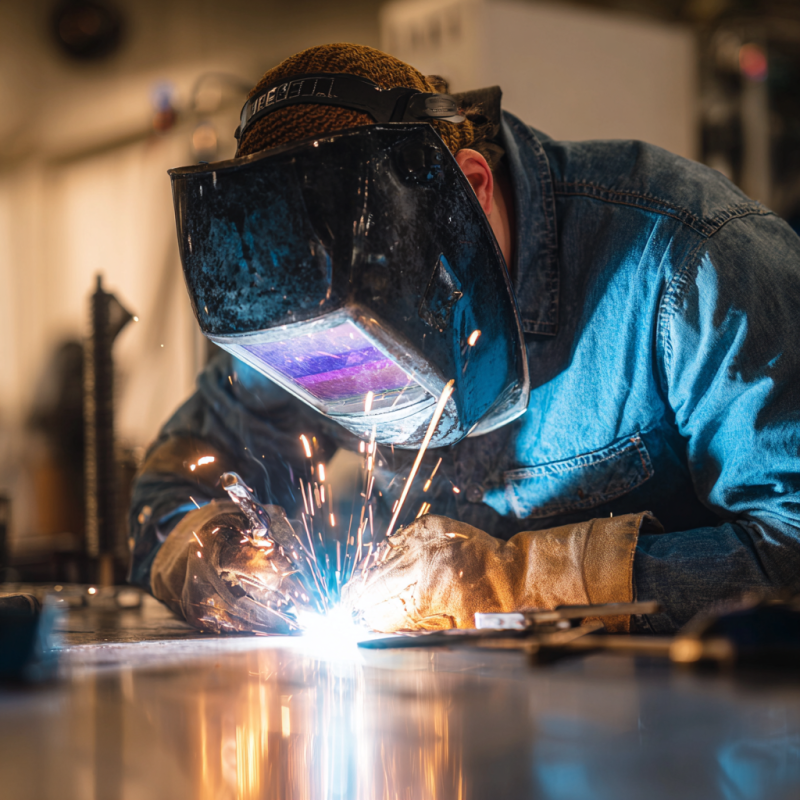
Why Choosing Where to Take Welding Certification Classes Matters
If you’re exploring where to take welding certification classes, GTAW (TIG) welding stands out for its clean, precise welds valued in industries like oil and gas, water treatment, and prefabrication. Many pursue this certification to work with stainless steel or exotic metals and to master advanced, detail-oriented techniques. Accredited programs backed by organizations like AWS and ASME provide both theory and hands-on training, covering design, fabrication, and inspection to meet strict codes. By choosing a reputable training center, you gain credible qualifications, practical experience with modern equipment, and skills that open doors to specialized roles while keeping you competitive in an evolving industry
Explore Welding Certification Options
Choosing the right welding certification program is a big step toward your career goals. The right training not only teaches technical skills but also prepares you for industry standards, hands-on challenges, and future job opportunities.
- Making an Informed Choice: Start by clarifying your goals. If you want to specialize in GTAW, look for programs focused on TIG welding. General welding schools or community colleges can provide broad skills, but advanced fields like modular fabrication or pressure vessel work require strong GTAW training.
- Look for Recognized Credentials: Choose facilities with AWS- or ASME-aligned curriculums to ensure quality standards. Some centers also hold U4 & R stamps, proving compliance and expertise.
- Prioritize Hands-On Training: Welding must be practiced, not just studied. Select a program with real workshop access, GTAW stations, and smaller class sizes for personalized guidance.
- Ask About Industry Partnerships: Schools with ties to manufacturing or engineering companies make training more relevant and help you build connections for future job opportunities.
- Consider Flexible Scheduling: If you’re working or balancing other responsibilities, look for evening, weekend, or modular courses to fit your schedule.
Understand key GTAW requirements
Once you know which facility might work for you, it is useful to dig into the actual GTAW requirements. GTAW welding certification classes generally cover fundamental safety protocols, electrode selection, torch handling, and special shielding gas usages. The more you understand these from the beginning, the easier it is to adapt to different materials and contexts.
- Core Skills: GTAW classes cover safety basics, electrode selection, torch handling, and shielding gas use. Understanding these early helps you adapt to different materials and settings.
- Technique and Control: GTAW is about precision, not speed. You’ll learn to manage the weld pool, filler material, and heat input to avoid warping or cracking. Certified instructors can guide you in welding various thicknesses and metals.
- Safety Practices: Training emphasizes PPE, ventilation, and safe handling of gas cylinders, confined spaces, and high heat. Attention to detail prevents accidents and defects.
- Code Compliance: Look for courses aligned with AWS or ASME standards. Some industries, such as petrochemical, demand strict certification to ensure safety and quality.
Compare on-site vs online training
As you figure out where to take welding certification classes, you may come across online options or blended learning models that combine virtual theory sessions with in-person lab work. Though you cannot learn purely hands-on skills through the internet, certain technical or theoretical components of welding can be done online. This approach can be helpful if you live far away from a major training center or prefer a flexible study schedule.
- On-Site Classroom Advantages: In-person classes offer direct mentorship, real-time feedback, and industry-grade tools. Some centers even use advanced software for isometrics and shop drawings to simulate real projects.
- Benefits of Online Learning: Digital tools like video lessons, quizzes, and material guides let you learn at your own pace. Online options work well for busy schedules, but make sure they include in-person labs for hands-on practice.
- Finding the Right Balance: Blended programs can be effective if they provide enough practical hours. Certifications, especially advanced GTAW, often require documented welding practice to qualify.
Consider welding certification at Red River
One route you might explore is attending a dedicated training facility like Red River. They are an ASME-certified pressure vessel manufacturer, known for delivering custom solutions in modular skids, prefabrication, and packaged equipment. Red River Team is also a member of the American Welding Society (AWS) and has the U4 & R stamps, which confirms a high level of expertise and consistent compliance with industry standards. This is important if you value a credible certificate that employers trust.
- Red River’s Specialized Training: Red River offers welding certification, including GTAW, for industries like oil and gas, water treatment, and power generation. Training covers carbon and stainless materials to prepare you for large-scale fabrication, ASME vessels, and spool packages.
- Expert Instructors: Skilled professionals like Brandon and Chris provide hands-on guidance in small classes, ensuring personalized feedback. No prerequisites are required to begin.
- Real Project Alignment: Training often ties to live projects, exposing you to modeling software, shop drawings, and solutions for complex fabrication challenges, such as pressure vessels requiring exact performance standards.
- Ongoing Support: Red River also integrates Lean Sigma principles, emphasizing efficiency, safety, and quality. This ensures your certification stays valuable and supports long-term career growth.
Where to take welding certification classes
Deciding where to take welding certification depends on your goals, schedule, and learning style. For flexibility, consider online theory paired with in-person labs, and always seek AWS or ASME credentials to ensure employer recognition. Align training with industry needs, whether in GTAW or large-scale fabrication like pressure vessels and modular skids.
Red River offers an industry-focused path with real project exposure and advanced methods, combining formal instruction with hands-on practice. Whatever option you choose, verify instructors, equipment, and accreditation to ensure you earn a respected credential and the skills to succeed.
Take the Next Step in Your Welding Career
Looking for the best options on where to take welding certification classes? Enroll today and gain hands-on training with expert guidance to advance your career in welding.
Frequently Asked Questions
1. How to get welding certification classes
You can get welding certification classes by enrolling in accredited programs aligned with AWS or ASME. Look for schools or facilities that provide hands-on GTAW (TIG) training, small class sizes, and real workshop access. Flexible schedules, online theory with in-person labs, and industry partnerships can also make it easier to get started.
2. What are the best welding certification classes
The best welding certification classes are those that combine AWS or ASME-recognized credentials with practical GTAW training. Programs at facilities like Red River stand out because they offer expert instructors, real project exposure, and industry-standard compliance, ensuring your certificate is both credible and career-focused.
3. Can you complete welding certification entirely online?
No. While you can learn background concepts online, you need hands-on lab sessions to practice the welding technique. Look for an accredited program that blends online theory with real workshop time.
4. Are there prerequisites for welding certification classes?
Many programs have no strict prerequisites beyond basic literacy and math skills. Some facilities, such as Red River, welcome both beginners and experienced welders looking to refine advanced skills.
5. Do I need multiple certifications for different materials?
It depends on your industry. If you work with various metals (like carbon steel, stainless steel, or exotic alloys), you may need separate tests or endorsements. The advantage of specialized facilities is that they often prepare you for multiple material ranges.
Key takeaways
- Seek a program that aligns with recognized standards from AWS or ASME.
- Look for hands-on practice to sharpen your TIG/GTAW welding technique.
- Consider a blended approach of online theory and in-person lab sessions if you need flexibility.
- Specialized facilities, such as Red River, can offer training grounded in real industrial projects.
- Choose a class schedule that balances your current responsibilities and future career goals.
Related Blog Post
Pressure Vessel Design & Engineering: Concept to Launch
What is Pressure Vessel Design and Engineering: Code-Ready Guide
What are the Key Factors in Pressure Vessel Engineering
How Do You Design a Pressure Vessel: A Step-By-Step Guide
What is Pressure Vessel Fabrication and Manufacturing
About Author



