
Which ASME stamp is stamped on air tanks?
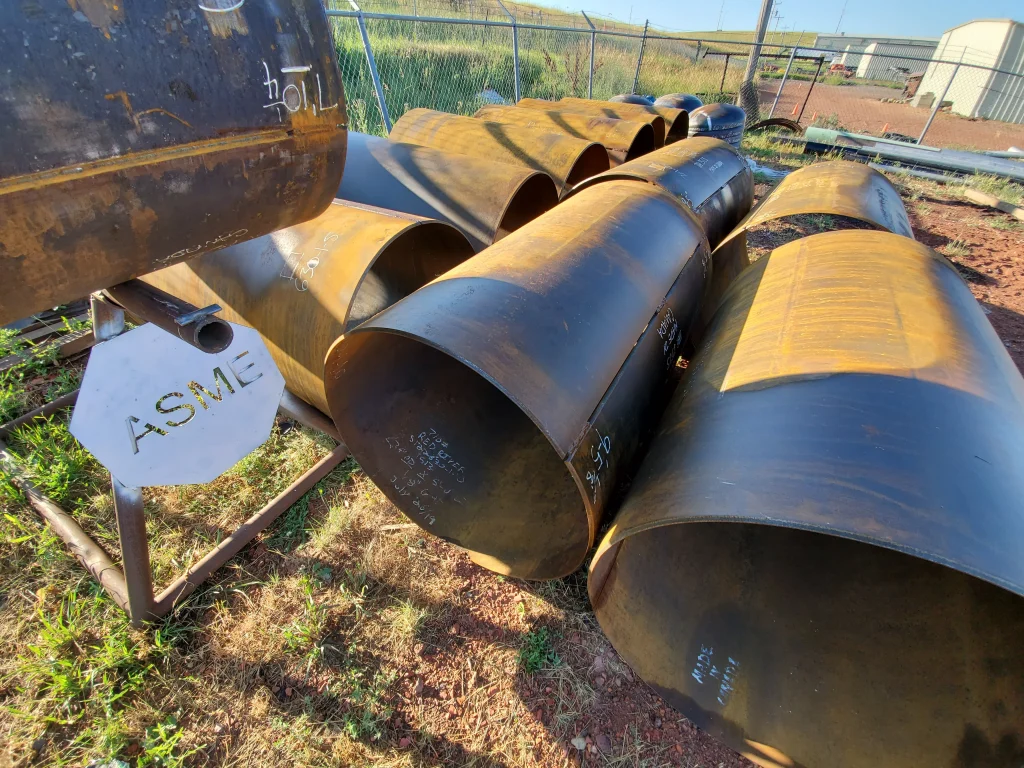
[ez-toc] Introduction to which ASME stamp is stamped on air tanks The American Society of Mechanical Engineers (ASME) stands as a beacon of quality and safety in the mechanical engineering industry. Established in the late 19th century, ASME has played a pivotal role in setting and maintaining standards that ensure the reliability and safety of various […]
What are the ratings for pressure vessels?
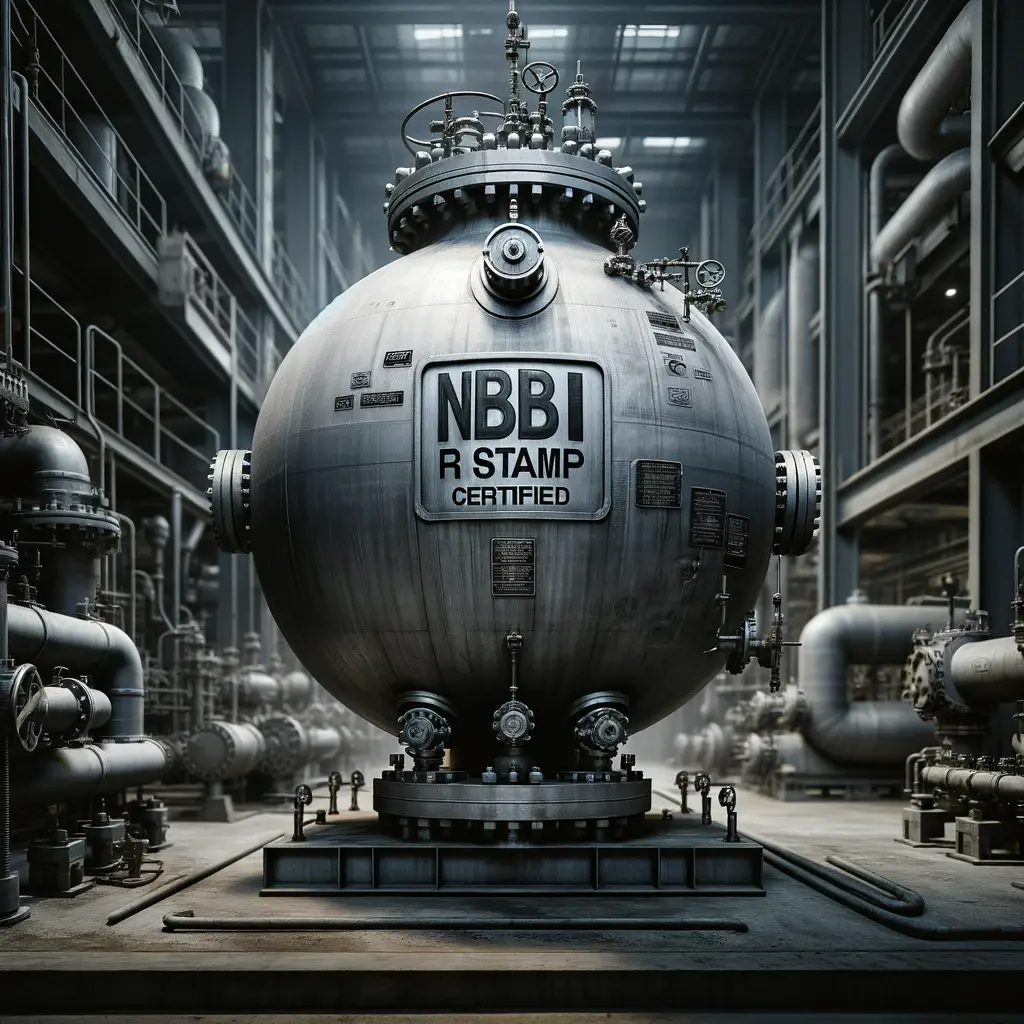
[ez-toc] Introduction to the ratings for pressure vessels In the vast realm of industrial equipment, pressure vessels stand out as critical components designed to hold gases or liquids at a pressure substantially different from the ambient pressure. These vessels, ranging from simple compressed air tanks to complex reactors in petrochemical plants, play a pivotal role […]
What is the pressure stamp for ASME U?

[ez-toc] The ASME U Stamp is a globally recognized certification issued by the American Society of Mechanical Engineers (ASME), signifying that a pressure vessel has been designed, manufactured, and tested according to the ASME Boiler and Pressure Vessel Code (BPVC). It ensures the highest standards of safety, reliability, and quality, while also opening doors to […]
What is the R stamp in oil and gas?
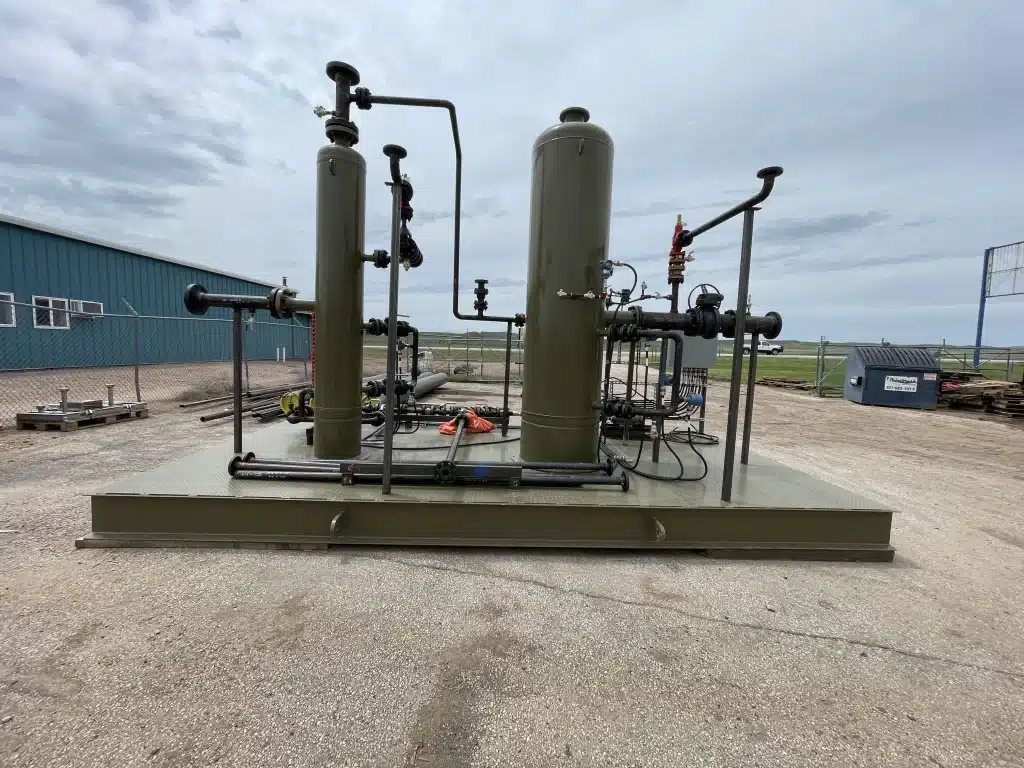
[ez-toc] Introduction to the R stamp in oil and gas The oil and gas industry, a cornerstone of the global economy, is a vast and intricate network responsible for the production, refinement, and distribution of essential energy resources. Given its vast reach and critical role, it’s no surprise that this industry is heavily regulated to […]
What are the requirements for the R stamp?
[ez-toc] What are the requirements for the R Stamp? Main Content In today’s industrial sector, being R-stamp certified isn’t just a compliance checkbox—it’s a mark of unwavering quality and safety in pressure vessel repair and alteration. This designation, governed by the National Board of Boiler and Pressure Vessel Inspectors (NBBI), ensures that any certified facility […]
Understanding Industrial Pressure Vessels

[ez-toc] Introduction to an Industrial Pressure Vessel An industrial pressure vessel is a container designed to hold gases or liquids at a pressure substantially different from the ambient pressure. For example, they are a critical component in a multitude of sectors, including oil and gas, power generation, and biogas, to name a few. At the […]
Understanding Pressure Vessels as Mechanical Equipment

[ez-toc] Introduction to a Pressure Vessel Mechanical Equipment Pressure vessels are complex mechanical systems designed to hold gases or liquids at a pressure substantially different from the ambient environment. As a result, they are a critical component in various industrial processes, embodying the mechanical integrity and engineering precision that drive modern industry. At Red River […]
Unveiling the Most Common Pressure Device in Use Today | Red River LLC
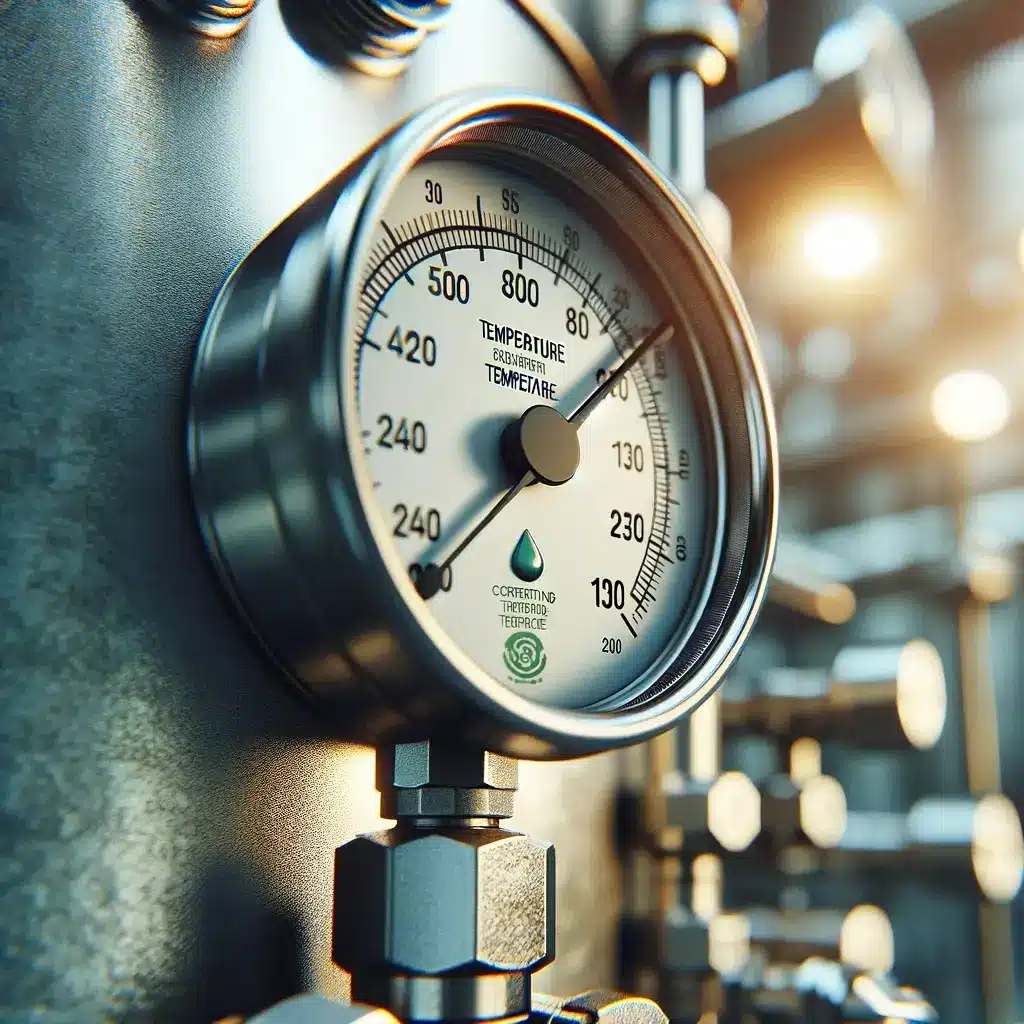
[ez-toc] Introduction to the Most Common Pressure Device In an era where technology advances at breakneck speed, the most widely used pressure measuring instruments are more than tools; they’re guardians of safety and efficiency. Our pressure vessels are the silent sentinels in the background of America’s industrial landscape, ensuring that operations run smoothly and safely. […]
Understanding Boilers as Pressure Vessels

[ez-toc] Introduction to Boilers and Pressure Vessels A boiler, in its essence, is a vessel that heats water or any other type of fluid under controlled conditions. The heated or vaporized fluid exits the boiler for use in various processes or heating applications. But here’s the key question: is a boiler a pressure vessel? Absolutely! […]
Understanding the Three Main Types of Pressure Vessels
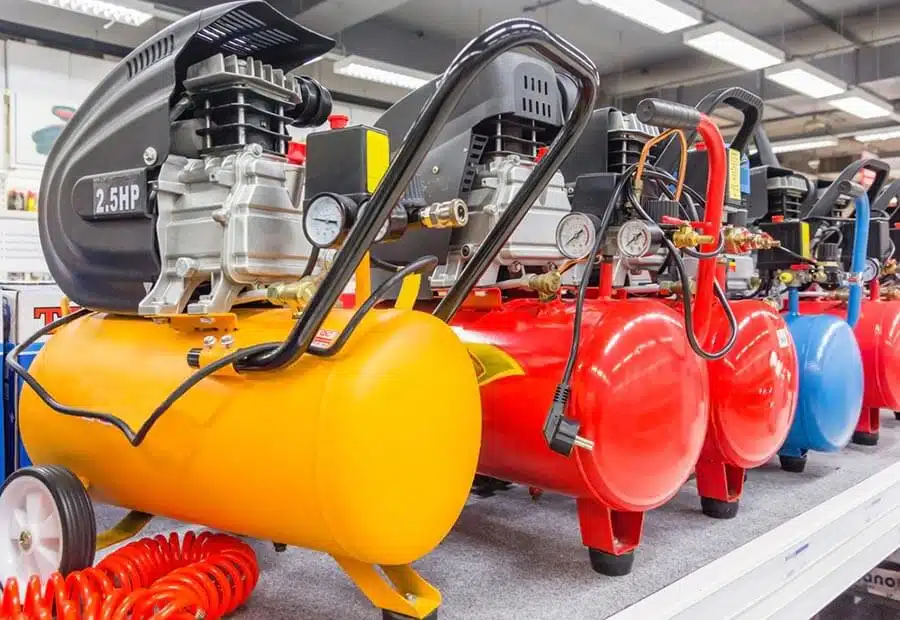
[ez-toc] Introduction to the Three Types of Pressure Vessels In the heart of every thriving industry, from oil and gas to power generation, lies a critical component – pressure vessels. At Red River LLC, we understand that these vessels are not just equipment; they’re the lifeline of various sectors, playing a pivotal role in operations […]