
What is the Meaning of Retention Time in Separators
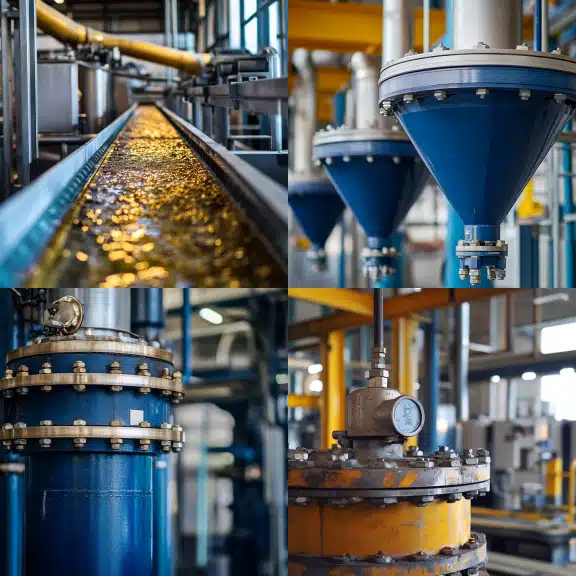
Retention time in a separator refers to the amount of time a substance stays within the separator during the separation process. Proper retention time is critical for maximizing separation efficiency, ensuring high product quality, and reducing operational costs. Optimizing retention time improves system performance, lowers downtime, and enhances overall operational profitability. What is Retention Time […]
Exploring Cryogenic Liquid Tank Venting: Understanding Normality
Cryogenic tank venting is the controlled release of vapor to prevent overpressure and ensure safety. It’s caused by factors like temperature fluctuations, pressure buildup, and insulation quality. This guide covers why venting happens, how to manage it, and what safety protocols and regulatory standards apply. Key tactics include using high-performance insulation, maintaining relief valves, and […]
Understanding Cryogenic Distillation Pressure
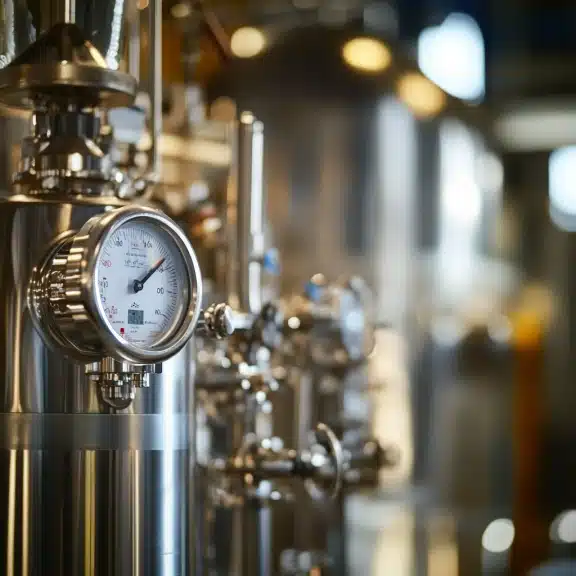
Cryogenic distillation pressures are crucial for optimizing efficiency, purity, and control in industrial gas separation processes. Pressure impacts boiling points, separation quality, and energy use. Mastering pressure dynamics like control strategies, system design, and recent tech advances can dramatically boost performance and reliability. This guide covers key factors, challenges, and solutions for managing pressure in […]
Exploring Cryogenic Liquid Cylinders

Cryogenic liquid cylinders store and transport ultra-cold fluids like nitrogen and oxygen, essential across industries from healthcare to aerospace. They come in low-pressure (25–150 psi) and high-pressure (300+ psi) variants, each suited to specific operational needs. Low-pressure models are ideal for controlled, cost-effective dispensing; high-pressure versions support high-flow, long-duration uses. Choosing the right type depends […]
Understanding the Pressure of Nitrogen Gas Key Concepts and Applications
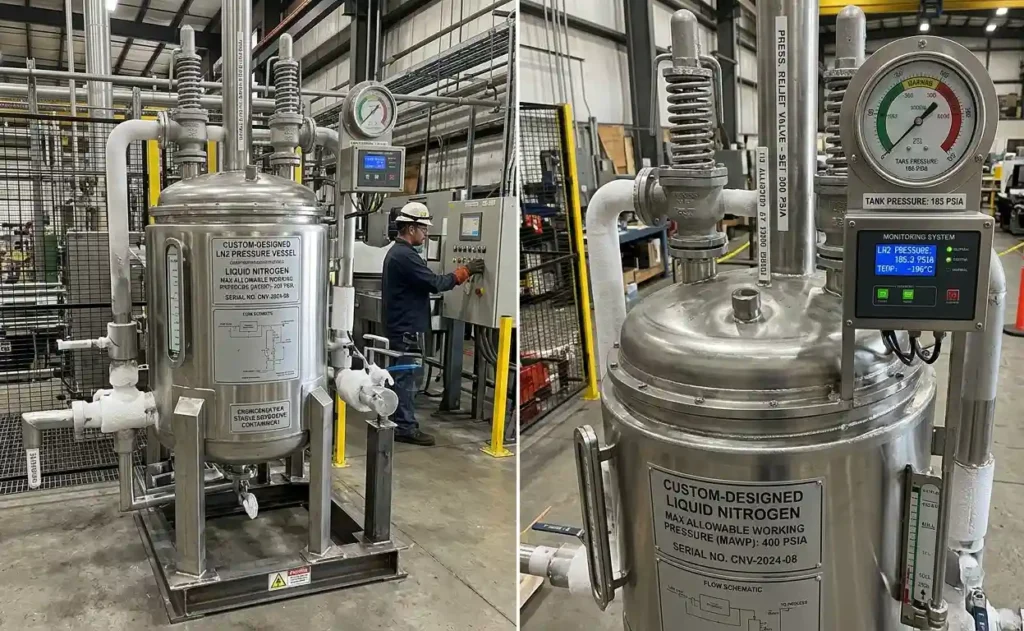
Liquid nitrogen, a cryogenic fluid cooled below -320°F (-196°C), is widely used in medicine, manufacturing, food, and science. Its critical pressure is 492 psia (3.4 MPa) above this, nitrogen becomes a supercritical fluid, which can compromise vessel safety. Maintaining pressure well below this threshold is essential. Engineers must consider temperature, material stress, and safety protocols […]
Understanding Pressure Transmitters for Cryogenic Service

Cryogenic environments require specialized pressure transmitters that can withstand extremely low temperatures. Choosing the right pressure transmitter involves considering factors like temperature range, material compatibility, accuracy, and pressure range. Different types of pressure transmitters, such as piezoresistive, capacitive, differential, and absolute, offer unique benefits for cryogenic applications. Understanding Cryogenic Environments Cryogenic operations involve working at […]
Understanding Cryogenic Storage Tanks

Cryogenic storage tanks play a crucial role in industries that require the storage of liquefied gases at extremely low temperatures. At cryogenic temperatures, substances showcase particular properties that fluctuate significantly compared to their behavior at higher temperatures. For instance, gases condense into liquids, and certain substances become superconductive or lose all electrical resistance. Consequently, understanding […]
Understanding Cryogenic Tanks and Their Material Composition
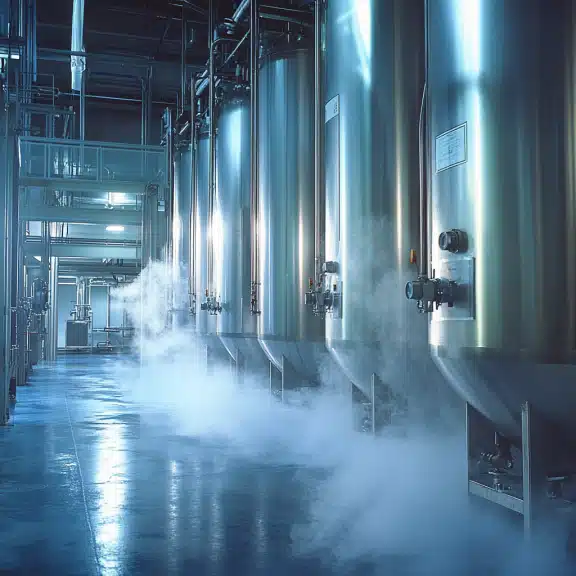
Cryogenic tanks are crucial for storing and transporting gases at ultra-low temperatures, ensuring their preservation and functionality in industries like aerospace, healthcare, and food processing. These tanks are constructed using materials such as stainless steel, aluminum alloys, and nickel alloys, with advanced insulation methods like polyurethane foam and vacuum insulation to maintain low temperatures efficiently. […]
The Ultimate Guide to Cryogenic Tank Insulation

Cryogenic tank insulation combines traditional materials like perlite with cutting-edge technologies such as aerogels and vacuum insulation to efficiently maintain ultra-low temperatures. At Red River, we lead the industry with innovative solutions that ensure the highest quality, sustainability, and performance. We continuously explore the latest advancements to deliver the most reliable and cost-effective insulation options […]
Understanding Cryogenic Vessels: A Comprehensive Guide
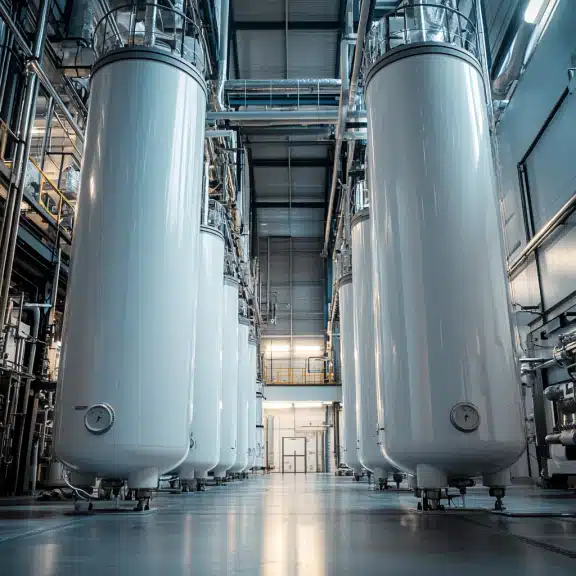
Cryogenic vessels are essential for storing and transporting cryogenic liquids like nitrogen, oxygen, and LNG. They are built with materials such as stainless steel and aluminum and incorporate advanced insulation technologies to maintain extremely low temperatures. These vessels are vital in industries like healthcare, space exploration, and energy, providing safe, efficient storage and transportation solutions. […]