
How Many Molecular Sieves Should You Use?
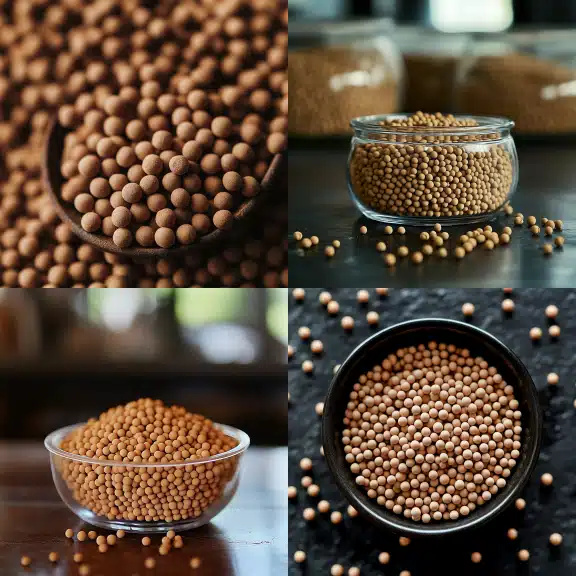
[ez-toc] Understanding Molecular Sieves and Their Applications Molecular sieves are advanced materials engineered to separate molecules based on length, making them essential in various industrial programs. These tiny, porous structures are crafted from materials like zeolites, activated carbon, and silica gel, designed to trap and eliminate impurities from gases and liquids. When operating in oil […]
Is Molecular Sieve Hazardous? Risks and Safety Measures
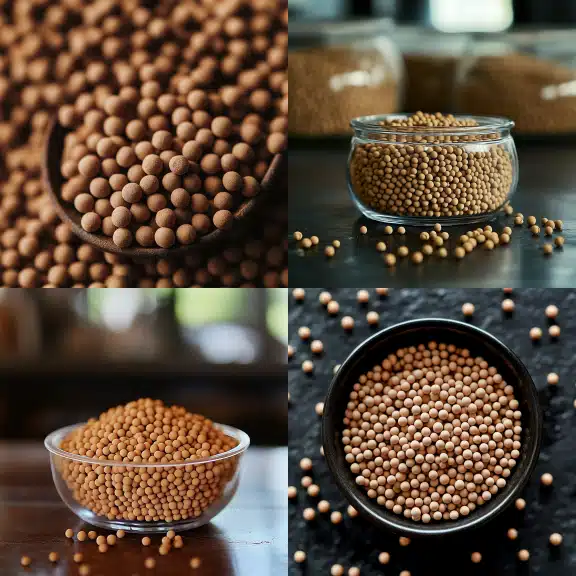
[ez-toc] Understanding the Molecular Sieve Safety When it comes to keeping apart molecules based on length, molecular sieves are among the most effective tools available. Therefore, understanding the basics of molecular sieves and their applications is crucial, particularly when considering protection concerns and potential hazards. The Basics of Molecular Sieve Safety Molecular sieves are materials […]
Understanding the Importance of Industrial Sieving
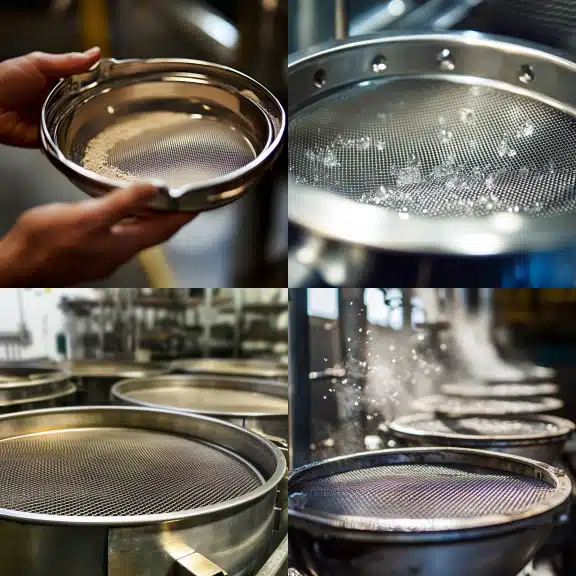
[ez-toc] The Importance of Industrial Sieving Industrial sieving plays a crucial role in ensuring product quality, consistency, and safety, making it indispensable across various industries. At Red River, we recognize that every element matters, particularly when maintaining the highest standards of satisfaction and safety in industrial practices. Also known as industrial screening or particle separation, […]
Molecular Sieves: Tools for Moisture Control and Gas Purification

[ez-toc] The Power of Molecular Sieves: Essential Tools for Moisture Control and Gas Purification At Red River, we understand that industries like oil and fuel, biogas, and power depend heavily on the reliability of their equipment. A key factor in maintaining efficiency is the molecular sieve, which plays a crucial role in moisture manipulation and […]
Desiccants Definition Chemistry: Meaning & Uses
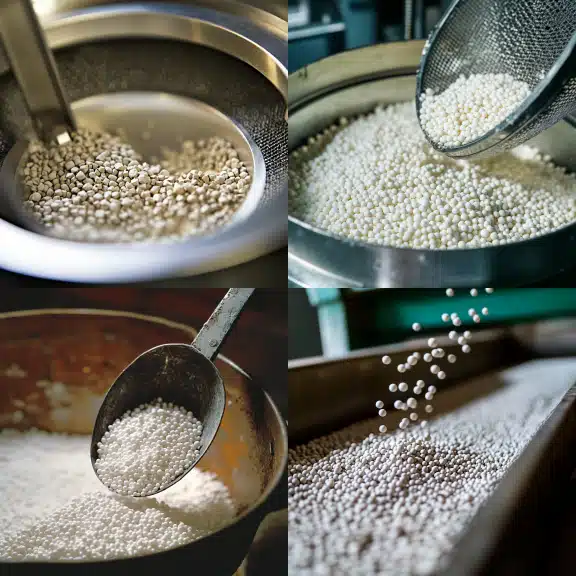
[ez-toc] Understanding Molecular Sieves and Desiccants: Key Differences and Applications Understanding the tools at your disposal is vital when managing moisture in industrial applications. At Red River LLC, selecting the right solution can significantly impact your operation’s performance and longevity. In this article, we break down the distinction between molecular sieves and desiccants—two critical substances […]
Define Sieve: What is a Sieve and How Does it Work?

[ez-toc] A sieve is a tool designed to separate particles based on size, allowing smaller particles to pass through a mesh while retaining larger ones. It’s widely used in cooking, gardening, and industrial applications to improve texture, efficiency, and product quality. Choosing the right mesh size ensures optimal performance for any task, from sifting flour […]
Understanding the Basics of Molecular Sieve Beds
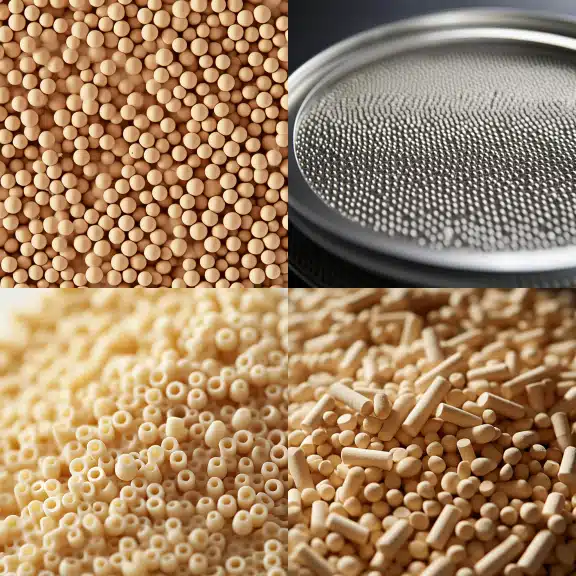
[ez-toc] The Basics of Molecular Sieve Beds: Essential for Filtration and Separation Molecular sieve beds are indispensable in various industrial processes that require the removal of moisture and impurities from gases and liquids. These beds are composed of finely tuned materials with uniform pores that selectively adsorb molecules based on their size and shape. Sieve […]
What is Better Than Silica Gel? Discover Superior Alternatives
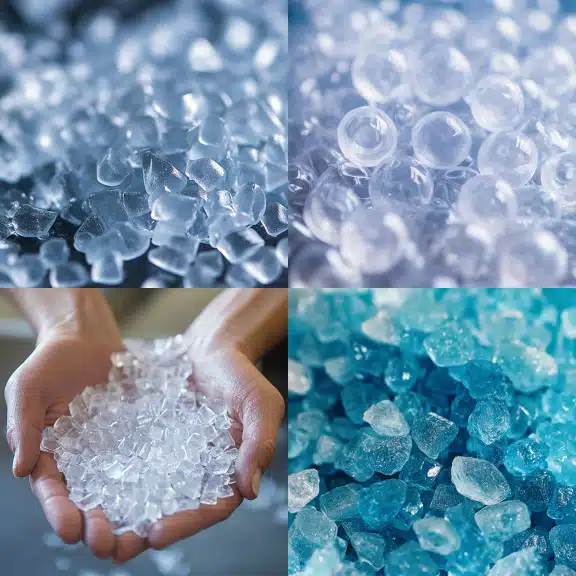
Silica gel works but isn’t always the best option for industrial moisture control. This guide compares silica gel to superior alternatives like molecular sieves, activated charcoal, bentonite clay, and advanced desiccant packs. You’ll learn which desiccant performs best in different conditions, how to choose the right one, and why Red River’s solutions go beyond basic […]
Are Molecular Sieves Reusable? Understanding Reusability and Efficiency

Molecular sieves are porous materials, often made from zeolites, that selectively adsorb molecules based on size making them essential for drying gases, purifying liquids, and removing contaminants like water and CO₂. Common types include 3A, 4A, 5A, and 13X, each suited to specific industrial needs. These sieves are reusable through thermal or pressure-based regeneration, though […]
Understanding the Difference Between Distillation and Separator
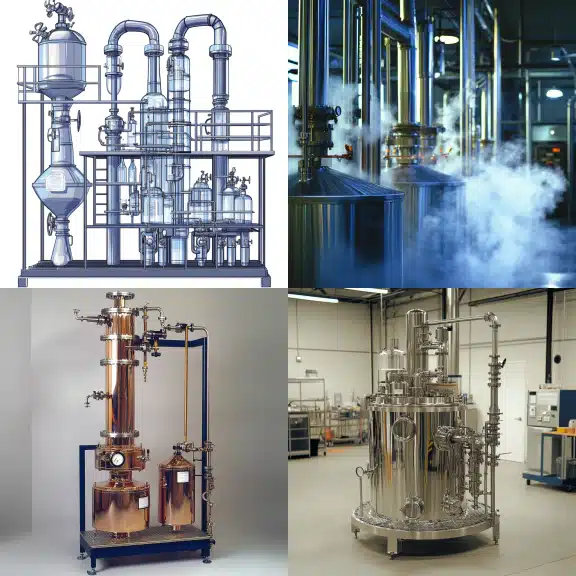
Distillation separates liquids by boiling point and is ideal for high-purity applications but uses more energy. Separators divide mixtures based on physical or chemical properties like density, often with lower energy use. Choose distillation for precise liquid separation; use separators for solid-liquid, gas-liquid, or cost-sensitive operations. Many industries use both methods in tandem to optimize […]