
How High-Pressure Welding Technology Is Evolving to Meet Demands
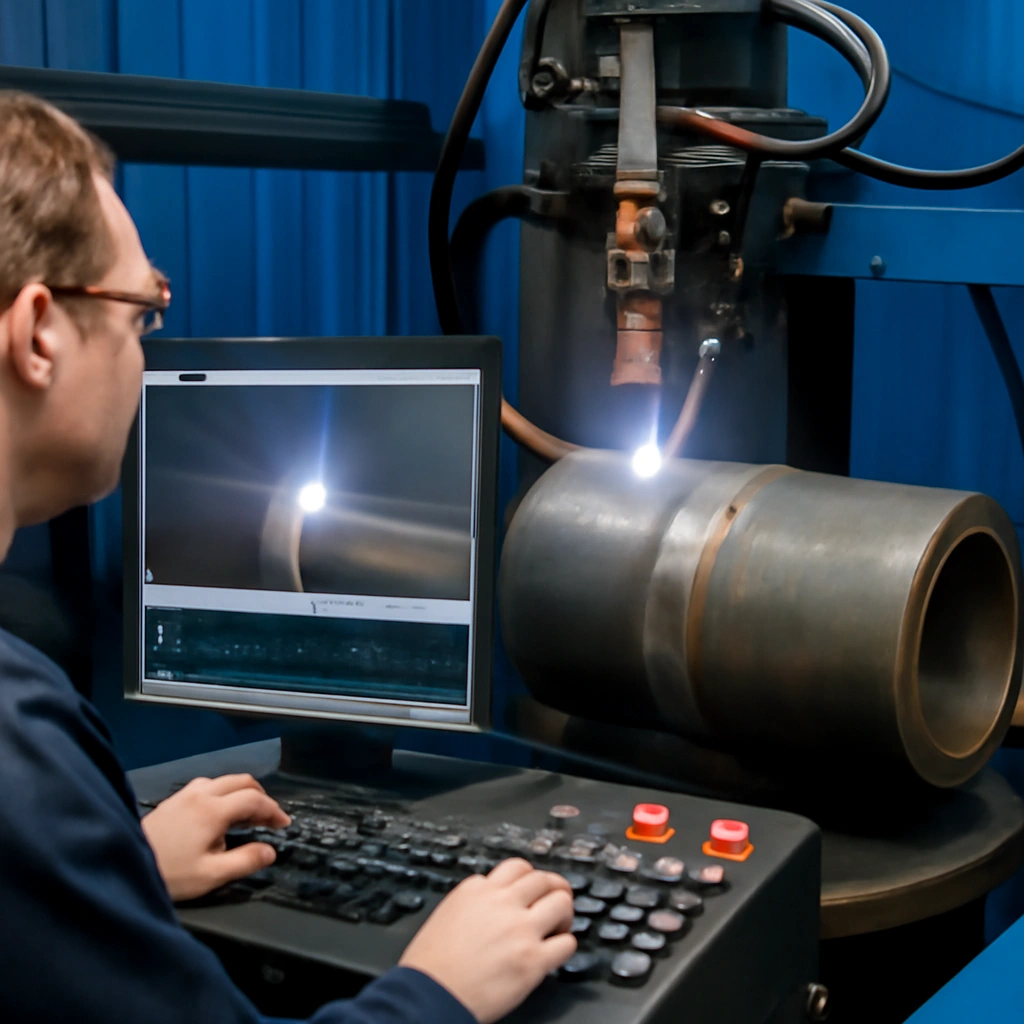
High-pressure welding is rapidly evolving with automation, real-time monitoring, AI, and advanced material-specific techniques, improving safety, consistency, and efficiency in pressure vessel fabrication. Digital integration, AR/VR training, and predictive technologies are transforming quality control from defect detection to prevention while addressing skilled labor and regulatory challenges. The Changing Landscape of High-Pressure Welding Requirements In the […]
Challenges in Dissimilar Metal Welding Pressure Vessels
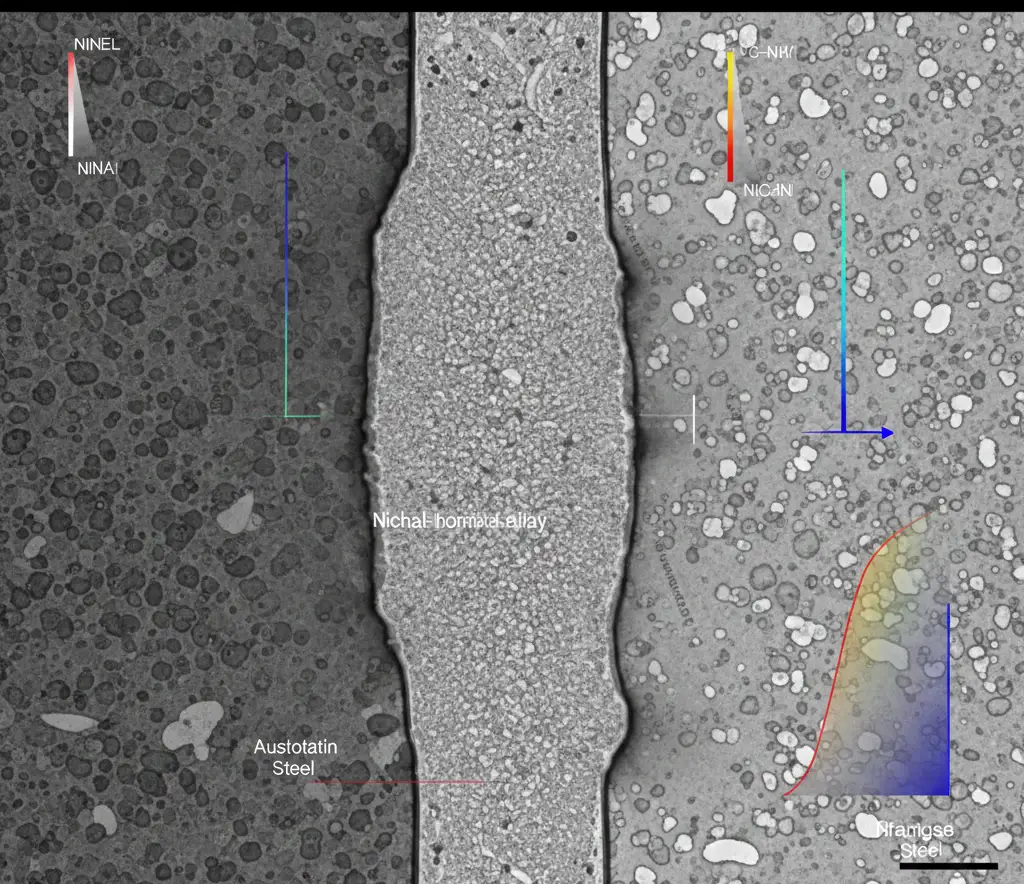
Dissimilar metal welding in pressure vessels combines different metals to optimize performance and corrosion resistance but introduces challenges like thermal expansion mismatch, carbon migration, galvanic corrosion, and brittle phase formation. Success relies on proper filler selection, specialized welding techniques, thorough testing, and ongoing monitoring to ensure long-term safety and reliability. Understanding Dissimilar Metal Welding Pressure […]
Understanding Post-Weld Heat Treatment: A Critical Process for Structural Integrity
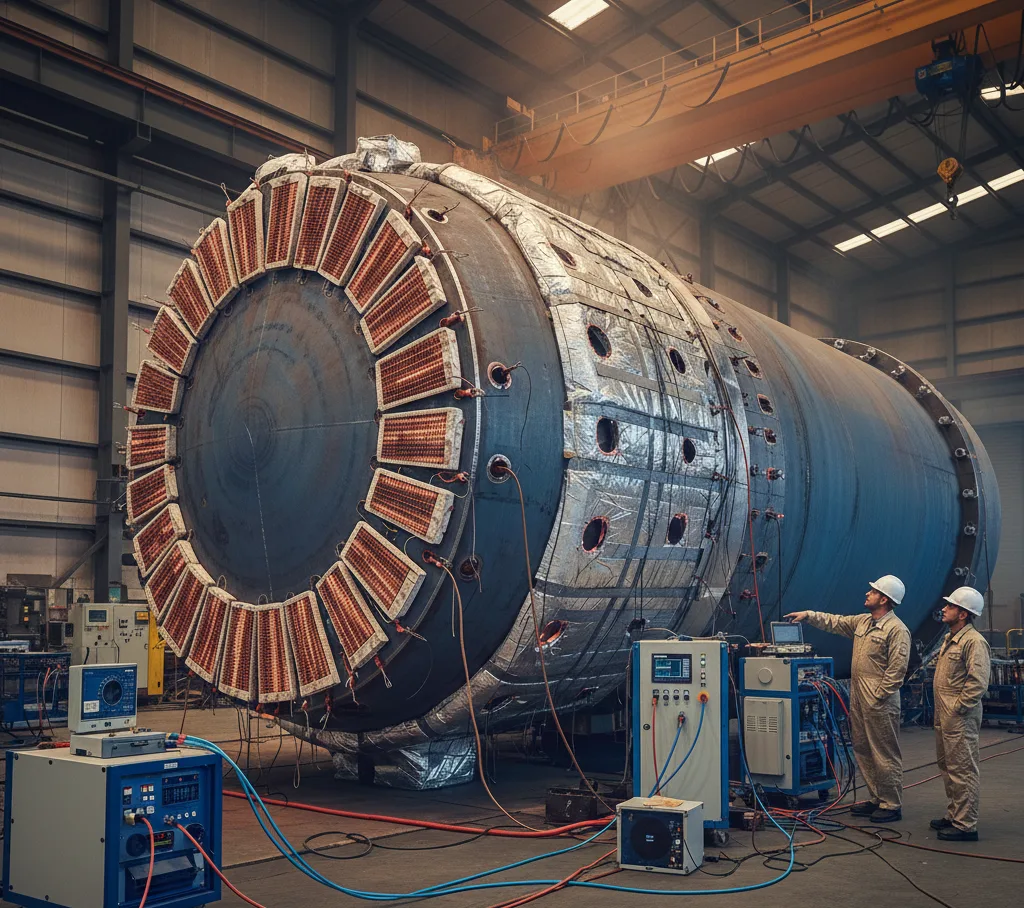
Post-weld heat treatment (PWHT) is a controlled heating and cooling process applied after welding to reduce residual stresses and improve the metal’s microstructure. It matters because it prevents cracking, enhances toughness and reliability, and is often required by industry codes to ensure long-term safety and performance of critical equipment. What is Post-Weld Heat Treatment and […]
The Link Between Weld Quality Pressure Vessels Lifespan
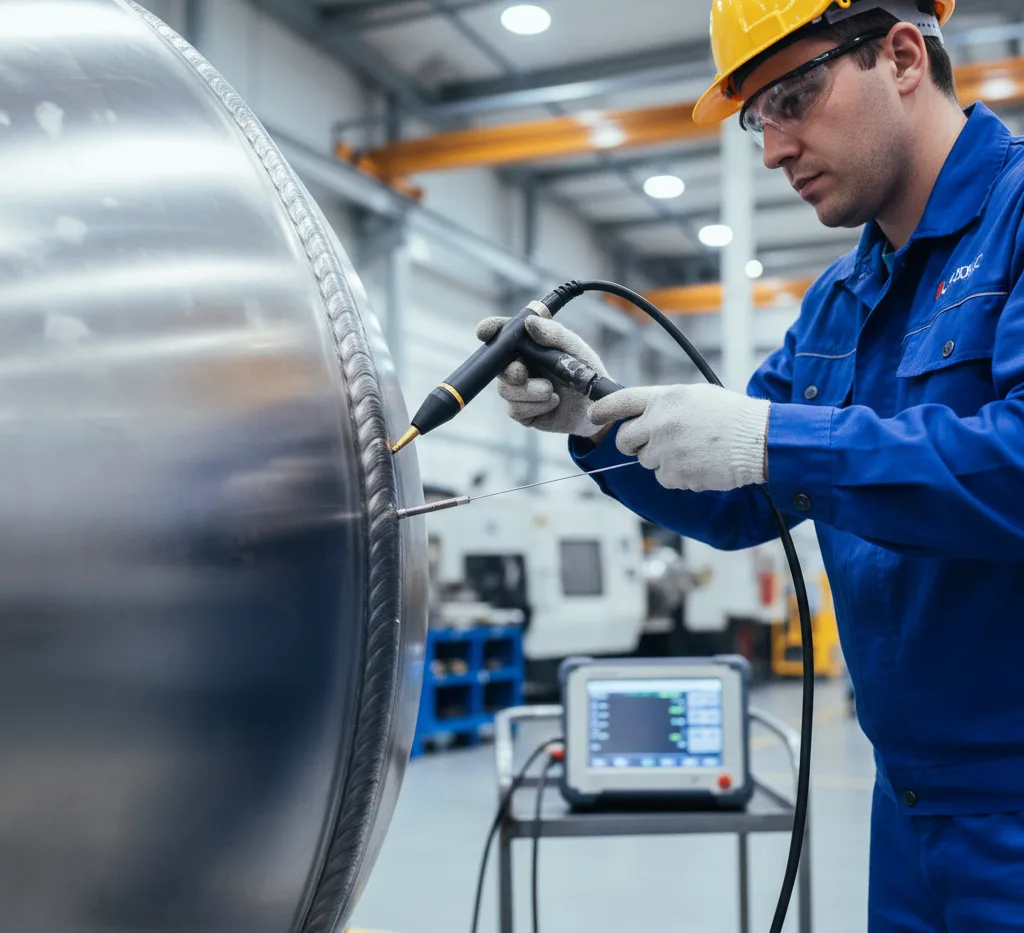
Weld quality is the most critical factor affecting pressure vessel safety, reliability, and lifespan, with high-quality welds extending service life by decades while poor welds lead to premature failure and serious risks. Investing in certified welders, proper procedures, and thorough inspections delivers long-term cost savings, stronger safety margins, and dependable vessel performance. Understanding the Critical […]
Heat-Affected Zone Welding: Critical Transition Region
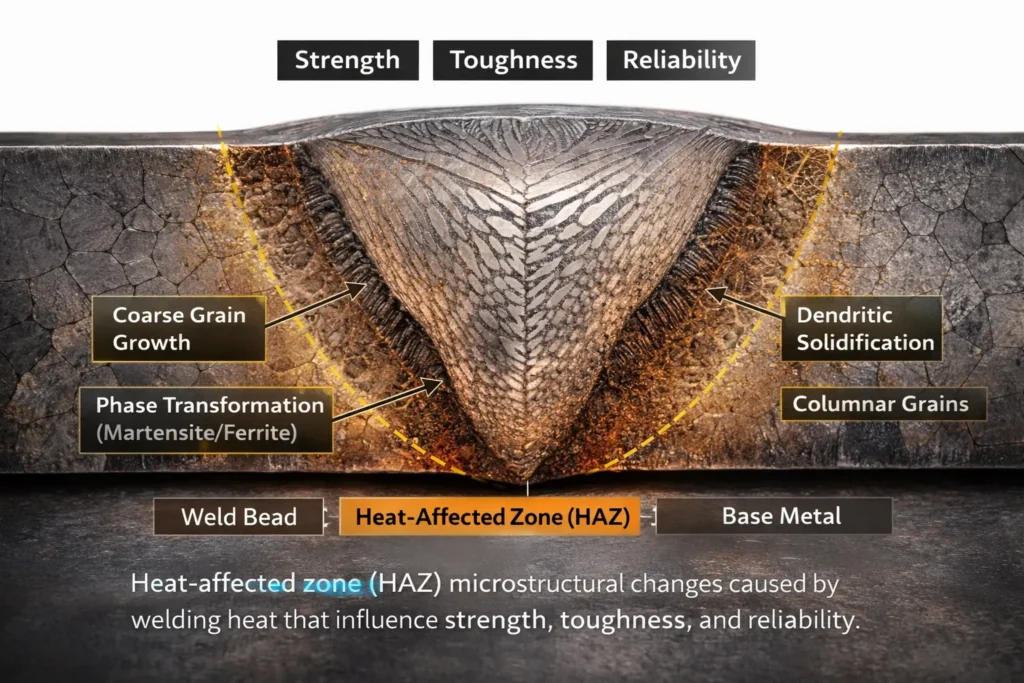
The heat-affected zone (HAZ) is the portion of base metal near a weld that experiences microstructural changes from heat, affecting strength and reliability, and proper control through heat input, pre/post-weld treatments, and material-specific techniques is essential to prevent failures. What Is a Heat-Affected Zone Welding? When it comes to welding quality and structural integrity, what […]
The Role of Non-Destructive Testing Welding Inspection in Manufacturing Quality
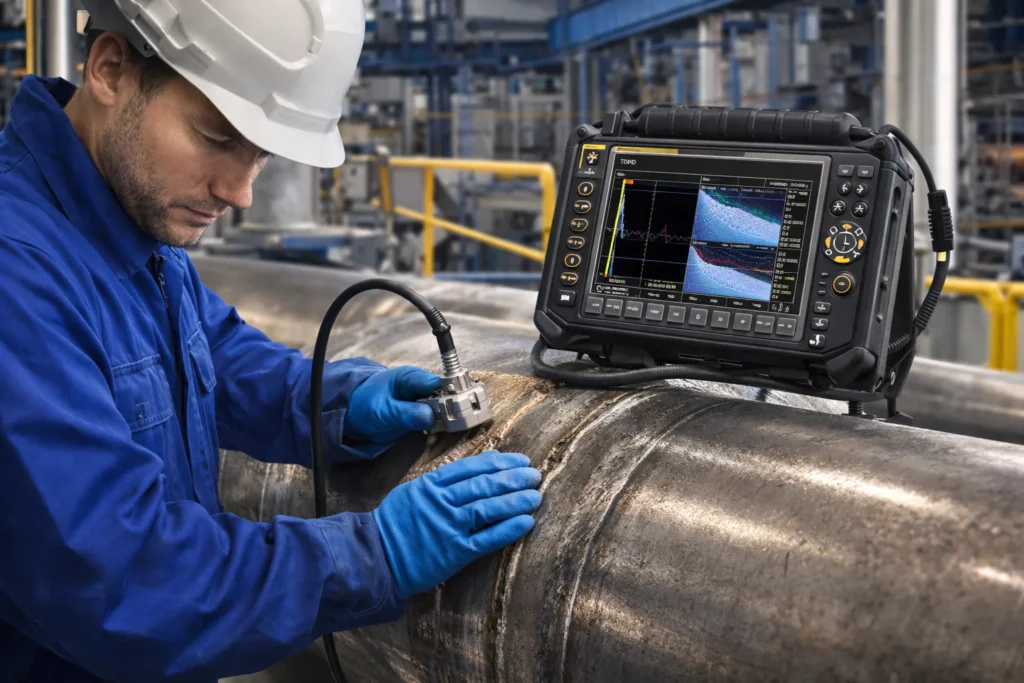
Non-destructive testing (NDT) welding inspection ensures weld quality and structural integrity without damaging components, using methods like visual, ultrasonic, radiographic, magnetic particle, and liquid penetrant testing. Proper NDT programs with qualified personnel and appropriate techniques reduce risk, detect defects early, and enhance overall fabrication safety and reliability. Understanding Non-Destructive Testing Welding Inspection in Modern Fabrication […]
Vessel Welding Joint Preparation for Optimal Strength

The Critical Foundation: Understanding Joint Preparation Fundamentals Proper welding techniques are the backbone of pressure vessel integrity. When it comes to fabricating industrial vessels that must withstand extreme pressures and harsh environments, two factors stand out as critical determinants of safety and longevity: vessel welding, joint preparation and positioning. These foundational elements often receive less […]
Automated Vessel Welding in Modern Manufacturing
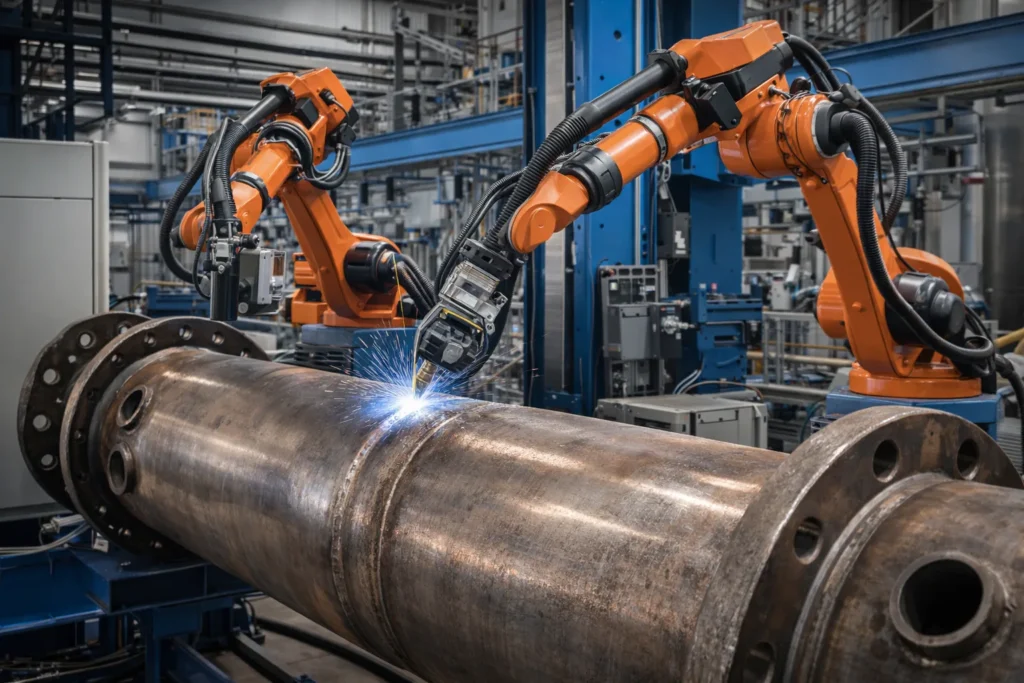
Automated vessel welding has transformed pressure vessel manufacturing by improving weld quality, consistency, productivity, and worker safety while reducing costs. Modern robotic, orbital, and submerged arc systems enable precise, repeatable welds, making automation a key driver of efficiency and compliance in the industry. The Evolution of Automated Vessel Welding In today’s competitive manufacturing landscape, pressure […]
Hygienic Fabrication: Ensuring Food Safety in Processing
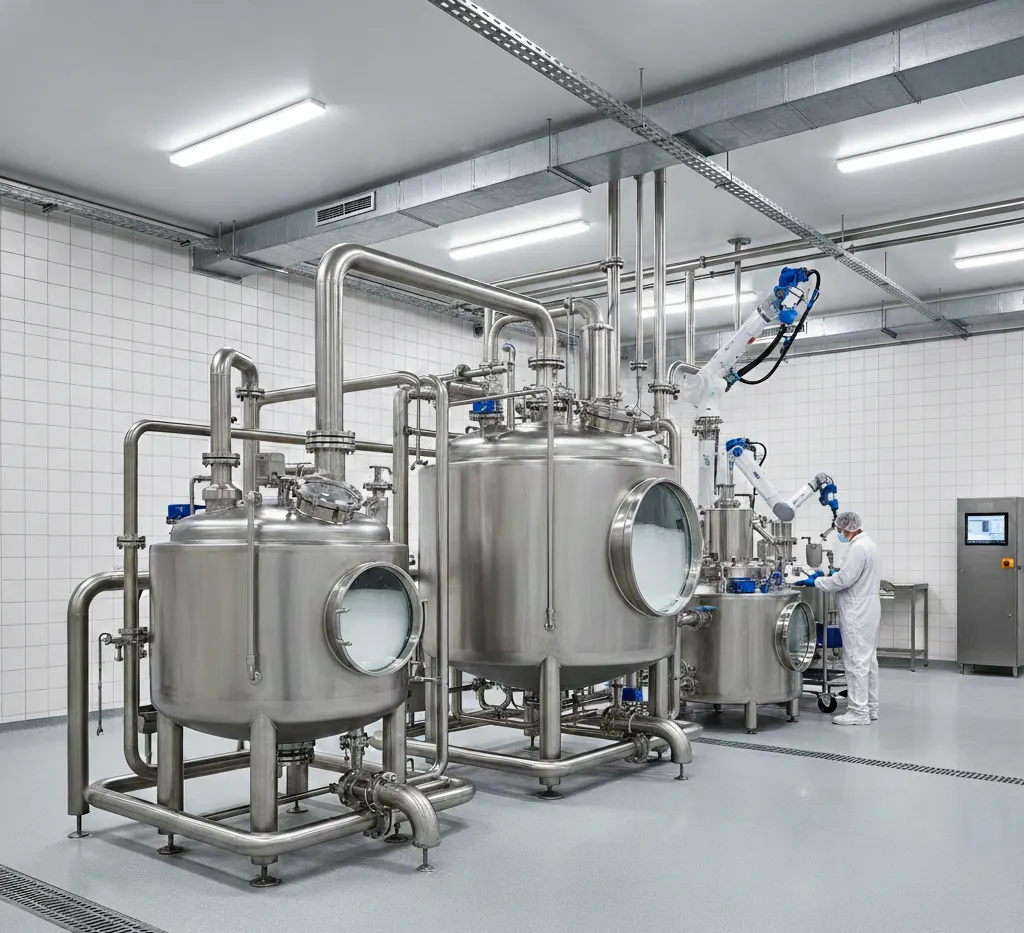
Hygienic fabrication ensures food and beverage equipment is designed and built to prevent contamination through careful material selection, cleanable designs, and precise fabrication techniques. Adhering to industry standards not only safeguards consumer health but also enhances product quality, operational efficiency, and brand reputation. Hygienic Fabrication: Food Safety’s Foundation The food and beverage industry operates under […]
Aerospace Pressure Vessels in Modern Flight and Defense

Aerospace pressure vessels are critical components that store and control gases and fluids under extreme conditions. Their design, materials, and testing standards directly impact safety, mission success, and long-term system reliability. The Critical Role of Aerospace Pressure Vessels Aerospace pressure vessels are engineered containers designed to safely hold gases or liquids at pressures far above […]