Weld quality is the most critical factor affecting pressure vessel safety, reliability, and lifespan, with high-quality welds extending service life by decades while poor welds lead to premature failure and serious risks. Investing in certified welders, proper procedures, and thorough inspections delivers long-term cost savings, stronger safety margins, and dependable vessel performance.
Understanding the Critical Role of Weld Quality Pressure Vessels
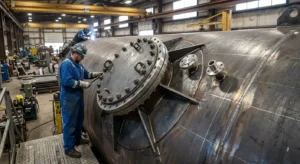
When it comes to industrial equipment, pressure vessels stand at the forefront of critical infrastructure. These essential components operate under significant stress, containing gases and liquids at pressures dramatically different from ambient conditions. While many factors contribute to vessel performance, none is more fundamental than weld quality pressure vessels, especially in the context of modern pressure vessel manufacturing processes. The direct relationship between weld quality and pressure vessel lifespan cannot be overstated. Poor welds significantly reduce vessel longevity, while high-quality welds extend service life by decades and support compliance with ASME-certified pressure vessels.
Pressure vessels serve as the backbone for countless industrial operations across chemical processing, oil and gas, power generation, and manufacturing sectors. These vessels routinely contain hazardous materials under extreme pressures and temperatures, making their structural integrity paramount as outlined in safety and compliance in pressure vessel design.
Welds represent the most vulnerable points in any pressure vessel design. While the base metal provides overall structural strength, the vessel’s safety and lifespan ultimately depend on the quality of its welds. These critical junctures must withstand the same extreme conditions as the base material, often while facing additional stress concentrations identified in common types of failure in pressure vessels.
The economic impact of premature vessel failure due to poor weld quality pressure vessels can be devastating. Beyond immediate replacement costs, businesses face production downtime, potential environmental incidents, regulatory penalties, and risks detailed in failure criteria for pressure vessels.
Key Quality Indicators in Pressure Vessel Welding
Identifying quality welding begins with proper joint preparation and fit-up. Before welding even begins, edges must be properly cleaned, beveled, and positioned with appropriate root gaps. This foundational step determines how weld quality pressure vessels will affect vessel lifespan under operating conditions and aligns with best practices in pressure vessel fabrication.
Weld penetration and fusion characteristics represent critical quality indicators. Complete penetration ensures the weld extends through the entire thickness of the joint, while proper fusion guarantees the weld metal bonds completely with the base material, a core principle discussed in how to weld a pressure vessel.
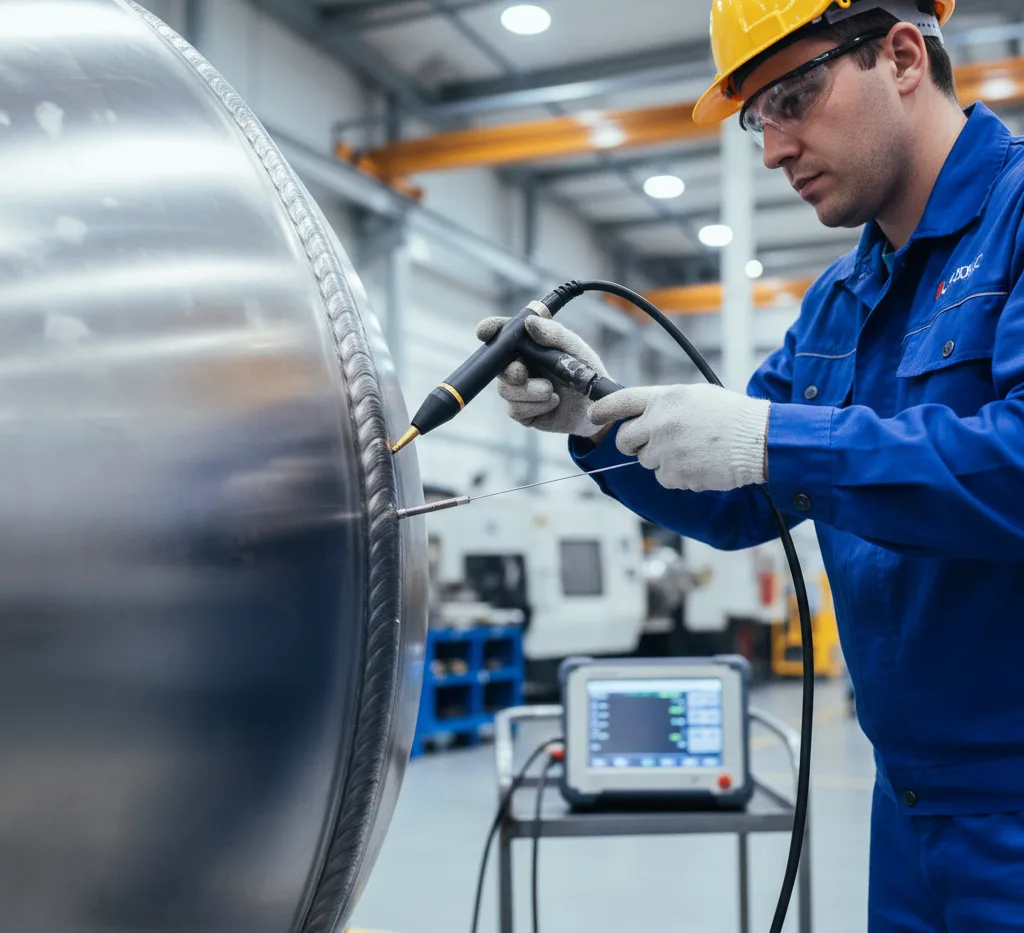
Visual consistency serves as an initial weld quality marker. Professional welds display uniform width, height, and ripple pattern. This consistency is not merely aesthetic, it indicates proper technique, heat management, and filler metal application, all fundamental to welding as a type of fabrication.
Post-weld heat treatment often represents the final quality assurance step for many pressure vessels. This controlled heating and cooling process relieves internal stresses created during welding, enhancing mechanical properties and extending vessel lifespan as required by ASME pressure vessel standards.
Common Weld Defects That Compromise Vessel Integrity
Porosity and inclusions rank among the most frequent weld defects affecting pressure vessel lifespan. These tiny voids or trapped non-metallic materials create stress concentration points that can expand under pressure, increasing risks outlined in what is the most serious hazard in pressure vessel.
Lack of fusion and cold lap concerns arise when the weld metal fails to properly unite with the base material. These imperfections create pathways for crack propagation and leaks over time, significantly impacting weld quality pressure vessels and contributing to failures described in understanding the critical role of failure theories in pressure vessel design.
Undercutting occurs when the welding process removes base material at the weld edge, thinning the vessel wall at a critical point. Excessive reinforcement creates unnecessary stress concentration points. Both conditions reduce weld quality and vessel resilience, especially under cyclic loading explained in what is the primary stress of a pressure vessel.
Improper welding creates stress concentration factors that make vessels vulnerable to cyclic loading. These microscopic stress points expand through repeated pressure cycles, potentially leading to sudden catastrophic failure without warning signs highlighted in comprehensive guide to pressure vessel inspection.
How Quality Welds Extend Vessel Service Life
Superior weld quality pressure vessels directly enhances corrosion resistance, a primary concern for pressure vessel lifespan. Defective welds create crevices where corrosive materials concentrate, accelerating deterioration, particularly in applications involving moisture as discussed in water presence in pressure vessels considerations and implications.
The impact on fatigue resistance cannot be overstated. Industrial vessels frequently undergo pressure and temperature cycling, subjecting welds to shifting stresses common in industrial pressure vessels. Premium welds withstand these conditions indefinitely, while substandard joints begin deteriorating from the first cycle.
Enhanced safety margins come standard with quality welding. While vessels are engineered with calculated safety factors, these margins diminish with each weld defect. Quality welds maintain the vessel’s designed safety threshold throughout its service lifespan, supporting requirements in certification of pressure vessels.
Industry case studies consistently demonstrate dramatic pressure vessel lifespan extension through quality welding practices. Vessels constructed with rigorous welding standards routinely exceed their designed service life by decades, unlike those requiring premature repair described in manufacturing process of pressure vessels.
Best Practices for Ensuring Optimal Weld Quality
Proper welder qualification and certification form the foundation of weld quality assurance for pressure vessel lifespan. Certified welders demonstrate mastery of specific processes, materials, and positions relevant to pressure vessel fabrication, including demanding orientations like the 6G welding position and 5G welding position.
Material selection plays a crucial role in weld quality pressure vessels. Matching filler materials to base metals and accounting for service conditions ensures welds maintain strength and corrosion resistance, as explained in choosing the right material for pressure vessel fabrication.
Comprehensive inspection protocols detect potential weld quality issues before they affect vessel lifespan. From visual inspection to advanced non-destructive testing, thorough evaluation aligns with standards outlined in quality assurance in custom pressure tank manufacturing.
Documentation and traceability provide the final quality assurance layer. Complete records of materials, procedures, qualifications, and inspection results create accountability throughout the fabrication process and provide valuable reference information for future maintenance, reinforcing long-term reliability as emphasized in pressure vessels by Red River.
Need a reliable partner?
Red River specializes in the design and manufacturing of pressure vessels. We also fabricate related items such as prefabricated spools and skid packages.
Reach out to us today and experience the Red River difference. Where American-made products and American Values come together, we care more.
Frequently Asked Questions
1. How much can proper welding extend a pressure vessel’s lifespan?
Quality welds can extend a vessel’s service life by 15-25 years compared to vessels with substandard welds, depending on operating conditions and maintenance practices.
2. What inspection methods are most effective for pressure vessel welds?
A combination of visual inspection, radiographic testing (RT), ultrasonic testing (UT), magnetic particle testing (MT), and penetrant testing (PT) provides comprehensive weld assessment.
3. Can existing vessels with questionable welds be remediated?
Yes, depending on the extent of defects. Repair welding, post-weld heat treatment, and strategic reinforcement can often restore vessel integrity when performed by qualified professionals.
4. How often should pressure vessel welds be inspected?
Industry standards recommend initial baseline inspection followed by periodic examinations based on service conditions, typically every 2-5 years, with more frequent inspections for severe service.
5. What welding processes produce the highest quality welds for pressure vessels?
GTAW (TIG) welding typically produces the highest quality welds, though SMAW, GMAW, and SAW processes can deliver excellent results when properly executed according to qualified procedures.
6. How do environmental factors affect weld quality and vessel lifespan?
Temperature extremes, chemical exposure, cyclic loading, and humidity can accelerate weld degradation. Proper material selection and weld procedures must address these specific environmental challenges.
7. What certifications should pressure vessel welders possess?
At minimum, welders should have ASME Section IX qualification and certification for the specific processes and materials used, along with additional certifications relevant to the industry (API, AWS, etc.).
Key Takeaways
- Weld quality directly impacts vessel safety, reliability, and lifespan
- Proper welding procedures can extend vessel service life by decades
- Investing in quality welding practices provides substantial ROI
- Regular inspection of welds is essential for preventive maintenance
- Certified welders and proper documentation ensure consistent quality
Related Blog Post
Can Condensate Storage Improve Reliability?
Where Do Condensate Tanks Fit in a Steam System?
Which Nozzles Simplify Maintenance on Pressure Vessels?
How to Vent Condensate Tanks in Steam Systems