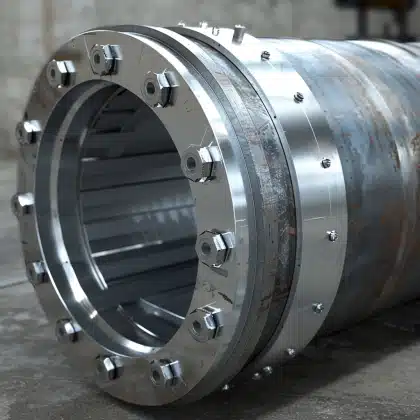
Understanding Thinning Allowance for Pressure Vessels
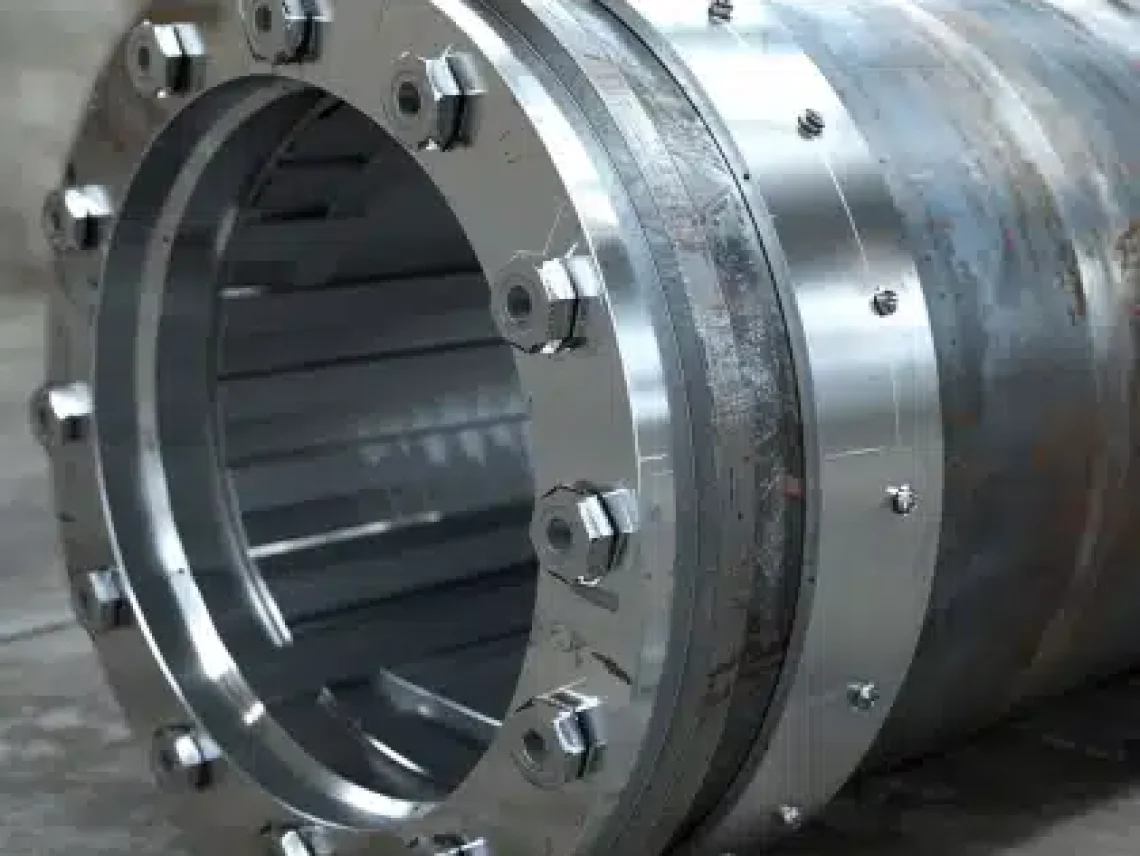
Introduction to Thinning Allowance
Thinning allowance refers to the permissible discount in the wall thickness of a pressure vessel due to corrosion or erosion over its operational lifespan. As pressure vessels endure publicity to numerous elements and materials, they may be vulnerable to sluggish thinning, which can compromise their structural integrity.
Significance of Thinning Allowance
The impact of corrosion and erosion on pressure vessel integrity can not be overstated. Inadequate thinning allowance can result in catastrophic failures, posing extreme safety dangers to employees and the environment. Proper monitoring and management of thinning allowance are vital to prevent such incidents and ensure the toughness of pressure vessels.
Factors Influencing Thinning Allowance
Material Selection and Thinning Allowance
The choice of substances plays a crucial function in figuring out thinning allowance. Different substances show off various resistance to corrosion and erosion, affecting the rate of thinning. It’s vital to select substances like-minded with the procedure situations to minimize thinning and maximize vessel lifespan.
Operating Conditions and Thinning Allowance
Operating situations, which include temperature, pressure, and fluid properties, drastically impact the thinning rate of pressure vessels. Harsh environments can boost thinning, necessitating proactive measures to mitigate risks. Understanding those elements is fundamental to efficaciously managing thinning allowance.
Maintenance Practices and Thinning Allowance
Regular inspections are imperative for detecting thinning in pressure vessels. Advanced strategies allow correct measurement and evaluation of thinning, allowing for timely interventions to keep vessel integrity. Implementing strong protection practices is vital for protecting employees and property.
Need a reliable partner?
FAQ's
What elements contribute to thinning in pressure vessels?
Thinning in pressure vessels can arise because of various factors, such as corrosion, erosion, mechanical wear, and chemical reactions. Corrosion, caused by publicity to corrosive substances or environmental situations, steadily reduces the thickness of the vessel partitions. Erosion, then again, results from the abrasive movement of flowing fluids or particles, leading to localized thinning. Mechanical wear from operations or inadequate guide structures can also contribute to thinning over the years. Understanding those factors is crucial for enforcing effective monitoring and maintenance techniques to mitigate thinning in pressure vessels.
How does temperature affect thinning allowance in pressure vessels?
Temperature performs a large position in the thinning charge of pressure vessels. Elevated temperatures can accelerate corrosion and erosion tactics, main to quicker thinning of the vessel walls. Additionally, thermal growth and contraction cycles can set off pressure on the vessel material, making it greater at risk of mechanical put-on. Proper insulation and temperature management measures are critical for minimizing the effect of temperature fluctuations on thinning allowance and ensuring the durability of pressure vessels.
What are the implications of insufficient thinning allowance for pressure vessel protection?
Inadequate thinning allowance poses critical protection dangers for pressure vessels and the encompassing environment. Thinning of vessel walls compromises their structural integrity, increasing the likelihood of catastrophic screw-ups along with leaks, ruptures, or explosions. These incidents can result in accidents to personnel, damage to the system, and environmental infection. Therefore, preserving adequate thinning allowance through regular inspections and proactive preservation is critical for ensuring the safe operation of pressure vessels.
How frequently have pressure vessels been inspected for thinning allowance?
The frequency of inspections for thinning allowance depends on various factors, inclusive of the vessel’s running conditions, materials, and carrier records. As a general tenet, pressure vessels have to undergo regular inspections below industry standards and regulatory requirements. Typically, inspections are carried out at predefined periods, ranging from quarterly to biennially, depending on the vessel’s criticality and the severity of working situations. However, it’s crucial to assess each vessel’s unique characteristics and consult with qualified specialists to determine an appropriate inspection agenda.
What measures may be taken to mitigate thinning in pressure vessels?
Several measures may be implemented to mitigate thinning in pressure vessels and ensure their long-term integrity. These encompass implementing corrosion-resistant materials, applying protecting coatings or linings, optimizing operating situations to decrease corrosive or erosive outcomes, and enforcing ordinary protection and inspection applications. Additionally, advanced tracking strategies including ultrasonic testing or thickness size can help locate thinning at an early stage, allowing for well-timed interventions. By adopting a proactive method of thinning control, capacity risks may be correctly mitigated, ensuring the safety and reliability of pressure vessels.
Related Blog Post
- What is the Barlow's formula?
- What is pressure vessel failure theory?
- What is the theory of pressure vessels?
- How do you calculate pressure vessels?
- What are the stresses in thick pressure vessels?
- How do you test the thickness of a pressure vessel?
- What is the formula for the thin wall pressure vessel?
- What is the minimum wall thickness for a pressure vessel?
- How do you calculate the thickness of a pressure vessel wall?
- When the diameter of pressure vessel is 15 times the wall thickness?
Solutions
In the realm of industrial solutions, Red River emerges as a pioneer, offering a diverse range of custom-engineered products and facilities. Among our specialties is the design and production of Custom/OEM Pressure Vessels, meticulously crafted to meet individual client requirements, ensuring performance under various pressure conditions. Our expertise extends to the domain of prefabrication, where Red River leads with distinction.
The company excels in creating prefabricated facilities, modules, and packages, reinforcing its stance as a forerunner in innovation and quality. This proficiency is further mirrored in their Modular Skids offering, where they provide an array of Modular Fabricated Skid Packages and Packaged equipment. Each piece is tailored to client specifications, underlining their commitment to delivering precision and excellence in every project they undertake.


Related Blog Post
Can Condensate Storage Improve Reliability?
Where Do Condensate Tanks Fit in a Steam System?
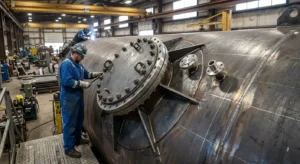
Which Nozzles Simplify Maintenance on Pressure Vessels?
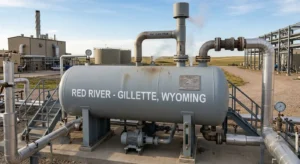
How to Vent Condensate Tanks in Steam Systems
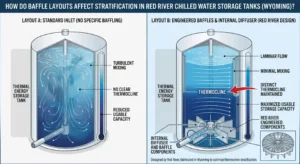
How Do Baffle Layouts Affect Stratification in TES Tanks?
No subpillar set for this blog post.
About Author