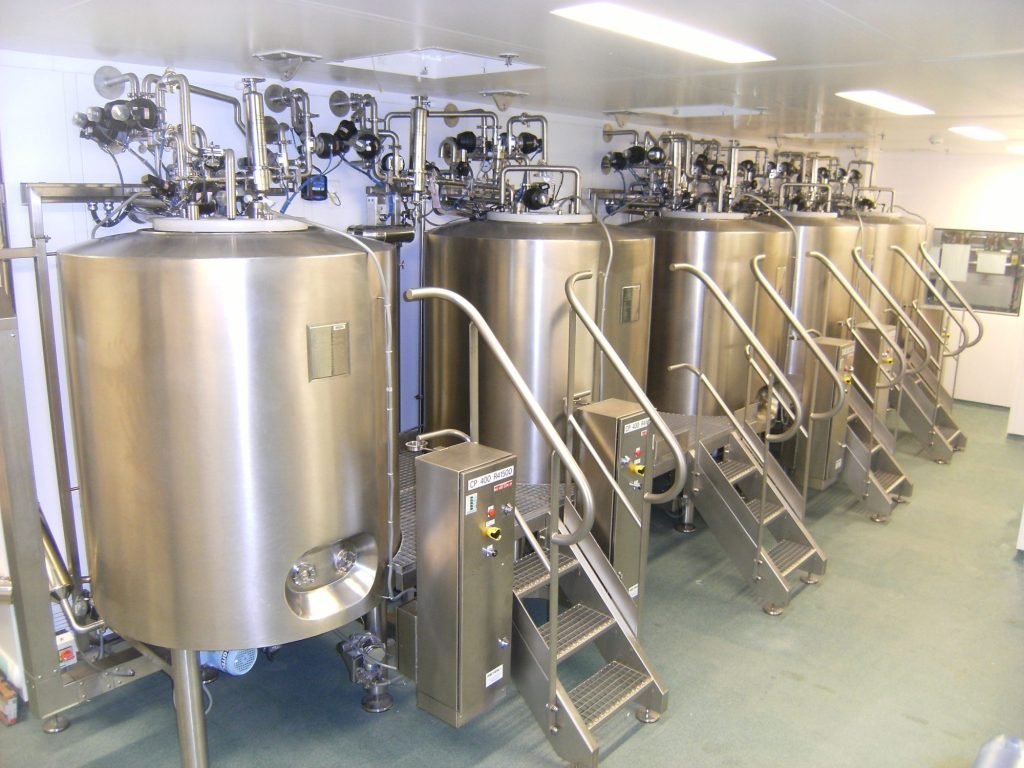
Understanding Manufacturing Production Lines

How Manufacturing Production Lines Drive Efficiency and Quality in Modern Industry
The manufacturing production line is the cornerstone of modern industrial operations. By streamlining the production process, these systems ensure higher efficiency, cost reduction, and consistent product quality. Across industries such as automotive, electronics, pharmaceuticals, and food production, manufacturing production lines play a crucial role in meeting growing demand, enhancing productivity, and reducing waste. In this guide, we’ll delve into the significance of manufacturing production lines, their impact on different sectors, and how they contribute to manufacturing excellence.
What is a Manufacturing Production Line?
A manufacturing production line refers to an assembly process in which products move through a series of workstations where workers or machines perform specific tasks. These tasks range from assembling parts, painting, or testing the product. The line is designed to maximize efficiency, reduce labor costs, and ensure that high-quality products are consistently produced.
For a deeper understanding of manufacturing systems, you can explore this detailed explanation on Wikipedia.
Key Characteristics of Manufacturing Production Lines
The key traits of a manufacturing production line are its ability to:
Streamline operations, reducing production time.
Minimize errors through standardized processes.
Increase product uniformity and consistency.
Lower production costs by reducing labor requirements and material waste.
For a related industrial process, read about how process vessels contribute to efficient production.
Importance of Manufacturing Production Lines in Various Industries
The manufacturing production line is indispensable across numerous industries, including automotive, electronics, food, and pharmaceuticals. Here’s how it impacts some key sectors:
Automotive Industry
In automotive manufacturing, production lines revolutionized the industry by increasing production speed while maintaining quality. The assembly line in automotive factories allows components like engines, doors, and electronics to be installed at each stage, ensuring precision and speed.
Electronics Manufacturing
For electronics, including smartphones and computers, the manufacturing production line is essential for precision assembly. Components such as circuit boards and displays are assembled in a specific sequence to ensure optimal functionality.
For more insights into manufacturing and its relationship with various industries, visit our article on vessels in logistics.
Food and Beverage Sector
In the food and beverage industry, production lines are crucial for tasks like packaging and bottling. They ensure products are produced consistently, safely, and at high volumes.
Pharmaceuticals
In the pharmaceutical sector, the manufacturing production line is used for processes like tablet production, coating, and packaging. These systems are designed to ensure that each product meets stringent quality standards.
Technological Advancements in Manufacturing Production Lines
Today, technological innovations such as automation, robotics, and the Internet of Things (IoT) are transforming the manufacturing production line. These technologies help reduce downtime, increase output, and provide real-time data analytics, improving overall efficiency.
You can explore the role of automation in manufacturing further in this detailed guide to process vessels in industrial applications.
Conclusion
The manufacturing production line has become the backbone of modern manufacturing. From automotive to pharmaceuticals, its role in increasing productivity, reducing costs, and ensuring quality cannot be overstated. By embracing technological advancements, industries continue to refine and enhance their production processes, making it more efficient and sustainable.
Call to Action
Are you ready to optimize your production line for higher efficiency? Contact Red River today to explore our range of solutions designed for modern manufacturing.
Frequently Asked Questions (FAQs)
What are the advantages of using a manufacturing production line?
A manufacturing production line offers several benefits, including increased efficiency, reduced production time, minimized labor costs, and improved product consistency.
How do manufacturing production lines improve quality control?
By standardizing processes and using automated systems, production lines reduce human errors and ensure each product meets consistent quality standards.
Can a manufacturing production line be customized for different products?
Yes, manufacturing production lines are often designed to be flexible, allowing them to accommodate different products and production requirements.
What technologies are commonly used in modern manufacturing production lines?
Automation, robotics, and IoT devices are commonly used to improve precision, speed, and tracking in manufacturing production lines.
How do manufacturing production lines affect sustainability?
By optimizing resource use and minimizing waste, manufacturing production lines contribute to sustainability in industries.
Key Takeaways
A manufacturing production line improves efficiency and reduces production costs.
It ensures uniformity and consistency in product quality.
Technological advancements such as automation and IoT are enhancing production line performance.
Different industries, including automotive, food, and pharmaceuticals, rely on production lines for efficient manufacturing.
Solutions
In the realm of industrial solutions, Red River emerges as a pioneer, offering a diverse range of custom-engineered products and facilities. Among our specialties is the design and production of Custom/OEM Pressure Vessels, meticulously crafted to meet individual client requirements, ensuring performance under various pressure conditions. Our expertise extends to the domain of prefabrication, where Red River leads with distinction.
The company excels in creating prefabricated facilities, modules, and packages, reinforcing its stance as a forerunner in innovation and quality. This proficiency is further mirrored in their Modular Skids offering, where they provide an array of Modular Fabricated Skid Packages and Packaged equipment. Each piece is tailored to client specifications, underlining their commitment to delivering precision and excellence in every project they undertake.


Related Blog Post
Can Condensate Storage Improve Reliability?
Where Do Condensate Tanks Fit in a Steam System?
Which Nozzles Simplify Maintenance on Pressure Vessels?
How to Vent Condensate Tanks in Steam Systems
How Do Baffle Layouts Affect Stratification in TES Tanks?
No subpillar set for this blog post.
About Author