Pallet Skid Guide: Key Differences Between Pallets and Skids
Introduction: Why “Pallet Skid” Matters in Logistics
In logistics and material handling, choosing between a pallet and a skid—sometimes together referred to as a pallet skid—can impact efficiency, cost, stability, and compatibility. In this guide, we’ll unpack the differences clearly and help you make the best decision for your operations.
Understanding the Basics
What Is a Pallet?
A pallet is a flat platform—usually with both top and bottom decks—used to support goods during storage and transport. Its standardized dimensions (like the common 48×40‑inch size) allow seamless use with equipment like forklifts and pallet jacks.
What Is a Skid?
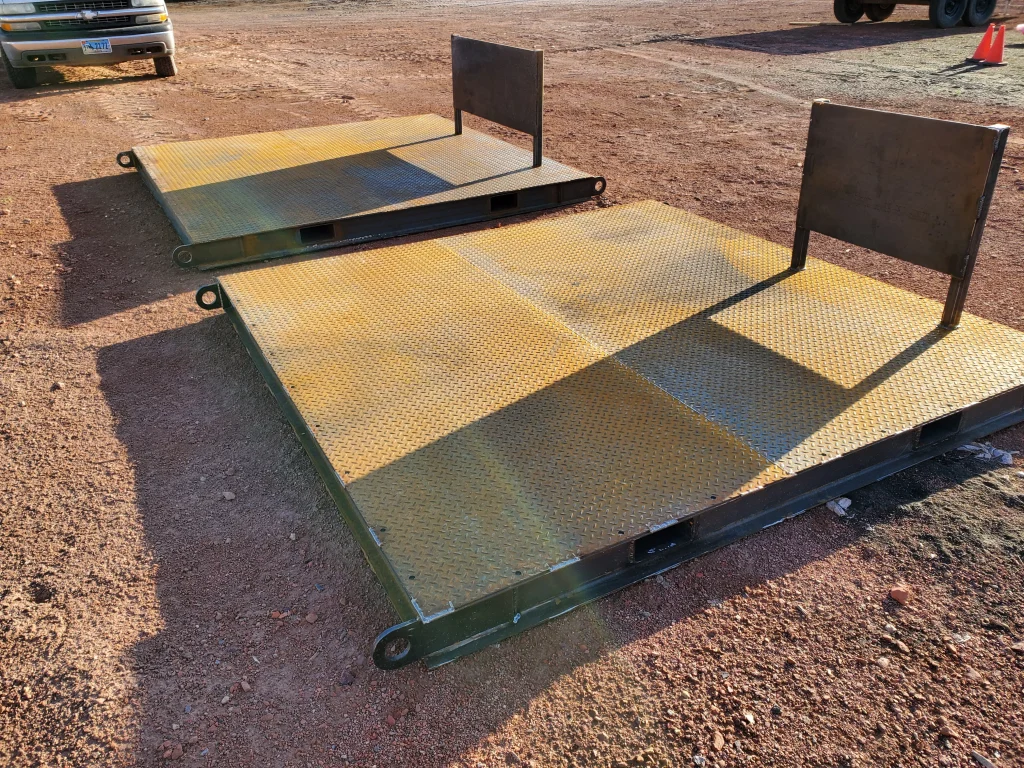
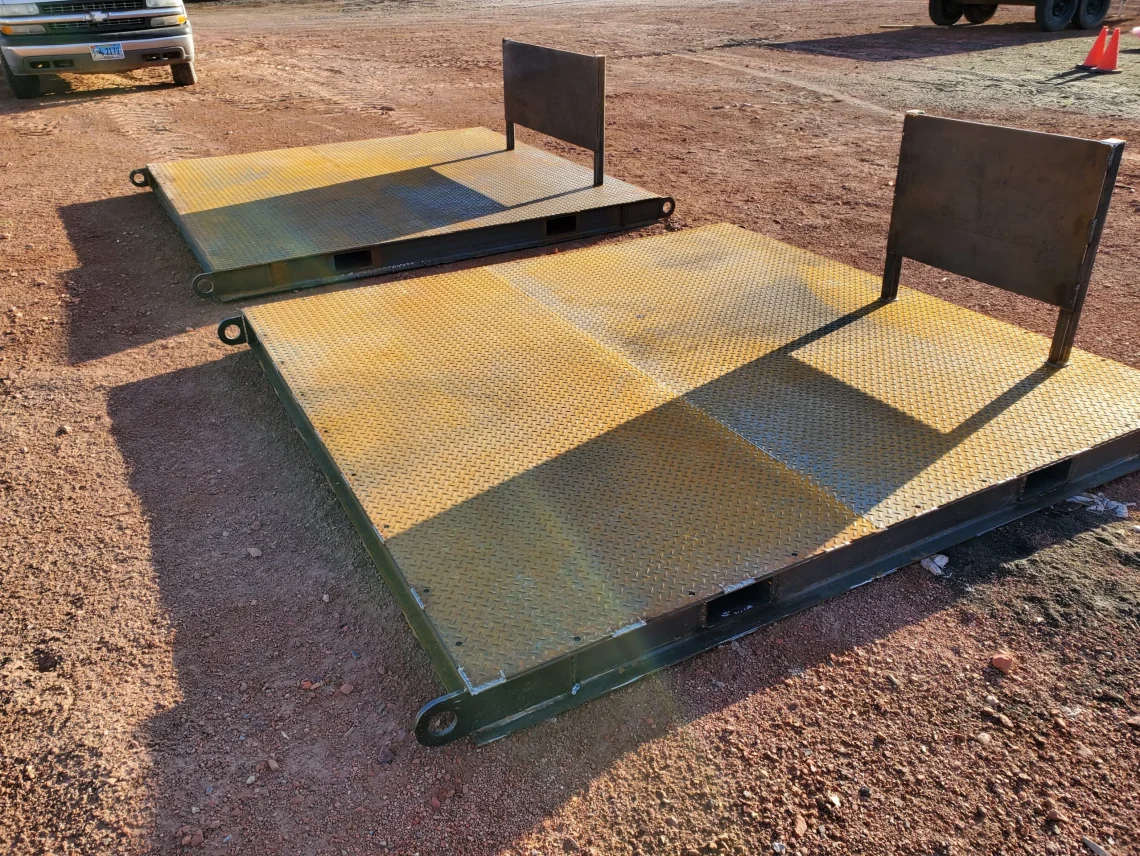
A skid resembles the original pallet design, featuring just a top deck supported by runners or stringers—without a bottom deck. This simpler, more lightweight structure makes skids ideal for temporary, custom, or heavy machinery use. Learn more about skid types and applications in Red River’s insights on types of skids and how they serve material handling in Unlocking the Purpose and Versatility of Skids in Material Handling.
Key Differences (with Enhanced Comparison)
| Feature | Skid | Pallet |
|---|---|---|
| Bottom Deck | No | Yes |
| Entry Points | 2‑way entry via runners | 4‑way entry for forklifts and pallet jacks |
| Standardization | Variable sizes | Standardized (e.g., 48×40″) |
| Stackability | Limited | Excellent |
| Typical Use | Temporary or machinery base | Shipping, warehousing, long-term storage |
| Cost | Lower—simpler design | Higher due to materials and complexity |
| Weight Capacity | Moderate | High |
| Versatility | Limited; custom capable | High—automated systems, racking, conveyors |
Materials, Standards, & Use Cases
Materials: Pallets and skids are typically made from wood, plastic, or metal—wood being most common due to its balance of cost and strength.
Standards & Regulations: Pallets used in international shipping often follow ISPM 15 regulations to prevent pest infestation. Discover the varied industry uses for skids in the world of construction skids.
Use Cases:
Pallets: Best suited for high-volume shipping, automated systems, and long-term storage.
Skids: Ideal for custom-sized projects, machinery bases, construction sites, and situations where simplicity and cost are paramount.
Explore & Learn: Trusted Resources for Pallet Skid Insights
For a deeper understanding of pallet and skid structures and functions, you can refer to authoritative sources such as:
Choosing Between a Pallet and a Skid
Pallets offer standardized, stackable, and highly versatile logistics solutions—even if they come at a higher cost.
Skids, conversely, are simpler, cost-effective, and customizable—perfect for heavy equipment, temporary setups, or special-sized loads.
Ready to Optimize Your Logistics?
Consider your unique needs—load type, equipment, storage, and handling complexity. Connect with Red River to help design or source the right pallet skid solution for your project.
Frequently Asked Questions
What is the main structural difference between a pallet and a skid?
A pallet includes a bottom deck for stability and stackability, while a skid has just a top deck—making it lighter but less stable in stacking.
Can I use a skid instead of a pallet for shipping?
You can for short distances or custom scenarios, but pallets are usually better for secure stacking, standardized transport, and long-term storage.
Why are pallets more expensive than skids?
Pallets require more materials, have more precise standardization, and offer greater structural strength and equipment compatibility.
Are there industry standards for pallets?
Yes—especially for international use. Pallets must meet ISPM 15 standards (wood treatment for pest control), among other regional regulations.
Can both pallets and skids be customized?
Yes! Pallets and skids can be tailored in size, material, and design, but skids generally allow easier customization for unique or heavy-duty purposes.
Which should I choose for heavy machinery—the pallet or skid?
A skid is often better suited because of its simple, sturdy nature and ease of customization for heavy or awkward loads.
Are pallets more suitable for warehouse automation?
Absolutely. Pallets’ standardized shape and four-way entry make them ideal for conveyor systems, racks, and robotic handlers.
Key Points to Remember
Pallets and skids both help move and store goods, but pallets have a bottom deck and are more stable.
Pallet skids refers to comparing and choosing between the two in logistics.
Pallets are best for stacking, automated warehouses, and long-term use.
Skids are cost-effective, simple, and good for heavy machinery or custom uses.
Both can be customized for special sizes or materials.
Using the right option can make your shipping and storage safer and more efficient.
Solutions
In the realm of industrial solutions, Red River emerges as a pioneer, offering a diverse range of custom-engineered products and facilities. Among our specialties is the design and production of Custom/OEM Pressure Vessels, meticulously crafted to meet individual client requirements, ensuring performance under various pressure conditions. Our expertise extends to the domain of prefabrication, where Red River leads with distinction.
The company excels in creating prefabricated facilities, modules, and packages, reinforcing its stance as a forerunner in innovation and quality. This proficiency is further mirrored in their Modular Skids offering, where they provide an array of Modular Fabricated Skid Packages and Packaged equipment. Each piece is tailored to client specifications, underlining their commitment to delivering precision and excellence in every project they undertake.


Related Blog Post
Can Condensate Storage Improve Reliability?
Where Do Condensate Tanks Fit in a Steam System?
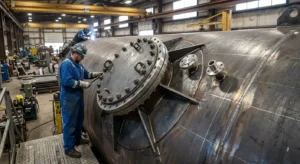
Which Nozzles Simplify Maintenance on Pressure Vessels?
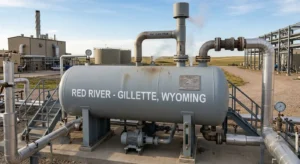
How to Vent Condensate Tanks in Steam Systems

How Do Baffle Layouts Affect Stratification in TES Tanks?
No pillar keyword set for this post.
About Author