American chemical pressure vessels are vital for safe, compliant, and efficient chemical processing in the U.S. Designed to meet ASME and API standards, they ensure long-term reliability, digital integration, and environmental safety.
Why American Chemical Pressure Vessels Matter
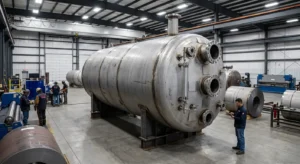
American chemical pressure vessels are foundational components in modern industrial infrastructure. Designed to safely contain gases or liquids at pressures significantly different from atmospheric levels, these vessels enable safe chemical processing, thermal regulation, and storage across sectors like pharmaceuticals, petrochemicals, and agriculture.
Built using durable materials such as carbon steel, stainless steel, or alloys like Hastelloy and Inconel to withstand extreme thermal and mechanical stress. Their role is essential in upholding safety, environmental compliance, and production efficiency across the United States’ vast chemical industry.
Core Functions of American Chemical Pressure Vessels
- Containment Under Pressure: American chemical pressure vessels are engineered to safely hold pressurized substances such as hydrogen, ammonia, methane, and chlorinated compounds. Their designs include pressure-relief valves, reinforced welds, and corrosion-resistant linings to prevent leaks, ruptures, or contamination.
- Thermal Regulation & Reaction Control: In chemical production, these vessels act as heat exchangers and reactors. They regulate internal temperatures through jacketed systems or external coils, facilitating endothermic and exothermic reactions safely.
- Integration with Control Systems: Modern chemical pressure vessels are embedded with IoT-enabled sensors, alarms, rupture disks, and SCADA interfaces. This integration ensures real-time monitoring and predictive maintenance, minimizing human error and unplanned downtime.
Compliance and Safety in the American Regulatory Landscape
- ASME Standards and API 579: All American chemical pressure vessels must comply with the ASME Section VIII Boiler and Pressure Vessel Code. API 579 further supports integrity assessments through non-destructive testing (NDT), lifecycle analysis, and failure mode detection. Without adherence to these standards, vessels cannot operate legally or safely.
- Maintenance and Inspection Protocols: Regular inspection procedures, such as hydrostatic testing, ultrasonic thickness testing, and magnetic particle inspection, are mandated by OSHA and local authorities. These practices prolong vessel lifespan and ensure operational integrity.
- Environmental and Worker Safety: Isolate hazardous materials from the environment and workforce. Their advanced linings and secondary containment structures reduce emissions, protect personnel, and support EPA compliance.
Customization and Innovation in U.S. Fabrication
- Material Versatility U.S. manufacturers build chemical pressure vessels with specialized alloys like duplex stainless steel, Inconel, and Hastelloy. These materials resist corrosion, pressure, and high temperatures, making them ideal for niche chemical processes.
- Purpose-Built Engineering Custom features such as agitators, spray balls, sight glasses, and multi-compartment setups enable vessels to meet plant-specific requirements, enhancing automation, cleanliness, and output precision.
- Digital Advancements Smart to transmit data to cloud dashboards for real-time condition monitoring. Predictive maintenance based on vibration, temperature, and pressure trends is becoming the industry standard.
Key Advantages
- Designed to ASME and API standards
- Long lifecycle with minimal maintenance
- Custom fabrication for specialized chemical processes
- Support predictive maintenance and automation
- Enhanced environmental and worker safety
Why Your Facility Needs Top-Tier American Chemical Pressure Vessels
They are critical safeguards and performance enablers in any chemical plant. From compliance and efficiency to innovation and environmental protection, these vessels represent the backbone of secure and scalable chemical operations. Investing in expertly fabricated, ASME-compliant vessels ensures long-term reliability and operational peace of mind.
Your Partner in American Chemical Pressure Vessels
Red River designs and fabricates American chemical pressure vessels that exceed industry standards. We also produce prefabricated spools and skid-mounted systems tailored for specific chemical applications.
Choose Red River, where American-made meets American values.
Contact us today to learn more.
Frequently Asked Questions
1. What is API 579 for pressure vessels?
API 579 provides guidelines for assessing the structural integrity of existing pressure vessels through fitness-for-service evaluations.
2. How do American chemical pressure vessels differ from global types?
They adhere to stricter ASME codes, integrate digital monitoring systems, and often feature higher-grade materials for performance and longevity.
3. What’s the lifecycle of a chemical pressure vessel?
Typically 15–30 years, depending on the environment, material, and maintenance schedule.
4. Can one vessel be used for multiple processes?
Yes, if properly cleaned, validated, and built with flexible features.
5. What are common signs of pressure vessel failure?
Cracks, abnormal pressure readings, corrosion, and leaks are all of which require immediate professional assessment.
Key Takeaways
- American chemical pressure vessels are essential for safety, compliance, and operational efficiency in chemical plants.
- Compliant with ASME and API standards, they support long lifespans and minimal downtime.
- Digital integration and custom fabrication make them adaptable to a wide range of industrial needs.
- Red River provides expertly engineered, American-made vessels tailored to specific chemical applications.
Related Blog Post
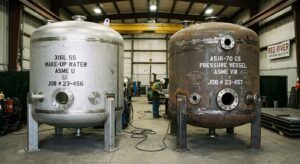
Which Materials Suit Make-Up Water Service?
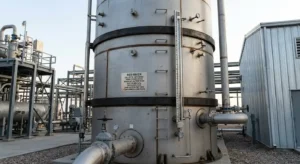
How Big Should Make-Up Water Tanks Be?
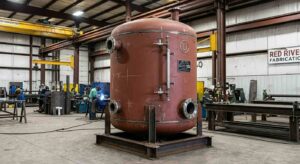
Make-Up Water Tanks: Design, Sizing, and Fabrication
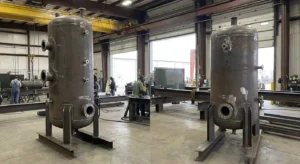
When to Spec Equalization Tanks for Industrial Systems
How Do Equalization Tanks Balance Flow?
- How U.S. Nuclear Pressure Vessels Power American Nuclear Plants
- How Food Processing Pressure Vessels Support U.S. Food Plants
- Pressure Vessels in Biotech and Biofuel: A Growing Trend
- How American Marine Pressure Vessels: U.S. Maritime Operations
- Aerospace Applications of American Aerospace Pressure Vessels
- How Pressure Vessels for Pharmaceuticals Support U.S. Drug Manufacturing