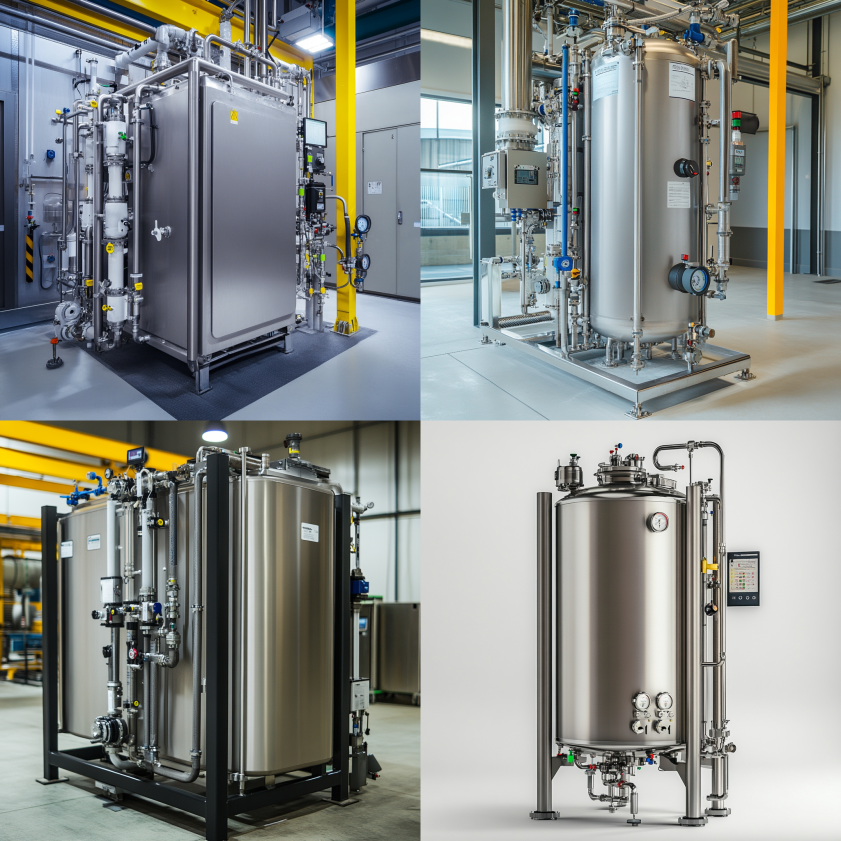
Commercial water pressure vessels improve system efficiency by regulating pressure, stabilizing flow across multiple outlets, and reducing pump cycles, which lowers energy use and mechanical stress. Proper sizing, maintenance, and working with certified fabricators ensure long-term performance, reliability, and cost savings.
What Are Chemical Dosing Vessels?
Water purification systems rely on precision, safety, and efficiency and at the heart of this process lies a critical component: the chemical dosing vessel. These vessels are designed to store and administer precise volumes of treatment chemicals, ensuring that water is safe and clean for various uses.
At their core, chemical dosing vessels act as controlled storage and injection systems for liquid treatment chemicals. Whether chlorine for disinfection, coagulants for particle removal, or pH adjusters, these vessels deliver accurate chemical volumes into a water stream. In many applications, they function as specialized pressure vessels, designed to meet stringent operational and safety requirements similar to those discussed in Red River’s overview of pressure vessels.
Unlike standard tanks, chemical dosing vessels are meticulously engineered to handle specific chemicals, pressures, and environments. From municipal treatment plants to industrial process systems, they play an integral role in reliable water treatment solutions supported by Red River’s broader solutions portfolio and advanced fabrication capabilities.
In municipal applications, dosing vessels help deliver safe drinking water to communities. In industrial settings, they support cooling towers, boiler systems, and manufacturing processes many of which rely on principles outlined in Red River’s guide to understanding pressure vessels. In commercial environments such as food processing facilities, resorts, and office complexes, these vessels protect equipment and maintain hygiene.
Why They Matter in Water Purification Systems
Chemical dosing vessels may seem like a behind-the-scenes component, but their role is foundational to the entire water treatment process. Let’s break down why they matter so much:
Ensures Accurate Dosing for Consistent Treatment
Water treatment chemicals must be introduced at exact concentrations. Too little compromises water safety; too much risks corrosion, health hazards, and non-compliance. Precision dosing vessels often fabricated using best practices similar to those in custom pressure tank manufacturing ensure stable, repeatable dosing.
Prevents Chemical Overuse or Underuse
Overdosing leads to wasted chemicals and damaged infrastructure, while underdosing leaves contaminants untreated. Properly designed vessels regulate flow and concentration, aligning with the principles discussed in why you might need a pressure tank.
Protects Downstream Systems and Improves Water Quality
Stable dosing improves water quality while protecting downstream equipment such as piping, valves, and filters. This protection mirrors the concerns outlined in Red River’s discussion of water presence in pressure vessels.
Supports Regulatory Compliance and Environmental Safety
Dosing vessels help facilities comply with OSHA and EPA regulations by providing controlled, monitored chemical delivery. Many modern systems integrate automation similar to those used in ASME-certified pressure vessels, ensuring consistent compliance under variable operating conditions.
Key Features and Materials
The design and materials of chemical dosing vessels must be carefully considered based on the chemicals they will hold, the surrounding environment, and the required pressure or flow characteristics. Let’s explore their typical construction and design features.
Typical Construction Materials: HDPE, Stainless Steel, Fiberglass
High-density polyethylene (HDPE): Ideal for non-corrosive environments and more cost-sensitive operations. It’s lightweight and chemically resistant to a broad range of substances.
Stainless steel: Ideal for high-pressure or high-temperature systems, especially when long-term durability is required an approach further explained in Red River’s article on why use stainless steel sheet metal fabrication.
Fiberglass-reinforced plastic (FRP): Offers a balance between durability and corrosion resistance. It’s commonly used when chemical compatibility is a concern but the metal might be too reactive.
To understand how these materials are selected in separation processes, refer to this Separation Process Guide on Britannica.
Importance of Corrosion Resistance and Chemical Compatibility
Improper material selection can lead to corrosion, leaks, and premature failure. Corrosion-resistant vessels extend service life and reduce maintenance key goals shared with safety and compliance in pressure vessel design.
Design Features: Level Indicators, Fill Points, Pressure Ratings, Venting
Chemical dosing vessels come with built-in or optional features that support both safety and efficiency:
- Level indicators let operators know how much chemical remains.
- Fill points and inspection hatches simplify refilling and maintenance.
- Pressure ratings define the operating limits for pressurized systems.
- Ventilation and pressure relief features prevent dangerous build-up of gases or over-pressurization.
Choosing the Right Size and Capacity for Your Operation
Correct sizing depends on treatment volume, dosage rate, and refill frequency. Oversized vessels can cause chemical degradation, while undersized systems increase maintenance demands. These sizing considerations parallel those discussed in understanding water tanks as pressure vessels.
Key sizing considerations include:
- Chemical concentration
- Flow rate of treated water
- Dosing frequency
- Operating environment (temperature, pressure)
Maintenance and Safety Best Practices
Chemical dosing vessels operate around potentially hazardous substances. That’s why regular inspection, proper handling, and adherence to safety protocols are essential to protect both personnel and the system itself.
Regular Inspection Routines (Leaks, Rust, Calibration)
A robust maintenance schedule should include:
- Visual inspections for cracks, rust, or chemical leaks
- Calibration of dosing systems to ensure accurate delivery
- Checking connections and seals for wear and tear
- Tested level sensors and alarms
Safe Chemical Handling and PPE
Operators must follow strict safety procedures, including:
- Wearing appropriate Personal Protective Equipment (PPE) such as gloves, goggles, and chemical-resistant clothing
- Knowing the Material Safety Data Sheets (MSDS) for every chemical in use
- Using spill containment systems to reduce hazards during filling or maintenance
Refer to the OSHA guidelines on chemical handling and inspections for best practices and regulatory standards.
Monitoring Dosing Levels and Flow Rate
Automated systems and flow meters are increasingly used to track dosing performance. These tools can:
- Trigger alerts for under or over-dosing
- Monitor consumption trends
- Support audits and compliance reporting
Lifespan and Signs of Wear
While the lifespan varies based on material and usage, most vessels last 5–15 years with proper care. Signs that a vessel needs attention include:
- Discoloration or swelling
- Reduced dosing accuracy
- Visible corrosion or surface degradation
- Slow flow or pressure inconsistencies
Linking to OSHA and Environmental Compliance Standards
Compliance with OSHA safety standards and EPA water treatment regulations is non-negotiable. Dosing vessels must meet standards for storage, containment, and pressure safety. Proper training and documentation ensure that your facility stays in good standing and protects the health of workers and the public.
Essential Partners in Water Safety: The Value of Well-Maintained Chemical Dosing Vessels
Chemical dosing vessels are the unsung heroes of water treatment systems, ensuring that chemicals are precisely administered for safe, clean water. By understanding their construction, design features, and maintenance needs, you can maximize their effectiveness while minimizing risks.
Need a reliable partner?
Red River specializes in the design and manufacturing of pressure vessels. We also fabricate related items such as prefabricated spools and skid packages.
Reach out to us today and experience the Red River difference. Where American-made products and American Values come together, we care more.
Frequently Asked Questions
1. What is a chemical dosing vessel used for?
It stores and delivers precise amounts of chemicals into water systems to treat and purify water effectively.
2. Are dosing vessels pressurized?
Some are pressurized, depending on application needs. Others operate at atmospheric pressure for simpler setups.
3. What materials are best for chemical dosing vessels?
Stainless steel, HDPE, or fiberglass chosen based on the chemical’s properties and required durability.
4. How do you size a dosing vessel for your system?
Consider chemical flow rate, retention time, concentration, and system volume. Working with a fabricator can help determine the best fit.
5. How often should dosing vessels be inspected?
At least monthly, or more frequently if operating under harsh conditions or with aggressive chemicals.
6. Can dosing vessels be customized?
Yes. Many industrial setups require custom fabrication to meet volume, pressure, or space constraints.
7. What are signs that a dosing vessel needs replacement?
Cracks, corrosion, discoloration, or inaccurate dosing are key indicators that a vessel is no longer safe or efficient to use.
8. How do chemical dosing vessels contribute to water safety?
By ensuring consistent chemical treatment, they help meet water quality standards and prevent contamination.
Key Takeaways
- Chemical dosing vessels are essential for the accurate, safe delivery of treatment chemicals in water purification systems.
- Selecting the right materials and size helps ensure long-term durability and operational efficiency.
- Ongoing maintenance and safety protocols reduce downtime, extend vessel lifespan, and ensure regulatory compliance.
- These vessels support a wide variety of sectors from public utilities to high-demand industrial water systems.
Related Blog Post
Can Condensate Storage Improve Reliability?
Where Do Condensate Tanks Fit in a Steam System?
Which Nozzles Simplify Maintenance on Pressure Vessels?
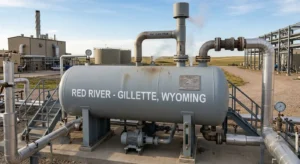
How to Vent Condensate Tanks in Steam Systems
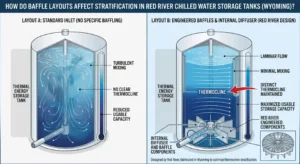
How Do Baffle Layouts Affect Stratification in TES Tanks?
No related articles found.
About Author