
Understanding Pressure Vessels in Commercial Applications
In commercial and industrial environments, efficient water system management is not just about saving money—it’s about reliability, performance, and sustainability. One often-overlooked component that plays a major role in achieving these goals is the commercial water pressure vessel. Commercial water pressure vessels are central to maintaining optimal operation and ensuring consistent performance across various applications.
This article explores how commercial water pressure vessels enhance efficiency, offering insights into best practices, technical benefits, and frequently asked questions to help decision-makers make informed choices.
What Is a Pressure Vessel?
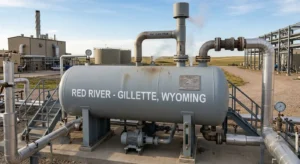
A pressure vessel is a closed container specifically designed to hold gases or liquids at a pressure substantially different from the ambient environment. In the context of water management, pressure vessels in commercial water systems are commonly used to maintain consistent pressure, store water, and reduce the workload on pumps.
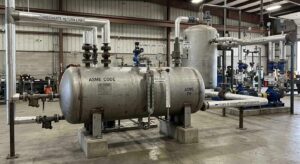
These vessels are engineered to comply with strict safety and performance standards, especially those outlined by the American Society of Mechanical Engineers (ASME), ensuring pressure vessels in commercial water systems operate reliably under high-pressure conditions.
Common Uses in Water Systems
In commercial settings, commercial water pressure vessels perform a variety of tasks, including:
- Filtration: Assisting water treatment systems by supporting filtration media
- Storage: Serving as reservoirs to manage water availability and reduce reliance on real-time pumping
- Pressure Balancing: Stabilizing system pressure across buildings or large-scale facilities
These functions are critical in environments such as hospitals, hotels, high-rise buildings, and industrial manufacturing plants where high water demand is routine and water pressure must remain stable.
Why Commercial Systems Require Higher Efficiency
Commercial water systems are inherently more complex than residential ones. With numerous outlets, fluctuating demand, and the need for uninterrupted service, inefficiencies can lead to costly disruptions, increased energy consumption, and premature wear on infrastructure. This is where commercial water pressure vessels prove essential—they support higher throughput, stabilize fluctuations, and create a buffer that improves overall system efficiency.
Key Ways Pressure Vessels Improve System Efficiency
Enhancing Water Pressure Regulation
Maintaining optimal water pressure is a cornerstone of commercial water system efficiency. Without proper pressure control, systems face excessive wear and tear, leaks, and inconsistent delivery.
- Stable pressure reduces wear and tear: By absorbing sudden changes in water pressure, commercial water pressure vessels protect valves, fixtures, and piping from pressure surges, extending the lifespan of system components.
- Prevents pressure drops during peak demand: In high-demand settings like commercial kitchens or shared restrooms, pressure drops can affect productivity and customer satisfaction. Commercial water pressure vessels ensure consistent delivery even when multiple outlets are used simultaneously.
Minimizing Energy Consumption
Energy use in water systems largely stems from the pump mechanisms. Pressure vessels in commercial water systems contribute to energy efficiency by reducing the frequency and intensity of pump operations.
- Reduces pump cycling: Frequent cycling not only increases energy usage but also accelerates pump wear. Commercial water pressure vessels act as a buffer, allowing pumps to run less often and more efficiently.
- Keeps systems running smoother and longer: With consistent pressure and lower energy demand, pumps and associated components last longer, translating to lower maintenance and operating costs.
Learn more about how pressure vessels in commercial water systems support efficient water system operation on our pressure vessels page.
Improving Flow Rates and Distribution
Flow rate inconsistencies are a common issue in large buildings. Commercial water pressure vessels help regulate distribution across the system.
- More consistent delivery across infrastructure: Whether it’s the top floor of a high-rise or the far end of an industrial wing, commercial water pressure vessels help maintain even flow across the board.
- Better support for multi-outlet systems: Facilities with multiple water-using stations—like schools, medical centers, or manufacturing lines—benefit from steady pressure that reduces wait times and increases throughput.
Supporting System Longevity
Beyond performance, efficiency is also about durability and minimizing operational interruptions.
- Reduces mechanical stress: By balancing pressure surges and maintaining a steady flow, commercial water pressure vessels prevent unnecessary stress on the system.
- Helps prevent costly breakdowns: By supporting consistent operation and reducing the risk of failures, commercial water pressure vessels contribute to fewer emergency repairs and system downtimes.
Best Practices for Using Pressure Vessels Efficiently
To maximize the benefits of commercial water pressure vessels, it’s important to install and maintain them correctly. Here are some best practices to follow:
Regular Inspections and Maintenance
Pressure vessels in commercial water systems must be checked regularly for signs of wear, corrosion, or mechanical failure. This includes monitoring pressure gauges, checking for leaks, and inspecting valves and connections.
The OSHA website recommends periodic safety checks for all pressure-related systems. Learn more about our ASME certified pressure vessels that meet the highest safety standards.
Choosing the Right Size and Material
Not all pressure vessels in commercial water systems are created equal. Sizing should be based on system capacity, peak flow requirements, and expected pressure variations. Common materials include:
- Carbon steel (affordable and strong for general use)
- Stainless steel (resistant to corrosion and ideal for sensitive applications)
For specialized applications, check out our pulsation vessels that help dampen pressure fluctuations in dynamic systems.
Proper Integration into Your Water System Design
Work with qualified professionals to ensure the pressure vessels in commercial water systems integrate seamlessly with your water system. This involves understanding flow dynamics, valve placement, and backflow prevention.
Our prefabrication services can help ensure that your pressure vessel system is designed for optimal performance from the start.
Working with Qualified Fabricators
Well-designed pressure vessels in commercial water systems are only as good as their manufacturer. Working with ASME-certified professionals ensures your vessels meet legal standards and perform reliably.
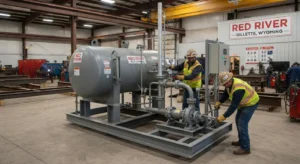
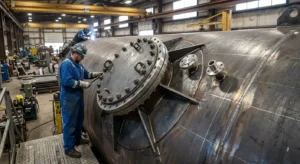
At Red River, we specialize in the design and fabrication of pressure vessels in commercial water systems tailored to your system’s exact needs. Our team brings decades of industry experience, American values, and engineering expertise to every project. Learn more about our capabilities and how we deliver excellence in pressure vessel fabrication.
The Essential Role of Commercial Water Pressure Vessels in System Efficiency
Commercial water pressure vessels are a key element in making water systems more efficient. They regulate water pressure, reduce pump cycles, and stabilize flow across multiple outlets. By reducing stress on mechanical parts and lowering energy consumption, commercial water pressure vessels improve the long-term performance of the entire water system.
Need a reliable partner?
Red River specializes in the design and manufacturing of pressure vessels in commercial water systems. We also fabricate related items such as prefabricated spools and modular skid packages.
Reach out to us today and experience the Red River difference. Where American-made products and American Values come together, we care more.
Frequently Asked Questions
1. What do commercial water pressure vessels do?
A: Commercial water pressure vessels store water under pressure, helping regulate flow and stabilize system performance, especially during peak demand.
2. How do commercial water pressure vessels save energy?
A: Commercial water pressure vessels reduce the frequency of pump operations by storing pressurized water, leading to fewer pump cycles and lower electricity usage.
3. What materials are commonly used in commercial water pressure vessels?
A: Carbon steel and stainless steel are the most common materials for commercial water pressure vessels. The choice depends on factors like water composition, pressure range, and corrosion resistance.
4. Do commercial water pressure vessels help in water conservation?
A: Yes, commercial water pressure vessels prevent over-pressurization and reduce leaks by maintaining consistent pressure, leading to less water waste.
5. How often should commercial water pressure vessels be inspected?
A: Commercial water pressure vessels should be inspected annually or more often in high-demand systems. Inspections should include pressure readings, valve checks, and a structural integrity review.
Want to know more about getting quotes for your pressure vessel project? Check out our guide on how professionals get vessel quotes fast.
Key Takeaways
- Commercial water pressure vessels are essential for making water systems more efficient
- They regulate water pressure, reduce pump cycles, and stabilize flow across multiple outlets
- By reducing stress on mechanical parts and lowering energy consumption, commercial water pressure vessels improve the long-term performance of the entire water system
- Proper sizing, regular maintenance, and expert fabrication of commercial water pressure vessels are essential for optimizing efficiency