Welding certification training varies widely, from short crash courses to multi-month programs, depending on your goals, schedule, and chosen process like Gas Tungsten Arc Welding (GTAW). Programs combine theory, hands-on labs, and exams from recognized bodies such as AWS or ASME, allowing beginners and experienced welders to earn credentials and advance careers in high-demand industries.
How Long Is Welding Certification Training Explained
If you have ever asked yourself how long is welding certification training, you are not alone. While many understand the value of credentials, the duration of training is often unclear. Some short, intensive programs promise a certificate in a few weekends, while more in-depth courses can last six months or longer. This leads many to ask, “Which path is right for me?” The good news is that you can tailor your schedule and goals with welding certification programs, including processes like Gas Tungsten Arc Welding (GTAW). to build skills effectively.
How long is welding certification training: A closer look
There is no single universal answer to the question of how long your welding certification training will last. Depending on the institution and the type of welding process you want to learn, you might encounter:
- Weekend crash courses: Typically designed as an introduction or specialization workshop, these can last a few days and focus on fundamentals (like safety and basic techniques).
- Short-term certificate programs: Commonly found at community colleges or technical schools, they might last from 3 to 6 months, providing a structured curriculum and hands-on labs.
- Semester-based courses: Commonly found at community colleges or technical schools, they might last from 3 to 6 months, providing a structured curriculum and hands-on labs.
- Longer apprenticeship-style programs: In some cases, a welding apprenticeship could extend up to a year or more, blending on-the-job training with classroom sessions.
Each approach can lead to a recognized certification if you meet the standards set by entities like the American Welding Society (AWS) or the American Society of Mechanical Engineers (ASME). For instance, Red River LLC is a respected example of a company that holds ASME certifications (including U4 and R stamps), and they are also a member of AWS. Although they focus more on production capabilities, they illustrate the wide range of professional standards in welding.
You can explore welding school programs and welding certification training options that fit your level, whether you’re new or sharpening existing skills. Some courses, offered by certain industrial training providers, require no advanced prerequisites. These flexible pathways let you train from a few weeks to several months, depending on how deeply you want to master each welding process.
Factors that shape your training timeline
Many variables come into play that can shorten or lengthen how many hours you spend in welding school programs. By understanding these factors, you will be more confident about setting realistic goals and schedules.
- Skill level: Prior welding experience, even informal, can let you test out beginner modules and accelerate training time.
- Specialization: Are you drawn to GTAW welding certification, or TIG welding certification requiring advanced skills and control.
- Full-time vs. part-time study: Full-time programs provide hands-on hours quickly, while part-time or evening classes extend training duration significantly.
- Online or hybrid options:You can complete some coursework online, but in-person labs remain essential for welding certification online.
- Program design and pace: Institutions vary in curriculum pace; quick immersion or methodical courses require checking syllabi and instructor guidance.
- Institutional requirements: Certain providers, like Red River, emphasize safety and hands-on practice, often adding supervised practice sessions.
Beyond these, you should factor in your own learning curve. Welding requires both technical knowledge and muscle memory. It might seem daunting at first, but remember: Good news this is easier than it sounds if you follow step-by-step Stick welding training and dedicate time to purposeful practice.
What to expect in the coursework
When you enroll in a welding certification training program, you can expect a mix of theory and hands-on labs. The balance between these two can heavily impact how quickly you progress.
- Theory lessons: These include reading welding blueprints, understanding metals, creating isometrics, mastering symbols, integrating AWS codes, using software.
- Safety modules: Nearly every program includes safety training covering PPE, ventilation, hazard awareness, and essential protective measures.
- Hands-on practice: In advanced courses, you might also tackle specialized techniques, including cladding and pressure vessels.
- Exams and certifications: Prove proficiency through tests from recognized bodies like AWS or ASME.including the TIG welding certification test.
The overall duration of your training frequently depends on how these modules are spaced out. A more condensed program might teach multiple courses simultaneously, while a stretched-out schedule would cover them in smaller, more digestible segments in Stick welding training.
Do you need prior experience?
Many entry-level welding certification training programs welcome newcomers with no prior experience. Red River LLC notes that there are no prerequisites for entry into their training sessions. Of course, if you already have some background, schools might let you skip or shorten certain modules, streamlining your training window.
For extra support, investigate welding certification classes that provide bridging courses. These programs walk you through fundamentals, from gear selection to basic gas safety, ensuring a smooth transition to advanced welding. Local community colleges and vocational schools often have well-defined pathways to guide you from zero knowledge to professional-level competency.
How long is welding certification training and what’s next?
By now, you can see there is no strict, one-size-fits-all length for welding certification programs. You will find everything from high-speed crash courses to extended, multi-module tracks. The precise duration depends on the welding process (like TIG or Stick), whether you choose a full-time or part-time schedule, and your personal starting point. If advanced GTAW welding certification is your goal, your timeline may lean toward the longer end, well worth it for refined technique.
Next, figure out which training style fits you. If you need a deeper dive, you may aim for a semester-based model in a technical school. For a more intense experience, an accelerated boot camp paired with independent practice could work. Hands-on opportunities are key; welding is a craft that grows with repetition and informed feedback. Once complete, you may tackle advanced projects, land a job in a specialized industry, or pursue advanced certifications.
Ready to Start Your Welding Journey?
Don’t wait, explore accredited welding certification programs today and choose the training path that fits your goals, schedule, and skill level. Whether you’re aiming for a fast-track course or a comprehensive GTAW/TIG program, the right certification can open doors to high-demand, rewarding careers in welding. Find your program now and take the first step toward mastery!
Frequently Asked Questions
1. Where to get welding certification training?
You can get welding certification training at trade schools, community colleges, or accredited training centers.
2. How to get welding certification training?
To get welding certification training, you need to enroll in a recognized program, complete coursework, and pass the required exams.
3. Can you complete welding certification online?
Some coursework, like theory, safety, and blueprint reading, may be online, but hands-on tests require in-person.
4. Will part-time training take significantly longer?
Yes, part-time classes extend training duration, while intensive tracks allow faster progress and skill retention.
5. How can I start if I have zero welding background?
Beginner programs teach safety and welding fundamentals, gradually progressing to advanced techniques through certified course options.
6. Which industries value a welding certification the most?
Industries like shipbuilding, aerospace, automotive, and construction value certified welders with AWS or ASME credentials.
Key takeaway
- Understanding your goals: Whether you aim for a short crash course or a deep-dive certificate, pick a program that aligns with the amount of time and detail you need.
- Program structure matters: Different schools and organizations break down their training differently. Skim through the syllabus to see where you will spend the most time.
- Safety first: Programs that emphasize safety culture provide you with a long-term advantage, reducing the risk of accidents and boosting your confidence on the job.
- Practical skills are king: No matter the program length, make sure it includes plenty of hands-on lab time to develop consistent welding technique.
Related Blog Post
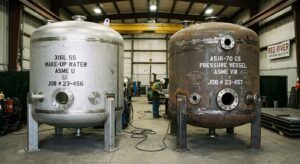
Which Materials Suit Make-Up Water Service?

How Big Should Make-Up Water Tanks Be?
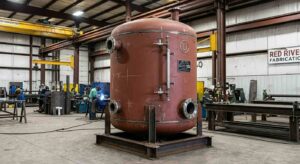
Make-Up Water Tanks: Design, Sizing, and Fabrication
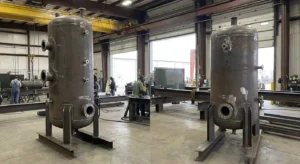
When to Spec Equalization Tanks for Industrial Systems
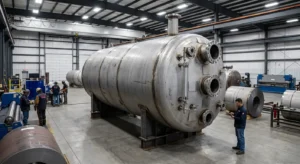
How Do Equalization Tanks Balance Flow?
About Author