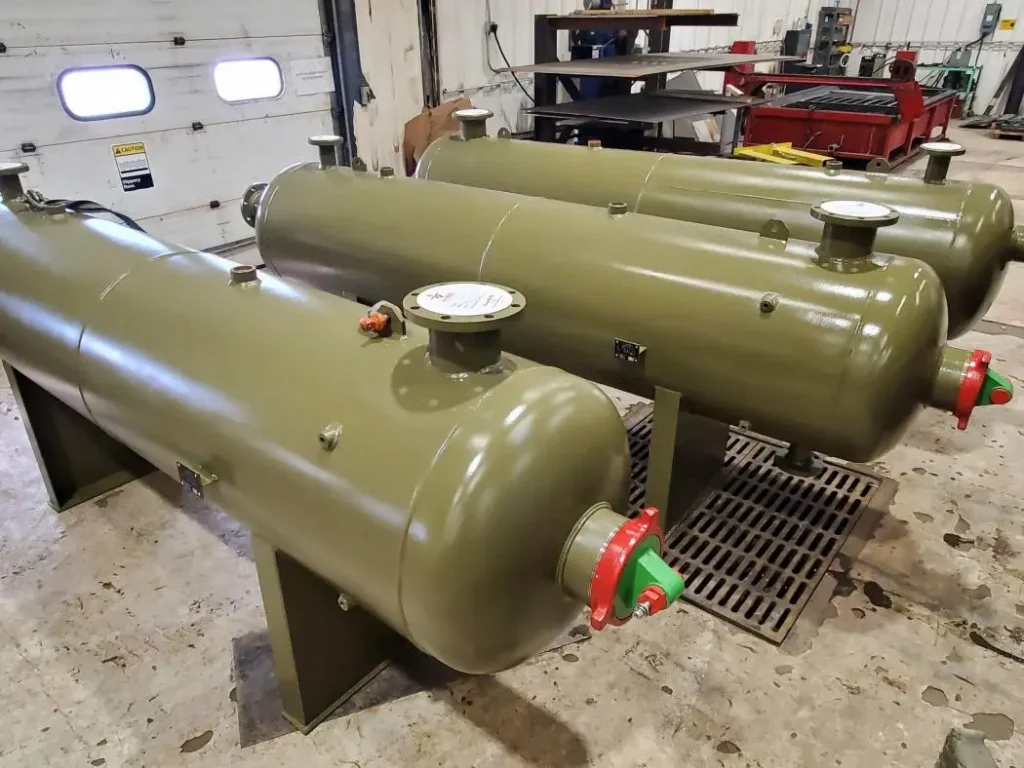
The mechanism of pressure vessels is the way in which a vessel is designed, constructed, and maintained to safely contain fluids under pressure. It involves material selection, structural design including shell, ends, nozzles and supports, and ongoing inspection and maintenance to ensure compliance with safety standards. Understanding the mechanism of pressure vessels helps prevent failures and supports effective operation throughout a vessel’s lifecycle. Professional partners such as RedRiver LLC bring deep expertise to help you manage this mechanism of pressure vessels with confidence.
Mechanism of Pressure Vessels
The mechanism of pressure vessels begins with how the vessel is engineered to hold gases or liquids under pressure and maintain performance over time. At its core the mechanism of pressure vessels covers structure, materials, design, fabrication, testing and operational monitoring.
The structure and parts involved in the mechanism of pressure vessels
The shell forms the primary containment boundary. It must resist internal pressure and external forces, so material selection and wall thickness are critical. The ends (or caps) act as closures that seal the vessel and experience concentrated stress near welds or joints. Nozzles enable fluid entry and exit while maintaining the vessel’s integrity. Supports keep the vessel stable through normal operations and in dynamic conditions. A safety kit—including relief valves, burst discs and pressure gauges, is the essential layer of protection ensuring the mechanism of pressure vessels functions safely.
Materials, shape and construction considerations
Material choice influences the mechanism of pressure vessels significantly: engineers typically use carbon steel, stainless steel or alloys because of their strength and resistance to corrosion. The wall thickness of the vessel correlates with internal pressure, so thicker walls usually improve safety but also increase cost and weight. The shape of a vessel matters too: spherical and cylindrical geometries distribute stress more evenly, which optimises the mechanism of pressure vessels and reduces risk of failure. Fabrication quality is central: welding must be high‑quality and certified, as defects compromise the mechanism of pressure vessels.
Pressure Vessel Inspection and Maintenance: a core part of the mechanism of pressure vessels
To keep the mechanism of pressure vessels reliable, inspection and maintenance are vital. Understanding pressure vessel inspection and maintenance supports compliance with industry standards and long‑term durability.
How do pressure vessels comply with safety regulations?
Compliance begins at design: the mechanism of pressure vessels must align with recognised Pressure Vessel Safety Standards and Compliance frameworks. Manufacturers and operators must understand what are the safety standards for pressure vessels that apply to their jurisdiction and industry. For example, the American Society of Mechanical Engineers (ASME) Boiler and Pressure Vessel Code offers a comprehensive set of rules for design, fabrication, inspection and testing. The safe design, installation, operation and maintenance of pressure vessels in accordance with proper codes reduces the risk of rupture or catastrophic failure. See additional safety insights at OSHA.
What is ASME code for pressure vessel safety?
The ASME BPVC (Boiler & Pressure Vessel Code) is an accepted global standard for many industrial applications. It sets out requirements for materials, design, fabrication, inspection and testing. In particular, ASME Section VIII describes rules for the construction of pressure vessels.
How often do pressure vessels need to be inspected?
The frequency of inspection depends on vessel type, age, operating conditions and regulatory region. The mechanism of pressure vessels demands routine checks to ensure integrity. Industry guidance points to periodic external and internal inspections, plus non‑destructive examinations such as ultrasonic or radiography to assess wall thinning or weld defects. Learn more about safety standards at RedRiver’s pressure vessel safety guide.
How to inspect a pressure vessel
An effective pressure vessel inspection checklist supports the mechanism of pressure vessels by systematically verifying key components. A checklist might include:
External visual check for cracks, corrosion, coating damage
Internal examination (if feasible) of welds, support attachments, internal corrosion
Nozzle and flange inspection for leak paths
Relief valve and safety device functional test
Ultrasonic or radiographic testing of welds and wall thickness
Verification of documentation and stamping including design code compliance
What to include in a pressure vessel inspection checklist
To reinforce the mechanism of pressure vessels through maintenance, the checklist should cover aspects such as :
Material traceability and certification
Weld quality and inspection records
Safety devices installed and tested (relief valves, burst discs)
Orientation and support integrity (supports, saddle or mounting connections)
Non‑destructive examination (ultrasonic, radiographic) to detect flaws not visible externally
Records of previous inspections, repairs, modifications
Labels or nameplate confirming code compliance and maximum allowable working pressure
Mechanism of Pressure Vessels: Standards, Testing and Maintenance
The mechanism of pressure vessels demands adherence to safety frameworks, consistent testing, and disciplined upkeep.
What are the safety standards for pressure vessels?
Pressure Vessel Safety Standards and Compliance refer to approved codes like ASME BPVC, codes from regulatory bodies and inspection requirements to ensure vessel safety. Compliance means the vessel has been designed, fabricated and maintained following prescribed technical rules. Agencies may reference these codes to monitor workplace safety in relation to pressure vessels.
Pressure Vessel Inspection and Maintenance
Inspection and maintenance ensure that the mechanism of pressure vessels stays effective. Without timely maintenance a vessel may degrade, its structural integrity may be compromised, and safety risks rise. Operators must schedule inspections, repair or replace worn or damaged parts, and maintain documentation of all actions.
How often do pressure vessels need to be inspected (again)
As noted, inspection frequency is based on many factors. The mechanism of pressure vessels demands that high‑pressure or critical service vessels may have more frequent inspections than low risk ones. Prioritising scheduled inspection and prompt maintenance will support long‑term safety and regulatory compliance.
Mechanism of Pressure Vessels
Ensuring the mechanism of pressure vessels is robust means designing vessels that match operational requirements, selecting appropriate materials and shapes, fabricating with quality control, and maintaining active inspection and maintenance regimes. For companies seeking full support, RedRiver LLC provides expert design, manufacturing, inspection support and documentation to help you satisfy safety standards and enhance reliability.
Ready to Advance Your Pressure Vessel Safety Strategy
If you are ready to strengthen your pressure vessel program and ensure the mechanism of pressure vessels in your operation meets top standards, contact RedRiver LLC. Our team brings deep experience in design, fabrication, inspection and ongoing maintenance to help you achieve compliance, enhance reliability and protect your assets.
FAQs
What is the difference between a pressure vessel and how it works?
A pressure vessel is a container designed to hold liquids or gases at a pressure different from ambient. The mechanism of pressure vessels refers to how that container is engineered, fabricated, inspected and maintained so it safely fulfills its purpose without failure.
Why are safety standards critical in the mechanism of pressure vessels?
Safety standards define the rules for design, material selection, testing and inspection. They guarantee that the mechanism of pressure vessels includes every safeguard needed to prevent collapse, rupture or leak and protect personnel, assets and environment.
How do you choose the correct material for a pressure vessel?
Material selection hinges on operating pressure, temperature, fluid type (corrosive or not), and regulatory code. The mechanism of pressure vessels is improved when materials are strong, resist corrosion and are compatible with accordance to codes such as ASME BPVC.
Can a vessel be custom‑designed under the mechanism of pressure vessels framework?
Yes. Custom design means the mechanism of pressure vessels is tailored for unique pressures, temperatures, geometries or materials. Manufacturers like RedRiver LLC specialise in such bespoke solutions and ensure full compliance with standards.
What happens if you skip regular inspection or maintenance?
If you skip regular inspection or maintenance the mechanism of pressure vessels becomes compromised. Over time issues like corrosion, weld defects, fatigue or untested relief devices may cause leaks, ruptures or complete failure — an outcome that safety standards aim to prevent.
What is the “U” stamp and why does it matter in the mechanism of pressure vessels?
The “U” stamp is a mark from ASME certification that indicates a pressure vessel meets the design, fabrication and inspection rules of the ASME BPVC. In the mechanism of pressure vessels, that stamp serves as proof of compliance and quality.
What role do non‑destructive tests play in the mechanism of pressure vessels?
Non‑destructive tests such as ultrasonic, radiography or magnetic particle inspection detect internal flaws or wall thinning without damaging the vessel. These tests are essential to verifying the mechanism of pressure vessels remains intact between major inspections.
Key Takeaways
- The mechanism of pressure vessels spans design, materials, fabrication, inspection and maintenance.
- Compliance with recognized safety standards like ASME BPVC and maintained inspection regimes is vital for safe operation.
- A tailored inspection checklist and disciplined maintenance keep the mechanism of pressure vessels effective.
- Partnering with experienced professionals such as RedRiver LLC enhances reliability, compliance and long‑term performance.
- Planned inspection and maintenance prevent failures and extend asset life.
Related Blog Post
Condensate Tanks: Types, Fabrication, and ASME Code
Which Tests Validate Deaeration in Pressure Systems?
Equalization Tanks: Design, Sizing, and Fabrication
What Are Thermal Storage Testing Standards for TES Vessels?
What Hydro Tests Are Required for Pressure Vessels?
No subpillar set for this blog post.
About Author