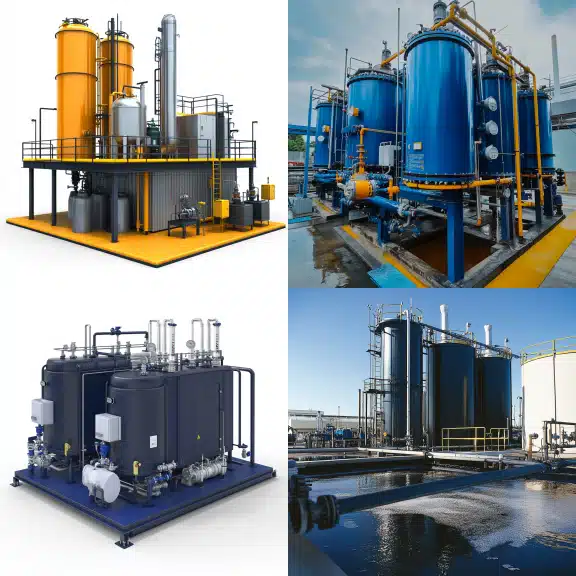
A filter oil separator removes fine oil particles and solids from contaminated water using advanced filtration unlike traditional gravity-based oil-water separators. It’s ideal for industries needing high-efficiency water discharge and strict environmental compliance. Common issues include high maintenance needs, inefficiency in high-flow systems, and challenges in removing tiny oil droplets. Solutions include upgraded filter technologies, routine maintenance, and choosing the right system for your application. Red River offers tailored pressure vessel solutions to meet compliance and performance goals.
What is a Filter Oil Separator? How They Work & Common Challenges
A filter oil separator is a specialized system designed to remove oil and other contaminants from water using advanced filtration methods. These systems are used in a variety of industrial applications, from oil and gas to manufacturing, ensuring cleaner water discharge and environmental compliance. While often referred to simply as oil-water separators, filter oil separators differ in that they incorporate a dedicated filter element to capture smaller oil droplets and solid debris, improving performance and compliance. However, like any technology, they have limitations and drawbacks.
How a Filter Oil Separator Differs from a Standard Oil-Water Separator
Filter oil separators combine mechanical separation with filtration, allowing them to remove finer oil particles that traditional separators often miss. They are especially valuable in industries with strict water quality requirements, where even trace oil contamination can cause compliance issues. While traditional separators rely mostly on gravity separation, filter oil separators enhance this process with filter media, coalescing plates, or membranes for improved efficiency. Learn more about how oil and gas separators work in complex industrial settings.
Common Applications of Oil Water Separators
Oil water separators can be found in both large-scale industrial plants and small commercial spaces. They play an important role in wastewater treatment, stormwater management, and oil spill cleanups. Effective oil-water separation is not just about compliance with environmental regulations; it’s also crucial for operational efficiency and safety. Poorly performing oil-water separators can be highly inefficient, leading to increased operational costs and potential non-compliance with strict environmental laws.
At Red River, we recognize the critical role these systems play and the need for them to be reliable and efficient. That’s why we offer customized pressure vessel solutions tailored to your specific requirements, ensuring your operations continue smoothly and in compliance. For more on separator efficiency, see our guide on separator efficiency for better operations.
Primary Oil Water Separators Disadvantages
While oil-water separators are vital in many applications, they do have their weaknesses that can degrade performance and overall profitability.
Inability to Remove Small Oil Particles
One of the main weaknesses in traditional oil-water separators is their poor performance in removing smaller oil droplets. Many older systems fail to filter out tiny oil particles. In contrast, filter oil separators are designed with filtration components such as coalescing filters that capture particles as small as a few microns. This improves compliance and reduces the risk of environmental violations.
High Maintenance and Operational Costs
Oil-water separators are expensive to maintain and operate. Regular cleaning, filter replacement, and system checks are required to keep them running efficiently. Over time, these costs add up, reducing the overall cost-effectiveness for businesses looking to maximize ROI. Discover the importance of maintenance for pressure vessels and how it translates to separator performance.
Poor Performance in High-Flow Environments
Oil-water separators often struggle in high-flow environments, where large volumes of water can overwhelm the system, reducing efficiency or even leading to system failure. This is a major concern for industries that need to process large quantities of water in short periods. Understanding two-phase fluid dynamics can help optimize high-flow separation processes.
Environmental Impact and Compliance Challenges
Oil-water separators must comply with stringent environmental regulations. However, when they fail to remove contaminants effectively, they pose compliance issues and environmental hazards, which can lead to significant fines and damage to a company’s reputation.
Alternatives and Solutions to Overcome These Disadvantages
Addressing the drawbacks of oil-water separators requires a thoughtful approach, exploring alternatives, and optimizing existing systems for improved efficiency and compliance.
Advanced Filtration Technologies as an Alternative
Advanced filtration technologies, such as those used in filter oil separators, offer a viable solution to the limitations of traditional separators. These systems are engineered to capture the smaller oil particles that standard gravity-based separators often miss. By integrating coalescing filters, membrane technology, or cartridge filters, filter oil separators deliver cleaner water discharge and lower environmental risk. For further insight, see our guide on oil separation technology.
Regular Maintenance for Better Efficiency
The most reliable way to enhance the efficiency of oil-water separators is through regular maintenance. Implementing a maintenance schedule that includes frequent inspections, timely filter replacements, and thorough system cleaning can prevent the buildup of oil and debris that reduces performance. This approach extends the life of the separators and minimizes unexpected downtime. You can learn about post-weld heat treatment and its role in long-term vessel performance.
Choosing the Right Separation System
Selecting the appropriate separation system depends on factors such as the volume of water being treated, the concentration of oil contaminants, and specific environmental regulations. A well-designed system tailored to the specific operation can improve performance, reduce maintenance costs, and enhance efficiency. See our guide on comprehensive pressure vessel design parameters for insights on system customization.
Final Thoughts on Choosing the Right Filter Oil Separator
When it comes to managing oil-contaminated water, selecting the right filter oil separator can make all the difference. While traditional oil-water separators are effective for larger particles, the filtration stage in a filter oil separator ensures finer contaminants are removed, helping you maintain compliance, reduce downtime, and extend system lifespan. Whether you operate in manufacturing, oil and gas, or wastewater treatment, investing in a high-quality filter oil separator is a proactive step toward operational efficiency and environmental responsibility.
Partner with Red River for Reliable Oil-Water Separation Solutions
Ensure your operations run efficiently and stay compliant with Red River’s custom-designed pressure vessel solutions. From filter oil separators to prefabricated spools and skid packages, we deliver systems built for performance, durability, and environmental responsibility.
Contact Red River today to explore solutions tailored to your operation and experience the Red River difference where American craftsmanship and values drive reliability.
Frequently Asked Questions
1. What industries commonly use oil-water separators, and why is this important?
Oil-water separators are widely used in industries where oil contamination of water is a critical issue. Common industries include oil and gas, manufacturing, marine, automotive, and wastewater treatment facilities. These separators are essential because they prevent oil from entering water systems, which could cause environmental disasters and legal violations. Proper use of separators helps companies avoid fines, protect natural water resources, and maintain a safe working environment.
2. How do oil water separators work, and what are their main components?
Oil-water separators operate on the principle of gravity separation. However, filter oil separators add a critical filtration stage. Since oil is lighter than water, it rises to the surface, but the filter captures the smallest oil particles before the water is discharged or further treated. Major components of a filter oil separator include the inlet chamber, separation chamber, filter element, and outlet chamber.
3. What are the limitations of oil-water separators in cold climates?
Oil-water separators face specific challenges in cold climates. Oil becomes more viscous at low temperatures, making it harder to separate from water. Freezing temperatures can also solidify any water in the system, potentially causing damage or reducing efficiency. To address these issues, industries operating in cold environments often use heated separators or insulate the system to maintain optimal operating temperatures. Regular monitoring is also crucial to ensure the system functions effectively under harsh conditions.
4. Are there environmental concerns associated with disposing of separated oil?
Yes, there are significant environmental concerns associated with disposing of separated oil. Once oil is separated from water, it must be treated and disposed of according to local, state, and federal regulations. Improper disposal can lead to soil and water contamination, harming ecosystems and potentially resulting in legal consequences for the responsible company. It is essential to use licensed waste disposal services that adhere to strict standards for safe and environmentally responsible disposal of separated oil.
5. How can I determine the right type of oil-water separator for my operation?
Selecting the appropriate oil water separator depends on factors such as the volume of water to be treated, the type and concentration of oil contaminants, and the specific regulatory requirements your operation must meet. Conducting a thorough wastewater characterization analysis, possibly with professional guidance, is crucial for making an informed decision. Additionally, consider long-term maintenance and operational costs when choosing a separator, as these factors significantly impact the system’s overall cost-effectiveness.
6. What is the role of the filter in a filter oil separator?
In a filter oil separator, the filter element is the key to removing fine oil droplets and solid contaminants that standard separators cannot capture. This improves separation efficiency, reduces maintenance, and ensures compliance with strict discharge standards.
Key Takeaways
- Filter oil separators outperform standard oil-water systems by removing finer oil droplets using advanced filtration.
- Traditional separators struggle with small particles, high flow rates, and compliance in regulated environments.
- Maintenance is critical regular filter changes and inspections prevent performance drops and downtime.
- Choosing the right system based on flow rate, contamination level, and compliance needs ensures long-term success.
- Red River designs custom pressure vessel solutions that enhance oil-water separation efficiency and meet environmental standards.
Related Blog Post
Condensate Tanks: Types, Fabrication, and ASME Code
Which Tests Validate Deaeration in Pressure Systems?
Equalization Tanks: Design, Sizing, and Fabrication
What Are Thermal Storage Testing Standards for TES Vessels?
What Hydro Tests Are Required for Pressure Vessels?
No subpillar set for this blog post.
About Author